
By Dr Aung Tun
DUE to the rapid changes and stresses of modern life, mental health problems are on the rise in Myanmar. What was previously called “being down” or “low spirits” has now evolved into the more profound condition of Depression, a health issue that threatens everyone. This article will detail what Depression is, its symptoms, causes, treatment, and, most importantly, prevention methods.
What is Depression?
Depression is a severe mental health disorder that affects the mind and body. It is more intense than ordinary sadness or low spirits and can hinder a person from carrying out normal daily activities. Symptoms persist for at least two weeks and impact mood, thoughts, and physical functions.
The key point to understand is that Depression is not a sign of mental weakness or a personality flaw. It is a treatable medical illness related to an imbalance of chemical substances (Neurotransmitters) in the brain and changes in the brain’s growth and connectivity patterns.
Global and Myanmar Prevalence
• Global Situation:
* According to the World Health Organization (WHO), approximately 332 million people, including about 5 per cent of adults worldwide, suffer from depression, making it one of the leading causes of disability.
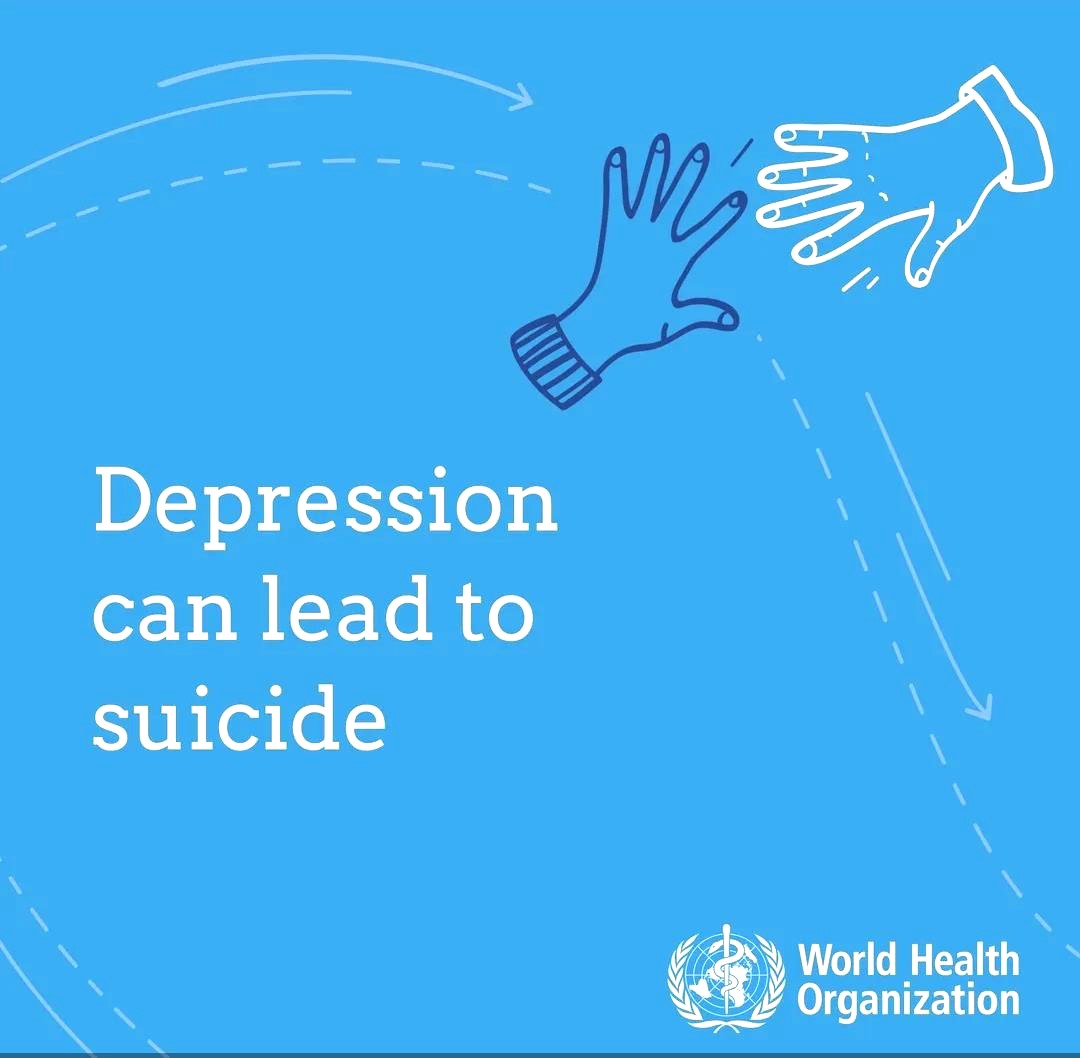
* More than 700,000 people commit suicide annually due to depression.
* Depression is about 1.5 times more common in women than in men. Globally, over 10 per cent of pregnant women and women who have recently given birth suffer from depression.
• Myanmar Situation:
Depression has become a significant health burden in Myanmar. The number of people suffering from depression has significantly increased due to social and economic instability, the lingering effects of the COVID-19 pandemic, conflict and quakes.
* According to Myanmar’s 2016 GSHS Survey, mental health problems exist among students aged 13–17.
* Feelings of Harm: Approximately 10.5 per cent of surveyed students reported having attempted to harm or kill themselves in the past 12 months.
* Loneliness: Approximately 11.3 per cent of students reported feeling lonely or secluded in the past 12 months.
* Anxiety: Approximately 6.6 per cent of students reported having their normal sleep disrupted at night due to worry or anxiety in the past 12 months.
* These data indicate alarming mental health conditions among adolescents in Myanmar.
* However, due to limited mental health treatment services and the existence of stigma surrounding mental illness in the community, very few people seek treatment.
How to Recognize Depression
The symptoms of depression manifest as psychological, physical, and behavioural changes.
Psychological Symptoms:
* Feeling sad, hopeless, or low-spirited on a daily basis.
* Loss of interest in previously enjoyable activities.
* Feelings of guilt or worthlessness.
* Increased worry and anxiety.
* Difficulty concentrating or making decisions.
* Thoughts of self-harm or suicide (A very critical symptom).
Physical Symptoms:
* Feeling low on energy, easy fatigue.
* Changes in sleep patterns (insomnia or excessive sleeping).
* Changes in appetite (loss of appetite, weight loss, or overeating, weight gain).
* Physical pain such as headaches or body aches.
* Decreased libido.
Behavioral Symptoms:
* Social withdrawal or isolation.
* Decline in work or academic performance.
* Neglecting self-care.
* Irritability and restlessness.
Why Does Depression Occur?
Depression is not caused by a single factor but often arises from a combination of biological, psychological, and socio-environmental factors.
• Biological Causes:
* Brain Chemistry: Imbalances in neurotransmitters such as Serotonin, Norepinephrine, and Dopamine.
* Hormones: Thyroid hormone imbalances; hormonal changes during pregnancy and the postpartum period.
* Genetics: A higher risk for those with a family history of depression.
• Psychological and Socio-Environmental Causes:
* Childhood Experiences: Neglect, abuse, or parental loss in childhood.
* Adverse Life Events: Traumatic experiences such as grief (loss), the loss of a loved one, financial difficulties, job loss, or marital problems.
* Chronic Illnesses: Increased stress due to illnesses like cancer, heart disease, or diabetes.
* Medication and Substance Abuse: Side effects of certain medications, or the use of alcohol and illicit drugs, can contribute to depression.
Types of Depression
Based on the severity and pattern of the illness, depression is primarily classified into the following types:
* Major Depressive Disorder (MDD): The most severe and common type. Characterized by a full set of symptoms lasting for at least two consecutive weeks, significantly impairing daily functioning.
* Persistent Depressive Disorder (PDD): A less severe or moderate form of depression that lasts for at least two years.
* Psychotic Depression: Includes symptoms such as hallucinations or delusions.
* Depressive Episode of Bipolar Mood Disorder: Alternating periods of mania and depression.
* Peripartum Depression: Occurs during pregnancy and up to the first year after childbirth (Requires special attention for maternal health).
* Seasonal Affective Disorder (SAD): Depression that specifically occurs during the winter months with less daylight exposure.
* Disruptive Mood Dysregulation Disorder: A type of depression in children and adolescents characterized by severe irritability and frequent angry outbursts.
How is Depression Diagnosed?
Depression cannot be directly identified by physical tests (eg, blood tests). The diagnosis involves the following steps:
* Medical History Interview: The doctor will ask detailed questions about your symptoms, feelings, family history, current medications, and life experiences.
* Psychological Assessment: Standardized mental health questionnaires (eg, PHQ-9) may be used to assess the severity of symptoms.
* Physical Examination: Blood tests, etc., may be performed to rule out other medical conditions (eg, thyroid disease, vitamin deficiency) that could cause depressive symptoms.
The diagnosis requires at least five symptoms, present for at least two consecutive weeks, according to the DSM-5 (Diagnostic and Statistical Manual of Mental Disorders) criteria. These symptoms must include either “sadness/depressed mood” or “loss of interest/pleasure.”
What are the Complications of Depression?
If left untreated, depression can severely affect all areas of life:
* Personal and Family Life: Marital problems, family conflicts, and negative impact on children’s mental health.
* Work and Financial: Reduced work capacity, job loss, and financial difficulties.
* Health: Worsening of chronic diseases like heart disease and diabetes, and a weakened immune system.
* Social: Breakdown of friendships, social isolation.
* Self-Harm: Increased suicidal ideation and acts of self-harm (leading to loss of life).
It is crucial to be aware that depression is a life-threatening illness.
How Can Depression Be Treated?
Depression is a treatable illness. There are several treatment methods, and a combination approach is often needed depending on the patient’s condition.
• Psychotherapy:
* Cognitive Behavioural Therapy (CBT): Focuses on changing the thinking patterns that contribute to depression.
* Interpersonal Therapy (IPT): Focuses on resolving social and relationship problems.
• Medication:
* Antidepressants: Types such as SSRIs (Selective Serotonin Reuptake Inhibitors) and SNRIs (Serotonin and Norepinephrine Reuptake Inhibitors) must be taken as prescribed by a doctor. The medication may take several weeks to show effect and must only be stopped after consultation with the doctor.
• Other Therapies:
* Electroconvulsive Therapy (ECT): An effective treatment for severe depression; conducted safely and systematically in modern practice.
* Exercise: Regular physical activity promotes the release of mood-boosting chemicals in the brain.
* Nutrition: Consuming foods rich in Omega-3 fatty acids, Vitamin B, and Vitamin D.
How to Prevent Depression
Prevention is more effective than treatment. Depression can be prevented through the following methods:
* Improve Social Relationships: Maintain strong connections with family and friends. Avoid loneliness.
* Manage Stress: Practice yoga, meditation, and breathing exercises.
* Regular Physical Activity: Engage in at least 30 minutes of exercise, such as walking, daily.
* Healthy Sleep Pattern: Get 7-9 hours of sleep per night.
* Consume Nutritious Foods: Eat a balanced diet of fruits, vegetables, and protein.
* Avoid Alcohol and Illicit Drugs: These can worsen depression.
* Schedule Rest Time: Set aside time for self-care and enjoyable activities.
* Don’t Hesitate to Ask for Help: Consult a mental health professional if you have experienced traumatic events.
Act Early to Overcome the Danger of Depression
Depression is an illness that can affect anyone; it is not a cause for shame or fear. If you or someone close to you suspects they have symptoms of depression, follow the steps below to overcome this danger:
* Immediately see nearby healthcare professionals or a mental health doctor. Early treatment can prevent complications and lead to a return to a happy and fulfilling life.
If you are personally experiencing it:
* Share your feelings with someone you trust. This method will benefit you.
* Continue engaging in enjoyable activities from your routine to distract yourself.
* Connect with friends and family members.
* Take a short walk or engage in regular physical activity.
* Try your best to maintain regular sleeping and eating patterns.
* Do not use alcohol or illicit drugs. They can worsen depression.
* If you feel suicidal, contact someone you trust and seek emergency help.
References
1. World Health Organization. (2017). Depression and Other Common Mental Disorders: Global Health Estimates.
2. American Psychiatric Association. (2013). Diagnostic and Statistical Manual of Mental Disorders, Fifth Edition (DSM-5®).
3. Ministry of Health and Sports, Myanmar. (2019). National Mental Health Strategy 2019-2023.
4. National Institute of Mental Health (NIMH). (2022). Depression.
5. World Health Organization. (2020). Psychological First Aid: Guide for Field Workers.
6. Myanmar Medical Council. (2021). Continuing Medical Education Materials on Psychiatry.
7. Global School-based Student Health Survey (GSHS). (2017). Myanmar 2016 GSHS Fact Sheet.
8. Journal of the American Academy of Child & Adolescent Psychiatry. (2019). Global Prevalence of Depressive and Anxiety Symptoms in Children and Adolescents: A Meta-analysis.