
By Mingalajii
Introduction – Colouring the Invisible
In the architecture of language, verbs give us motion, and nouns provide form. But it is adjectives — the often-unheralded modifiers — that offer texture to thought and sensation. They do not merely describe; they distil. They allow the poet to render the ineffable visible, to tint silence with suggestion and shape feeling into form.
Where a noun may tell us there is a “tree”, an adjective may whisper that it is “withered”, “verdant”, or “solemn”. Thus, the tree becomes more than a plant — it becomes a memory, a metaphor, a mood. In poetic writing, this transformation is neither incidental nor excessive. It is central to how we experience verse not just with the mind, but with the body.
In my earlier reflections on verbs and nouns, I considered how energy and substance weave meaning. Now, I turn to the filament of description — the adjective — which threads light and shadow into the poetic line. Drawing from Burmese and English poetry, from the verdant hues of Min Thu Wun’s rural scenes to the dusky cadence of Frost’s woods, I explore how adjectives animate stillness and speak where other words pause.
In what follows, we’ll look closely at how adjectives become poetic agents — emotional, symbolic, and sensory. Their power lies not in flamboyance, but in evocation. As Yeats once wrote of the heart “fastened to a dying animal”, so too are adjectives often tethered to nouns not to decorate, but to reveal.
From Reflection to Resonance
Across literary cultures, poets have long used adjectives not merely as embellishments but as vital threads in the fabric of their imagery. Whether evoking the velvet hush of a Burmese field hut or the stark quiet of a snow-covered forest, these descriptive words serve as portals into memory, emotion, and atmosphere.
What follows is a selection of verses from both Burmese and English traditions, where adjectives function not as decorative language but as emotional evidence. In the hands of poets like Min Thu Wun and Zawgyi, Robert Frost and WB Yeats, the adjective becomes an instrument, light as a breath, yet potent enough to stir the soul.
Adjectives as Carriers of Mood and Memory: A Cross-Cultural Glimpse
In poetry, adjectives are not mere descriptors — they are emotional cues, tonal anchors, and sometimes, philosophical gestures. Whether in Burmese or English verse, they shape the reader’s inner weather.
Min Thu Wun _ “လယ်စောင့်တဲလေး" (The Little Field Hut)
In this pastoral gem, Min Thu Wun evokes a scene of rural stillness:
“ကြာနီတပွင့် ဖြူတပွင့် တဲနှင့် ပနံတင့်” One crimson lotus, one white-beside the hut, still and fragrant.
The adjectives "crimson" and "white" do more than describe colour-they suggest balance, purity, and quiet contrast. The hut is "still", the air "fragrant" - each adjective deepens the sensory and emotional register. In Mya Zin's English rendering, the adjectives retain their lyrical softness, preserving the poem's meditative tone.
လယ်စောင့်တဲ
မိုးရေတက်ရေ တဖွေးဖွေး
ကွင်းကျယ် အဝေးဝေး။
လယ်စောင့်တဲ လေး ခြေတံ ရှည်
မိုးကုပ် အောက်မှာတည်။
ကြာနီ တပွင့် ဖြူ တပွင့်
တဲ နဲ့ ပနံ တင့်။
မင်းသုဝဏ်
The Field Watch Hut
(A contextual English rendering inspired by Sayagyi Min Thu Wun’s “လယ်စောင့်တဲ”)
Translated in the spirit of Sayagyi Mya Zin
Floodwaters rise
Soft, unhurried,
Beyond the boundless paddy plain,
A tall, lone figure
Stands beneath the sky’s grey curtain.
There
A single red lotus,
A single white
Beside the stillness of a thatched hut,
Where time forgets to move.
Zawgyi – “ပန်းပန်လျက်ဘဲ” (Still Wearing a Flower)
Zawgyi’s poem, translated by Win Pe (Mya Zin), is a quiet meditation on memory and time:
“Still wearing a flower, though the season has passed…”
The adjective “still” is temporal and emotional — it suggests persistence, quiet defiance, and the ache of remembrance. Depending on the translation, adjectives like “wilted”, “faint”, or “lingering” may appear, each adding a layer of melancholy or resilience. These are not decorative — they are the poem’s emotional architecture.
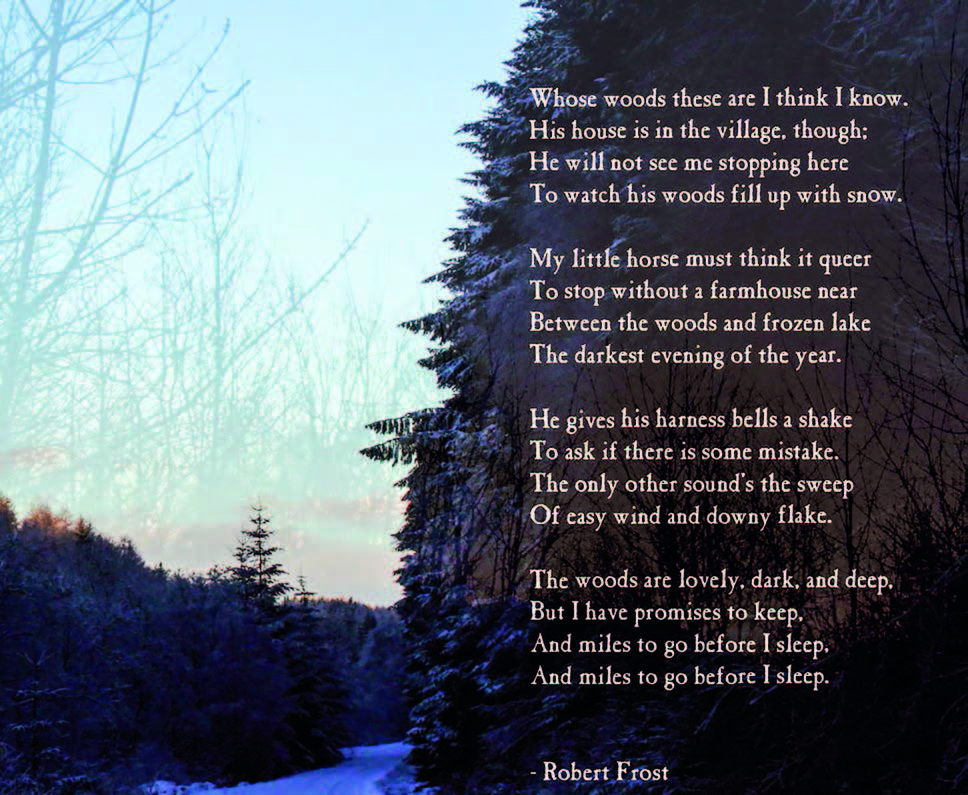
Robert Frost – “Stopping by Woods on a Snowy Evening”
“The woods are lovely, dark and deep…”
Three adjectives — lovely, dark, deep — build a psychological landscape. They are simple, yet they conjure allure, mystery, and a quiet foreboding. In Burmese, one might render this as:
“သစ်တောသည် လှပပြီး မှောင်မိုက်၍ နက်ရှိုင်းသည်…”
Each word carries weight, and the repetition of the structure mirrors the poem’s hypnotic rhythm.
WB Yeats – “The Lake Isle of Innisfree”
“And evening full of the linnet’s wings.”
Here, the adjective “full” is expansive — it transforms a moment into a mood. Elsewhere, Yeats uses “purple glow”, “bee-loud glade”, and “peace comes dropping slow”. These adjectives are not just visual — they are meditative, spiritual. A Burmese rendering might be:
“ညနေသည် လင်းနက်ငှက်တောင်ပံများဖြင့် ပြည့်နေသည်…”
The adjective “ပြည့်” (full) conveys abundance, immersion, and a kind of sacred stillness.
Adjectives in Contemporary Poetics: The Bruised and the Beautiful
If classical poetry used adjectives to mirror nature or distil emotion, contemporary poets often bend them to interrogate identity, memory, and loss. The modern modifier is not always lyrical — it can be fractured, ironic, or laden with resistance.
Zeyar Lynn – “My History Is Not Mine”
In Zeyar Lynn’s razor-sharp verse from Bones Will Crow, adjectives appear with precise, political tension:
“...a crooked chronology, a borrowed tongue, a bruised alphabet…”
Here, the adjectives crooked, borrowed, and bruised evoke colonial residue, linguistic trauma, and cultural displacement. The nouns alone – chronology, tongue, alphabet — are neutral. It is the adjectives that turn them into protest and lament.
Rendered in Burmese, the emotional texture remains raw:
“အကွေ့အကောက်ဖြစ်သော အချိန်ဇယား၊ ချေးယူထားသော ဘာသာစကား၊ ထိခိုက်နာကျင်သော အက္ခရာ…”
These are not merely descriptive — they are declarative. The adjectives don’t serve the noun; they challenge it.
Ocean Vuong – “Aubade with Burning City”
In Ocean Vuong’s Night Sky with Exit Wounds, adjectives shimmer through a fog of grief and sensuality. In one verse:
“milkflower petals on the street/like pieces of a girl’s dress.”
The adjective milkflower is delicate, even beautiful. Yet, paired with the image of a girl’s dress scattered on the street, it becomes ghostly and foreboding. Vuong often uses adjectives such as burning, cracked, or tender to create an atmosphere where love and war cohabitate.
Transposed into Burmese:
“နို့ပန်းရွှင်ပွင့်များ လမ်းပေါ်တွင် ကျဲကျဲပျံ့ပျံ့ဖြစ်နေသည်၊ မိန်းကလေး အင်္ကျီ တစ်စိတ် တစ်ပိုင်းကဲ့သို့…”
In this line, adjectives work in counterpoint – one softens, the other unravels.
Towards a Living Language of Description
From Zawgyi’s wistful florals to Vuong’s fractured tenderness, adjectives in poetry continue to evolve – not as static descriptors, but as dynamic vessels of emotion, critique, and imagination. They can hush, bloom, scald, or mourn – often within the same stanza. In a time of linguistic precision and emotional saturation, they remain necessary tools of nuance.
In returning to the adjective, we rediscover not just how poets see, but how they feel, grieve, remember, and resist. Adjectives colour the invisible, indeed, but also illuminate what has been hidden, forgotten, or unspoken.
Feature Journalism and the Emotional Weight of Adjectives
Even in journalism, where clarity and objectivity are paramount, the feature story allows language to breathe. Here, adjectives are not indulgences; they are instruments of empathy. They help the reader not only know but also feel the story.
In NBC News’ immersive feature on the legacy of redlining in Detroit, the language is as textured as the neighbourhoods it describes:
“...a crumbling neighbourhood of boarded-up homes and overgrown lots, where hope feels as brittle as the paint peeling from the walls.”
The adjectives — crumbling, boarded-up, overgrown, brittle, peeling — do more than set a scene. They carry the emotional residue of decades of neglect. These words do not editorialize; they humanize. They allow the reader to enter the story not as a spectator, but as a witness.
In Burmese, such a passage might be rendered:
“ပြိုကွဲနေသောအိမ်များ၊ တံခါးပိတ်ထားသော အိမ်များနှင့် မြက်ပင်များဖြင့် ဖုံးလွှမ်းနေသောလမ်းများ၊ မျှော်လင့်ချက်သည် နံရံပေါ်မှ ကွေကွင်းကျနေသော ဆေးအလွှာကဲ့သို့ ချိုးဖောက်လွယ်လွယ်ဖြစ်နေသည်…”
This is not the language of hard news; it is the language of lived experience. And it reminds us that adjectives, when used with care, can bridge the gap between fact and feeling.
Lastly, and by no means least, I wish to conclude with a poem and its translation, as published in The Global New Light of Myanmar on 22 May 2016.
Peace (Composed by Myoma Nyein)
Peace is always like honey
That never leaves its taste of sweetness
Whether from the beehive
Of a neem tree or that of a mango tree,
Promising joys and smiles
To all mankind of this world forever.
Take preventive measures
Against the outbreak of the Flames of War.
Stop the Flames of War
So horrible, so disgusting.
Come, bring your pots, big or small,
Even cup your hands and do your bit,
In harmony and synchrony, splash
The cool Water of Peace.
Wishing all our people in this world,
Regardless of friend or foe,
To be apprehensive of the Flaming War
To stop this Common Enemy,
Perceiving that the amassed traditions and our
cultures,
Our quaint customs and noble values
Would be demolished by the war.
Love of peace brings
Happy homes and pervading joys.
Yes, Peace is always like honey.
(Translated by Zaw Tun)
ငြိမ်းချမ်းရေး (မြို့မငြိမ်း)
ငြိမ်းချမ်းရေးသည် ပျားရည်ကဲ့သို့ပင် အစဉ်
တမာပင် သရက်ပင် ဘာပင်ခွဲခွဲ ချိုမြဲအရသာ
မစွန့်သည်သာပင်
ကမ္ဘာသားလူအများ မျက်နှာထားချိုကြည်
ပျော်စေသည် ထာဝစဉ်
စစ်ရန်မီးကွင်းရှောင် မလောင်မီကြိုတင်။
ရွံစရာ မုန်းစရာ စစ်ရန်မီး တားဆီးဖို့တတွင်
အိုးကြီးအိုးငယ် သယ်ဆောင်ကာယူငင်
လက်ခုပ်နဲ့ပဲဖြစ်စေ ကိုယ်တိုင်ပါဝင်
ဖျန်းပက်ကြကိုယ်စီ ညီညီပင်
ငြိမ်းချမ်းရေး အေးမြသောရေစင်
ကမ္ဘာ့လူသားတွေတွေးပူကြိုတင်
ရန်သူမိတ်ဆွေမရွေး သူငါပင်
ရန်စစ်မီးကို မလောင်စေချင်
စုဆောင်းခဲ့သော ယဉ်ကျေးမှုအဆက်အစဉ်
အနုအယဉ် အမွန်အမြတ်တွေသုဉ်းဆိတ်မှာမြင်
ငြိမ်းချမ်းရေးမြတ်နိုး အိုးအိမ်သာယာ သူငါပျော်ရွှင်
ငြိမ်းချမ်းရေးသည် ပျားရည်ကဲ့သို့ပင် အစဉ်။
(စာပေဗိမာန်ထုတ် ဘာသာပြန်စာပေစာတမ်းများ ပထမတွဲမှ)