
By AUGUSTIN
PROVERBS and sayings are crucial to understanding and preserving a culture because they reflect shared values, beliefs, and wisdom passed down through generations.
ဝါဆို ဝါခေါင် ရေဖောင်ဖောင်
Waso and Wakhaung months bring severe flooding issues
“ဝါဆို ဝါခေါင် ရေဖောင်ဖောင်” ဆိုတဲ့ ဆိုရိုးစကားက တကယ်ကို မိုးရာသီရဲ့ အထွတ်အထိပ်အချိန်ကို ဖော်ပြတာပါ။ မြန်မာတို့ရဲ့ ၁၂ လရာသီထဲက ဝါဆိုလ (ဇွန်လလယ်ကနေ ဇူလိုင်လလယ်) နဲ့ ဝါခေါင်လ (ဇူလိုင်လလယ်ကနေ သြဂုတ်လလယ်) ဆိုတဲ့ ဒီနှစ်လတာ ကာလဟာ မိုးအသည်းဆုံးအချိန်ပေါ့။ မိုးတွေက သည်းသည်းမည်းမည်း ရွာချလိုက်တော့ မြစ်ချောင်းတွေ၊ အင်းအိုင်တွေတင်မကဘဲ နေရာတိုင်းမှာ ရေတွေက ပြည့်လျှံနေတာကို ရိုးရိုးရှင်းရှင်းနဲ့ မြင်သာအောင် ပြောပြထားတာပါ။ တကယ်တော့ ဒီဆိုရိုးစကားဟာ ဒီကာလမှာ ရေတွေများတတ်တယ်ဆိုတာကို သတိပေးတဲ့သဘောလည်း ပါပါတယ်။ ဥပမာ- ခရီးသွားလာရေးအတွက် ကြိုတင်ပြင်ဆင်ဖို့၊ လယ်သမားတွေအတွက် စိုက်ပျိုးချိန်ကို သိစေဖို့စသဖြင့် သဘာဝပတ်ဝန်းကျင်နဲ့ လူမှုဘဝကို ဆက်စပ်ပြီးဖော်ပြတဲ့ အဖိုးတန်တဲ့ စကားပုံတစ်ခုပါပဲ။
“ဝါဆို ဝါခေါင် ရေဖောင်ဖောင်” ဆိုတဲ့ ဆိုရိုးစကားဟာ ရာသီဥတုကို ရိုးရှင်းစွာဖော်ပြရုံသက်သက်မဟုတ်ဘဲ သဘာဝပတ်ဝန်းကျင်နဲ့ လူမှုဘဝကြားက ခိုင်မာတဲ့ဆက်စပ်မှုကိုပါ တိတိကျကျ ပြသနေပါတယ်။
ပထမဆုံးအနေနဲ့ ခရီးသွားလာရေးကိုကြည့်မယ်ဆိုရင် ဒီနှစ်လတာကာလအတွင်း မိုးကြီးရေလျှံမှုတွေကြောင့် လမ်းတွေပျက်စီးတာ၊ ရေကြီးတာမျိုးတွေဖြစ်နိုင်တာကို သိနိုင်ပါတယ်။ ဒါကြောင့် ခရီးသွားလာတော့မယ်ဆိုရင် ဘယ်လိုခရီးစဉ်မျိုးကို စီစဉ်ရမလဲ၊ လမ်းခရီးမှာ ဘယ်လိုအခက်အခဲတွေ ကြုံတွေ့နိုင်လဲဆိုတာကို ကြိုတင်ခန့်မှန်းနိုင်စေပါတယ်။
လယ်သမားတွေအတွက်ဆိုရင်တော့ ဒီဆိုရိုးစကားဟာ အသက်မွေးဝမ်းကြောင်းလုပ်ငန်းအတွက် အဖိုးတန်တဲ့ လမ်းညွှန်ချက်တစ်ခုပါပဲ။ ဝါဆိုနဲ့ ဝါခေါင်လတွေမှာ ရေဖောဖောသီသီရရှိတာကြောင့် စပါးစိုက်ပျိုးဖို့ အကောင်းဆုံးအချိန်ဖြစ်တယ်ဆိုတာကို နားလည်စေပြီး စိုက်ပျိုးရေးလုပ်ငန်းကို အချိန်ကိုက်ဆောင်ရွက်နိုင်စေပါတယ်။ ရေမရရင် အပင်တွေမကြီးထွားနိုင်တဲ့ စိုက်ပျိုးရေးလုပ်ငန်းအတွက် ဒီစကားပုံရဲ့အဓိပ္ပာယ်က အရမ်းကို အရေးကြီးပါတယ်။
ဒါ့အပြင် ဆောက်လုပ်ရေးသမားတွေအနေနဲ့လည်း ဒီကာလမှာ ဆောက်လုပ်ရေးလုပ်ငန်းတွေကို ခေတ္တရပ်နားထားဖို့၊ ဒါမှမဟုတ် မိုးနဲ့လိုက်လျောညီထွေဖြစ်အောင် စီမံခန့်ခွဲဖို့အတွက် အသုံးဝင်ပါတယ်။ တစ်နည်းအားဖြင့် ဒီဆိုရိုးစကားဟာ လူမှုဘဝရဲ့ ကဏ္ဍအသီးသီးအတွက် လက်တွေ့ကျတဲ့ လမ်းညွှန်မှုတွေကို ပေးနေတဲ့ အဖိုးတန်တဲ့ ယဉ်ကျေးမှုအမွေအနှစ်တစ်ခုပါပဲ။
The Myanmar saying, “ဝါဆို ဝါခေါင် ရေဖောင်ဖောင်” (Waso Wakhaung, water everywhere), describes the peak of the rainy season. During the months of Waso (June to July) and Wakhaung (July to August), Myanmar experiences extremely heavy rainfall. This constant, pounding rain causes rivers and streams to overflow their banks, leading to widespread flooding. The saying is a simple, yet vivid, way of telling people that during these two months, they can expect to see water everywhere. It’s a classic example of how a culture’s proverbs reflect its environment and climate.
USAGES:
Save for a rainy day
Definition: To save money or resources for a time when they might be needed in the future, especially for difficult or unexpected situations.
Example Sentence: I try to put a little bit of my paycheck into a savings account each month, so I have something saved for a rainy day.
Under the weather
Definition: Feeling ill or unwell.
Example Sentence: I won’t be able to make it to the meeting today; I’m feeling a bit under the weather.
Come rain or shine
Definition: No matter what happens; in all circumstances.
Example Sentence: I will be there for you, come rain or shine.
When it rains, it pours
Definition: When one bad thing happens, it is often followed by a series of other bad things.
Example Sentence: First, my car broke down, and then I lost my wallet. It’s like when it rains, it pours.
ခါချဉ်ကောင် မာန်ကြီးလို့ တောင်ကြီးဖြိုမည့်ကြံ ခါးကမသန်
The arrogant red ant’s attempt shows the limits of our capabilities.
လူ့လောကမှာ ရည်မှန်းချက်တွေ၊ မျှော်မှန်းချက်တွေနဲ့ ရှင်သန်ကြရတာပါ။ ဒါပေမဲ့ ကိုယ့်ရဲ့လက်ရှိအခြေအနေ၊ ကိုယ့်ရဲ့စွမ်းရည်ကို မသိဘဲ ပန်းတိုင်တစ်ခုကို မျက်စိမှိတ်ပြီး ကြိုးစားနေမယ်ဆိုရင် “ခါချဉ်ကောင် မာန်ကြီးလို့ တောင်ကြီးဖြိုမည့်ကြံ ခါးကမသန်” ဆိုတဲ့ စကားပုံနဲ့ သွားတူနေပါလိမ့်မယ်။
ဒီစကားပုံရဲ့ဆိုလိုရင်းကတော့ မဖြစ်နိုင်တဲ့အရာကို မဖြစ်ဖြစ်အောင်လုပ်မယ်ဆိုပြီး မကြိုးစားဖို့၊ ကိုယ့်ရဲ့အတိုင်းအတာကိုသိဖို့၊ လက်တွေ့ကျကျ တွေးခေါ်ဖို့ဆိုတာကို ပြောချင်တာပါ။
စဉ်းစားကြည့်ပါ။ ခါချဉ်ကောင်လေးဟာ သေးငယ်တဲ့သတ္တဝါလေးဖြစ်ပေမဲ့ တောင်ကြီးတစ်လုံးလုံးကို ဖြိုချဖို့ ကြံစည်တယ်။ အဲဒီလိုကြံစည်တာက သူ့ရဲ့မာန်၊ သူ့ရဲ့ရူးသွပ်မှုကြောင့်ဖြစ်နိုင်ပေမဲ့ သူ့မှာရှိတဲ့ခါးလေးကတော့ မသန်ဘူး၊ မနိုင်ဘူး။ အဲ့ဒီလိုပါပဲ။ လူတွေလည်း တစ်ခါတစ်လေမှာ ကိုယ့်အခြေအနေ၊ ကိုယ့်စွမ်းရည်ထက် အများကြီးကြီးတဲ့အရာကို အတင်းအဓမ္မ ကြိုးစားတတ်ကြပါတယ်။ အဲဒီလိုလုပ်တဲ့အခါမှာ မအောင်မြင်နိုင်တဲ့အပြင် ပင်ပန်းဆင်းရဲမှုတွေပဲ ကျန်ခဲ့တတ်ပါတယ်။
ဒါကြောင့် ဘဝမှာဘာပဲလုပ်လုပ် ကိုယ့်ကိုယ်ကိုယ် အရင်ဆုံးသိဖို့လိုပါတယ်။ ကိုယ်ဘယ်လောက်ထိနိုင်လဲ၊ ဘယ်လောက်ထိ မနိုင်လဲဆိုတာကို သိထားရပါမယ်။ အဲဒီလိုသိမှသာ ကိုယ့်အတွက် သင့်တော်တဲ့ ပန်းတိုင်တွေကို ရွေးချယ်နိုင်ပြီး ပိုပြီးအောင်မြင်နိုင်ပါလိမ့်မယ်။ ဒီစကားပုံက ကိုယ့်ကို အားငယ်စေဖို့၊ အားလျှော့စေဖို့ ပြောတာမဟုတ်ပါဘူး။ ကိုယ့်ရဲ့စွမ်းရည်ကို လက်တွေ့ကျကျသုံးပြီး အချိန်နဲ့အားအင်ကို အလဟဿမဖြစ်စေဘဲ ရှေ့ဆက်ဖို့ သတိပေးတာပဲဖြစ်ပါတယ်။
တခြားသူတွေနဲ့လည်း မယှဉ်ပါနဲ့။ တခြားသူတစ်ယောက်ရဲ့ အောင်မြင်မှုက သူ့ရဲ့အရည်အချင်းနဲ့ သူ့ရဲ့ကြိုးစားအားထုတ်မှုကြောင့် ရတာပါ။ ကိုယ့်မှာလည်း ကိုယ်ပိုင်အရည်အချင်း၊ ကိုယ်ပိုင်လမ်းကြောင်းဆိုတာရှိပါတယ်။ ကိုယ်ရဲ့လမ်းကြောင်းအပေါ်မှာ ကိုယ့်ရဲ့အတိုင်းအတာနဲ့အညီ ကြိုးစားမယ်ဆိုရင် ပင်ပန်းရကျိုးနပ်တဲ့ ဘဝတစ်ခုကို ပိုင်ဆိုင်နိုင်ပါလိမ့်မယ်။ ဒါကြောင့် ကိုယ့်ရဲ့ “ခါး” က ဘယ်လောက်သန်လဲဆိုတာကိုသိပြီး ပညာရှိရှိ လျှောက်လှမ်းကြပါစို့။
(သစ်ပင်များကို အုံဖွဲ့၍နေသော ပုရွက်နီ = red ant = ခါချဉ်ကောင်)
An arrogant red ant once endeavoured to topple a towering mountain, yet its slender waist proved too weak to bear the immense burden. This Myanmar proverb serves as a poignant reminder of the limits inherent in our capabilities.
While ambition drives us to strive for greatness, true wisdom lies in recognizing the boundaries of our strength. Pursuing goals beyond what we can realistically achieve only leads to frustration and failure. Instead, it is prudent to understand and respect our limitations, setting aspirations that challenge us yet remain within the scope of our abilities. In this balance, growth and success become attainable.
This proverb of the red ant reminds us that knowing our limits is just as important as having big dreams. It’s wise to balance ambition with a clear understanding of our abilities. Setting realistic goals helps us avoid frustration and makes success possible. By aiming for what we can handle, we grow steadily and build confidence along the way.
USAGES:
1. Bite off more than you can chew
• Definition: To try to do a task that is too difficult or too big for you to handle.
• Example Sentence: “He’s trying to manage two major projects by himself; I think he’s bitten off more than he can chew.”
2. Don’t run before you can walk
• Definition: This idiom means you shouldn’t try to do something advanced before you have learned the basic skills.
• Example Sentence: “You need to learn the basics of coding before you try to build a whole video game. Don’t run before you can walk.”
3. A bridge too far
• Definition: This phrase describes a goal or an action that is too ambitious or difficult to achieve at a particular time.
• Example Sentence: “Winning the national championship this year might be a bridge too far for the team, but they can aim to win their division.”
4. Overreaching
• Definition: To fail because you have tried to do too much or have attempted something beyond your ability.
• Example Sentence: “The company’s plan to open ten new stores at once was a case of overreaching, and they had to close most of them.”
တစ်ခါသေဖူး ပျဉ်ဖိုးနားလည်
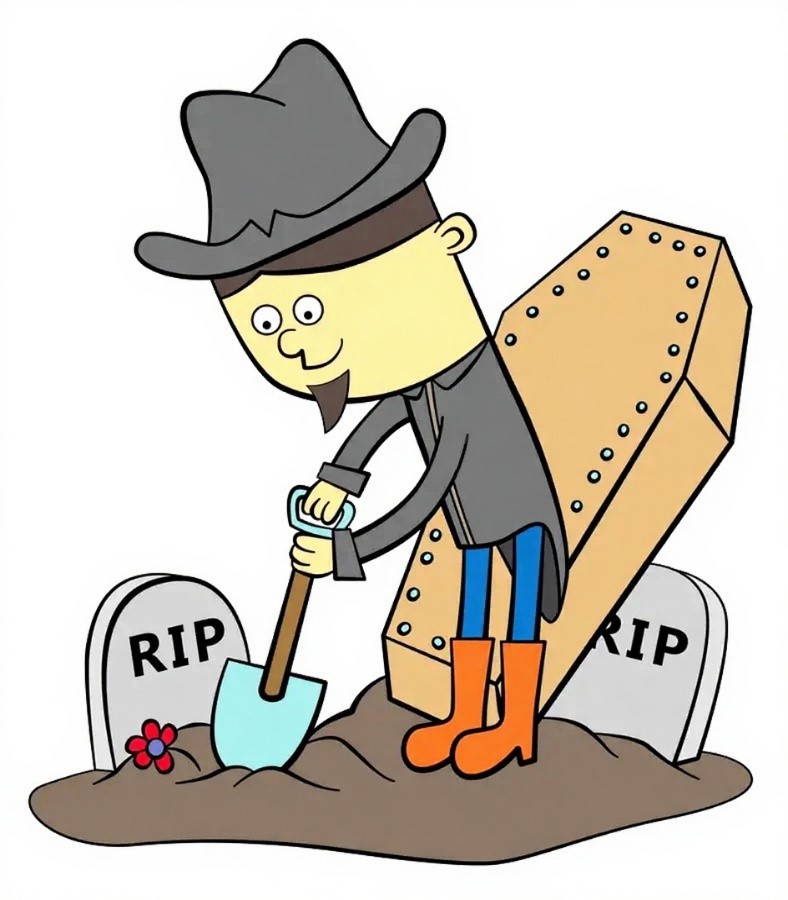
Once there is death, one understands the cost of the coffin.
ဒီ “တစ်ခါသေဖူး ပျဉ်ဖိုးနားလည်” ဆိုတဲ့ မြန်မာစကားပုံက တကယ်ကို လက်တွေ့ကျတဲ့ အဓိပ္ပာယ်ရှိပါတယ်။ လူတစ်ယောက်ဟာ အရာတစ်ခုရဲ့ တကယ့်အကျိုးဆက်၊ တန်ဖိုးကို ကိုယ်တိုင်မကြုံတွေ့ရခင်အထိ မသိနိုင်ဘူးဆိုတာကို ပေါ်လွင်အောင်ပြောတာပါ။
တကယ်တော့ ဒီစကားပုံက အတွေ့အကြုံကနေ သင်ခန်းစာယူဖို့ အရေးကြီးတယ်ဆိုတာကို ပြောတာပါ။ တစ်ခါတစ်လေကျရင် သူများပြောတာကို နားမထောင်ဘဲ ကိုယ်တိုင်ကြုံမှသာ အမှားကို နားလည်ပြီး ပြုပြင်တတ်ကြမျိုးရှိပါတယ်။ အဲ့ဒါကြောင့် “တစ်ခါရှုံးဖူးမှ ပညာရတယ်”၊ “နဖူးတွေ့ ဒူးတွေ့” လို့လည်းပြောလို့ရပါတယ်။
ဥပမာပြောရရင် စီးပွားရေးလုပ်ငန်းတစ်ခုကို စတင်တဲ့အခါမှာ အစကတော့ အသေးစိတ်စီမံကိန်းတွေ၊ အချိန်နဲ့ငွေကြေး သုံးစွဲမှုတွေကို သေချာဂရုမစိုက်မိဘဲ ပေါ့ပေါ့ဆဆ လုပ်မိတတ်ပါတယ်။ နောက်ပိုင်းမှာ အရှုံးနဲ့ကြုံလာတဲ့အခါကျမှ ဘယ်အရာတွေက ဘာကြောင့်အရေးကြီးတယ်၊ ဘာတွေပြင်ဆင်ရမယ်ဆိုတာကို သဘောပေါက်သွားတာမျိုးပေါ့။ ဒီလိုမျိုး ကိုယ်တိုင်ဆုံးရှုံးမှုတွေ၊ အခက်အခဲတွေကို ကြုံတွေ့ဖူးမှ အနာဂတ်မှာ ပိုပြီးသတိထားတတ်လာပါတယ်။
ဒါကြောင့် ဒီစကားပုံဟာ အတိတ်ကအမှားတွေ၊ အခက်အခဲတွေကနေအဖိုးတန်တဲ့ ပညာတွေရရှိပြီး ပိုကောင်းတဲ့ဆုံးဖြတ်ချက်တွေ ချနိုင်ဖို့ အားပေးနေတဲ့ သဘောပါပဲ။
The Myanmar proverb “Once there is death, one understands the cost of the coffin” teaches us a simple but important lesson: we learn best from our own experiences. It means we don’t truly understand the value or consequence of something until we face its results.
This saying shows us that going through a difficult time can make us wiser and more careful. When we make a mistake or face a hardship, we gain valuable knowledge that helps us make better decisions in the future.
The proverb also encourages us to pay attention and learn from our past mistakes. For example, a person who fails a test might finally understand the importance of studying. Or, someone who loses money in a bad business deal will learn to be more cautious next time. This kind of hands-on learning helps us grow and avoid repeating the same errors.
1. Live and learn
• Definition: To gain knowledge or wisdom through personal experience, especially from mistakes.
• Example Sentence: “I didn’t think to back up my computer files, and they all got deleted. Well, you live and learn!”
2. Learn the hard way
• Definition: To learn something through a difficult or unpleasant experience instead of by being told.
• Example Sentence: “He refused to listen to our advice about investing in that company, and he lost all his money. He had to learn the hard way.”
3. Experience is the best teacher
• Definition: This proverb means that the most effective way to learn is by actually doing something and facing the consequences, good or bad.
• Example Sentence: “I read a book about how to bake a cake, but I didn’t truly understand it until I tried it myself. They say experience is the best teacher.”
4. Hindsight is 20/20
• Definition: It is easy to understand a situation or what you should have done after it has already happened.
• Example Sentence: “I can see now that I should have studied more for that exam, but hindsight is 20/20.”