By Augustin
PROVERBS and sayings are crucial to understanding and preserving a culture because they reflect shared values, beliefs, and wisdom passed down through generations.
“ကြောက် လွဲ၊ ရဲ မင်းဖြစ်”
“Fear loses out, Bravery becomes king”
“ကြောက်လွဲ၊ ရဲမင်းဖြစ်” စကားပုံရဲ့ နောက်ကွယ်ကသတ္တိနဲ့ အခွင့်အရေးများ
မြန် မာစကားပု ံတွေထဲ မှ ာစဉ် းစားစရာ၊ အားပေးစရာ စကားလု ံးတွေအများကြီ းရှ ိပါတယ် ။ဒီ နေ့ ကျွန် တော ်ပြောချင် တာကတော ့ “ကြောက် လွ ဲ၊ရဲ မင် းဖြစ် ”ဆိ ုတဲ့စကားပု ံအကြောင် းပါ။ ဒီ စကားကိုတချို့က“ကြောက် လျှင ်လာဘ် လွ ဲ၊ရဲ လျှင ်မင် းဖြစ် ”လိ ု့လည် းသုံးကြသလို၊ “ကြောက်လျှင် လာဘ်လွဲ၊ ရဲလျှင် လာဘ်ရ” လို့လည်း ပြောကြပါတယ်။
လူ တစ် ယောက် ဟာ စွ န့် စားရဲ မှ ၊ရဲ ရဲ ဝံ ့ဝံ့လု ပ် ရဲ မှ ရနိ ုင် မယ ့ ်ကောင်းကျိုးချမ် းသာ တွေ၊ အခွင့်အရေးတွေရှိပါတယ်။ အဲဒါတွေကို “လာဘ်” လို့ ခေါ်တာပါ။
အခွင့်အရေးဆိုတာ ကိုယ့်ဆီကို အလွယ်တကူ ရောက်မလာပါဘူး။ ကိုယ်ကသတ္တိရှိရှိ၊ အန္တရာယ်ကို မကြောက်ဘဲ ရှေ့တိုးလုပ်ကိုင်မှသာ ဒီအခွင့်အလမ်းတွေကကိုယ့်လက်ထဲ ရောက်လာတာပါ။ ကြောက်ရွံ့ပြီး မလုပ်ဘဲ နေလိုက်ရင်တော့ အဲဒီ အခွင့်အရေးတွေကကိုယ့်အတွက် လွဲချော်သွားမယ်လို့ ဆိုလိုတာပေါ့။ ဒါကြောင့် “ရဲရဲ ဝံ့ဝံ့ လုပ်ဆောင်ခြင်းဟာ အောင်မြင်မှုအတွက် ဘယ်လောက် အရေးကြီးလဲ” ဆိုတာ ကို ဒီစကားပုံကထင်ရှားစွာ ဖော်ပြနေပါတယ်။
ဒီ နေရာမှ ာတချို့က“ကြောက် တတ ် ဝန် ကင် း” ဆိ ုတဲ ့စကားပု ံနဲ ့ယှ ဉ်ပြီ းပြော တတ်ကြပါတယ်။
“ကြောက်တတ် ဝန်ကင်း” ကဘာကို ဆိုလိုလဲဆိုတော့ အန္တရာယ်ရှိတဲ့ ကိစ္စတွေကို ကြောက်လို့ ရှောင်လိုက်ရင် ဘေးကင်းတယ်၊ အန္တရာယ်ကလွတ်မြောက်နိုင်တယ် လို့ ပြောတာပါ။
“ကြောက် လွ ဲ၊ရဲ မင် းဖြစ် ”ကတော ့သူ နဲ ့အဓိ ပ္ပ ာယ ်ဆန့် ကျင် ဘက် ပါ။ အန္တ ရာယ် ကိ ု မကြောက် ဘဲ ရဲ ရဲ ဝံ ့ဝံ့လု ပ် ဆောင် မှအခွ င့ ်အရေးတွေ၊ အကျိုးအမြတ် တွေရနိ ုင် မယ် လို့ အားပေးပြောဆိုတာ ဖြစ်ပါတယ်။
ပဉ္စဝုဓမင်းသားရဲ့ သတ္တိ
ဒီစကားပုံရဲ့ အဓိပ္ပာယ်ကို ပိုပြီး မြင်သာအောင် ပြောရရင်၊ ပဉ္စဝုဓမင်းသား ရဲ့ ဘီလူးနှိမ်နင်းတဲ့ ဇာတ်တော်ကအကောင်းဆုံး ဥပမာပါပဲ။ မြတ်စွာဘုရားရှင် ဇေတ ဝန်ကျောင်းမှာ သီတင်းသုံးနေတုန်း လုံ့လဝီရိယ အားနည်းတဲ့ ရဟန်းတစ်ပါးကို ဆုံးမ ဖို့အတွက် အတိတ်ကပဉ္စဝုဓမင်းသား ဇာတ်တော်ကို ဟောကြားခဲ့ပါတယ်။
ဗာရာဏသီပြည်မှာ ဗြဟ္မဒတ်မင်းကြီး မင်းလုပ်နေတုန်း သားတော်တစ်ပါး ဖွား လာပါတယ်။ နက္ခတ်ပညာရှင် ပုဏ္ဏားတွေကဒီမင်းသားလေးဟာ လက်နက်ငါးပါး အမှု မှ ာအလွ န် ထင် ရှ ားမယ် လို့ဟောတာကြောင ့်သူ့ကိ ုပဉ္စ ဝု ဓ(လက် နက် ငါးမျိုး) လိ ု့ နာမည်ပေးခဲ့ပါတယ်။
မင်းသားလေး အသက် ၁၆ နှစ်ရောက်တော့ ဂန္ဓာရတိုင်း၊ တက္ကသိုလ်ပြည်ကဆရာကြီးဆီမှာ ပညာတွေသင်ယူခဲ့တယ်။ ပညာတတ်မြောက်တော့ ဆရာ့ဆီကနေ လက်နက် ငါးမျိုးကိုယူပြီ းနေရပ် ရင် းဗာရာဏသီ ကိ ုပြန် ခဲ ့ပါတယ် ။
လမ်းခရီးမှာ ဘီလူးစောင့်တဲ့ တောအုပ်နား ရောက်တော့ လူတွေက“ဒီတောထဲ မဝင်ပါနဲ့။ ကပ်စေးနှဲ ဘီလူးကြီး ရှိတယ်။ ဝင်တဲ့လူမှန်သမျှ အကုန်စားတယ်” လို့ တား ကြပါတယ်။ ဒါပေမဲ့ ပဉ္စဝုဓမင်းသားဟာ ခြင်္သေ့မင်းလိုပဲ ကြောက်ရွံ့ခြင်းမရှိဘဲ တော ထဲကို ဝင်သွားခဲ့တယ်။
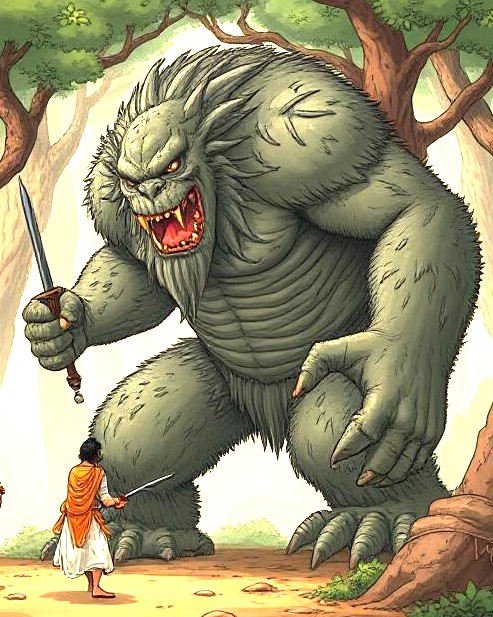
တောအလယ်လောက်ရောက်တော့ ဘီလူးကြီးကပုံသဏ္ဌာန်ကြီး ဖန်ဆင်းပြီး “ဟေ့ လူ သား၊ မင် းငါ့ အစာဖြစ်ပြီ ”လ ို့ပြောပါတယ် ။မင်းသားကလည် းလု ံးဝ မကြောက် ဘဲ “ဟေ့ဘီလူး၊ ငါ့မှာ လက်နက်အပြည့်အစုံ ပါတယ်၊ ငါ့နားကို သတိနဲ့ ကပ်” လို့ ရဲရဲ ပြောပြီး တိုက်ခိုက်ခဲ့ပါတယ်။
မင်းသားကပထမဆုံး အဆိပ်လူးမြှားနဲ့ ပစ်ပေမယ့် ဘီလူးကြီးကမြှားတွေကို ခါချလိုက်ပြီး မင်းသားနား ကပ်လာတော့ မင်းသားကသန်လျက်နဲ့ ခုတ်တယ်။ အဲ ဒါလည်း အမွေးမှာ ကပ်ငြိပြန်တယ်။ မြားတောင့်၊ ဆောက်ပုတ်၊ လှံ စတဲ့ လက်နက် ငါးမျိုးလု ံးနဲ ့ပစ် ၊ခု တ် ၊ထိ ုးပေမယ ့်အားလု ံးဘီ လူ းရဲ ့အမွေးမှ ာကပ် သွ ားကု န် တယ် ။
လက်နက်တွေကုန်သွားပေမယ့် မင်းသားကလုံးဝ လက်မလျှော့ဘဲ၊ “ဟေ့ ဘီ လူ းကြီ း၊ ငါ နင့ ်ကိ ု မှု န့် မှု န့် ညက် ညက် ကြေအောင ်လု ပ် ဦးမယ် ”လ ိ ု့ကြုံ းဝါးပြီ းလက် နှစ်ဖက်၊ ခြေနှစ်ဖက်၊ နောက်ဆုံး ခေါင်းနဲ့ပါ တိုက်ခဲ့တယ်။ ဘီလူးရဲ့ အမွေးမှာ အားလုံး ကပ်ငြိပြီး မိနေပေမယ့် မင်းသားကတော့ စိုးစဉ်းမျှ မကြောက်ရွံ့ခဲ့ပါဘူး။
ဘီ လူ းကြီးက“ဒီ ယောကျ် ားမျိုး ငါတစ် ခါမ ှ မမြင် ဖူ းဘူ း၊ ဘာလိ ု့များ မကြောက် တာလဲ” လို့ စဉ်းစားပြီး မေးပါတယ်။
ပဉ္စဝုဓမင်းသားကရဲရဲဝံ့ဝံ့ပဲ ပြန်ဖြေလိုက်တာက...
“ဘီလူးကြီး၊ ငါကတစ်ဘဝ တစ်ခါ သေရမှာပဲဆိုတော့ ဘာလို့ ကြောက်ရမှာလဲ။ နောက်ပြီ းငါ့ ဝမ်းထဲ မှ ာဝရဇိ န် လက် နက် ရှ ိတယ် ။မင်းသာ ငါ့ ကိ ု စားရင ်မင် းရဲ ့အသည် းအူတွေပြတ်ပြီး နှစ်ယောက်စလုံး သေကြရမှာ” လို့ ပြောလိုက်တယ်။
ဘီ လူ းကြီးကမင် းသားရဲ ့ရဲ စွ မ် းသတ္တ ိ၊ဉာဏ် ပညာနဲ ့စကားမှ န် ကန် မှု ကို လေးစား သွားပြီး “ဒီလို ယောကျ်ားကောင်းရဲ့ အသားကို စားရင် ငါ့မှာ အစာကြေမှာမဟုတ်ဘူး” လို့ တွေးပြီး မစားတော့ဘဲ လွှတ်ပေးလိုက်တယ်။
မင်းသားကဘီလူးကြီးကို “ဒီဘဝ အကုသိုလ်လုပ်ရင် နောက်ဘဝ ပိုဆိုးမယ်” လို့ ဆုံးမပြီး ငါးပါးသီလမှာ တည်စေခဲ့တယ်။ ပြီးတော့ မိဘတွေဆီ ပြန်သွားခဲ့တယ်။ နောက်ပိုင်း ဖခင် နတ်ရွာစံတော့ မင်းအဖြစ်ကို ရပြီး တရားနဲ့အညီ မင်းပြုခဲ့ပါတယ်။
ဒီဇာတ်တော်အဆုံးမှာ လုံ့လအားနည်းတဲ့ ရဟန်းဟာ တရားအားထုတ်ပြီး ရဟန္တာ အဖြစ်ကို ရောက်သွားခဲ့ပါတယ်။
ဆိုတော့... “ကြောက်လွဲ၊ ရဲမင်းဖြစ်” ဆိုတာ သတ္တိရှိတဲ့သူတွေအတွက် ရွှေတံခါး ဖွင့်ပေးမယ့် သော့ချက် ပါပဲ။
“Fear loses out, Bravery becomes king”
If you are afraid and do not take risks, you will miss good opportunities. If you are brave and dare to act, you will get the benefits and success.
This proverb is the opposite of “Fear avoids trouble” (ကြောက်တတ် ဝန်ကင်း). “Fear avoids trouble” means that if you are scared, you can escape danger. “Fear loses out, Bravery becomes king” means being brave is the way to gain advantages.
This ancient story, told by the Buddha himself, was originally meant to inspire a lazy monk to be more diligent. It follows the legendary journey of Prince Panca Vudha (whose name means “Five Weapons”), a young royal who was highly skilled in combat. After completing his education, the Prince began his journey home, carrying his five trusted weapons with him.
The Prince’s route led him straight into a dreaded forest, the domain of a man-eating Ogre. Despite being warned that anyone who entered was devoured, Panca Vudha was fearless. He confronted the massive Ogre, but the battle quickly turned strange. He used all his five weapons – one after another – yet they all became hopelessly stuck in the Ogre’s incredibly sticky hair or fur. Even after running out of traditional weapons, the Prince’s will was unshakable. He launched himself at the giant, using his hands, feet, and even his head, only to have his limbs stick firmly to the monster’s body. He was completely trapped but still not afraid.
It was then that the Prince used his wisdom instead of brute force. He looked the Ogre in the eye and declared that he was ready to die. He then issued a powerful warning: he claimed to carry an invisible ‘thunderbolt weapon’ (Warazein) inside his stomach. He told the Ogre that if it ate him, that weapon would surely tear its insides apart, resulting in both their deaths. The Ogre, astonished by the Prince’s sheer courage and cleverness, believed him. It had never encountered such a brave, resourceful human.
Impressed and intimidated, the Ogre respected the Prince’s fearlessness and let him go unharmed. Panca Vudha, having defeated the great monster through courage and wit, returned to his kingdom. He later became a just King and ruled his people righteously. The story served its purpose: the lazy monk was so moved by the Prince’s perseverance that he committed to his practice and eventually achieved enlightenment.
“ဆင်သွားလျှင် လမ်းဖြစ်”
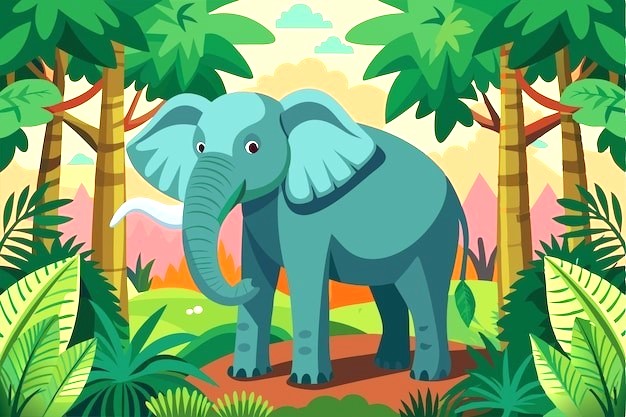
“When an elephant walks, a road is formed”
“ဆင်သွားလျှင် လမ်းဖြစ်” ဆိုတာကမြန်မာစကားပုံ၊ ဒါမှမဟုတ် ဆိုရိုးစကား တစ် ခု ပေါ့ ။သူ့အဓိ ပ္ပ ာယ် ကနှ စ် မျိုးရှ ိတယ် လိ ု့ပြောလိ ု့ရတယ် ။
ပထမအဓိပ္ပာယ်
ဆင် တွေသွ ားတဲ ့အခါကျတော ့ သူ တိ ု့ကိ ုယ် အလေးချိ န် ကအရမ် းများတာကိ ုး။ အဲဒါကြောင့် သွားရင်းနဲ့ မြေသားကို နင်းချေပြီးသား ဖြစ်တော့ မြေကြီးကကျစ်ကျစ် လျစ်လျစ်နဲ့ ခိုင်မာသွားတယ်။ အဲဒီလို ဆင်သွားပြီး ကျန်ခဲ့တဲ့ လမ်းကြောင်းကသွားလာဖို့ စိတ်ချရတဲ့ လမ်းကောင်းတစ်ခု ဖြစ်သွားတာပေါ့။
ဒီ သဘောအရဆိ ုရင် ၊အတွေ့အကြုံ ရှ ိတဲ ့လူဒါမှ မဟု တ်ဦးဆောင် တဲ ့သူ တစ် ယောက် ရဲ့ နောက်ကို လိုက်သွားရင် အောင်မြင်မှုကို လွယ်လွယ်ကူကူ ရနိုင်တယ်လို့ တင်စား ပြီး ပြောတာပါ
ဒုတိယအဓိပ္ပာယ်
တချို့နေရာတွေဆ ိ ုလမ် းမရှ ိဘူ းလေ။ တောနက်ထဲ တိ ု့၊ချုံ နွ ယ် တွေထူ ထပ် တဲ ့နေရာတွေတိ ု့ပေါ့ ။အဲ ဒီ လိ ုနေရာမျိုးမှ ာတောင ် ဆင် ကသွ ားနိ ုင် တယ် ။ဆင်ဖြတ် သွ ား ရင် လမ်းကြောင်းတစ်ခု ဖြစ်သွားတာပေါ့။
အဲဒါကြောင့် ဒီအဓိပ္ပာယ်ကခက်ခဲတဲ့ အခြေအနေ ဒါမှမဟုတ် မဖြစ်နိုင်ဘူးလို့ ထင် ရတ ဲ ့ကိ စ္စ မျိုးကိ ုတောင ် ကြိ ုးစားအားထု တ် မှု နဲ ့ဖြစ် မြောက် အောင ် လု ပ် နိ ုင် တယ် လို့ တင်စားပြီး ပြောတာဖြစ်ပါတယ်။
The Myanmar proverb “When an elephant walks, a road is formed” (ဆင်သွားလျှင် လမ်းဖြစ်သည်) carries two important meanings.
The first meaning comes from the physical action of the elephant. Because elephants are extremely heavy, their steps naturally press down and pack the earth. This process creates a firm, reliable, and solid path where the ground had been soft before. Figuratively, this suggests that if you follow the lead of an experienced person or a proven leader, you are essentially walking on a solid path that has already been tested. This makes achieving success much easier and more certain.
The second meaning highlights the elephant’s power to overcome obstacles. Elephants can travel through dense areas like thick jungles or brush where no human trail exists. By walking through, they literally clear a path for others to follow. Figuratively, this means that even when facing a seemingly impossible or extremely difficult situation, consistent and great effort can create a way forward and lead to success.
“ခွေးကပ်၊ ကြွေးကပ်၊ ပွေးကပ်”
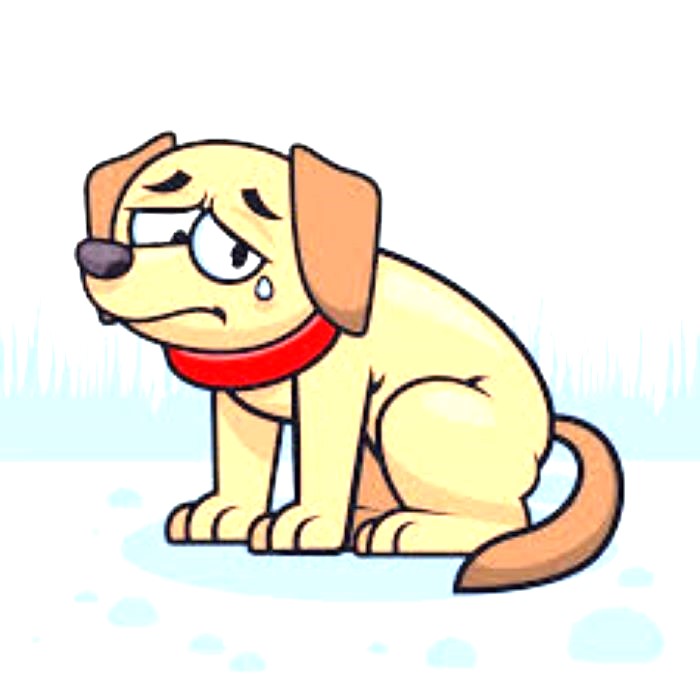
“The sticking dog, the sticking debt, the sticking ringworm,”
“ခွေးကပ် ၊ကြွေးကပ် ၊ပွေးကပ် ”ဆိ ုတာ မြန်မာတိ ု့ရဲ ့ဆိ ုရိ ုးစကားတစ် ခု ပေါ့ ။ဒီ စကားကဖယ်ရှားရတာ၊ ပြန်ဆပ်ရတာ၊ ဒါမှမဟုတ် ကုသရတာ အင်မတန် ခက်ခဲတဲ့ အရာသု ံးမျိုးကိ ုဥပမာပေးပြီ းပြောထားတာပါ။
သူ့အဓိပ္ပာယ်ကတော့ —
၁။ ခွေးကပ် ဆိုတာကအိမ်မှာ လာခိုကပ်နေတဲ့ ခွေးတစ်ကောင်ကို မောင်းထုတ် ရတာ ခက်တာကို ပြောတာပါ။ အဲဒီခွေးကို ကိုယ်ကပါ အစာကျွေးထားမိရင် ပိုပြီး တောင် ဖယ်ရှားရခက်သွားတယ်။
၂။ ကြွေးကပ် ဆိုတာကတော့ လူတစ်ယောက် အကြွေးတစ်ခါ တင်သွားပြီဆိုရင် အဲဒီအကြွေးကို ပြန်ဆပ်ဖို့၊ ခက်ခဲတာကို ဆိုလိုတာပါ။ အကြွေးကတဖြည်းဖြည်း များ လာပြီး စီးပွားရေး ဒုက္ခရောက်တတ်တာကို သတိပေးတာပေါ့။
၃။ ပွေးကပ ် ဆိ ုတာကတော ့ အရေပြားရောဂါတစ် မျိုးဖြစ် တဲ ့ပွေးပေါ့ ။ပွေးကတစ်ခါ ဖြစ်ပြီဆိုရင် ခန္ဓာကိုယ်မှာ စွဲကပ်ပြီး အမြစ်ပြတ်အောင် ကုသဖို့ အင်မတန် ခက်ခဲတာကို ပြောတာပါ။
ဒီဆိုရိုးစကားကကျွန်တော်တို့ကို သတိပေးတာက...
အိမ်မှာ ခွေးမွေးရင် သတိထားရမယ်။
အကြွေးမတင်မိအောင် သတိထား ရှောင်ရှားရမယ်။
ပွေးလိ ု ရောဂါမျိုး မဖြစ်အောင် ကိုယ်ခန္ဓ ာသန့်ရှင် းရေးကိ ုဂရုစိ ုက်ရမယ်လိ ု ့သွယ်ဝိုက်ပြီး ဆုံးမထားတာ ဖြစ်ပါတယ်။
(ပွေး -- dermatophytosis or ringworm သည် အရေအပြားပေါ်တွင် မှို ကြောင့်ဖြစ် သည ့်ယားနာတစ် မျိုးဖြစ် သည် ။)
The Myanmar proverb,”ခွေးကပ်၊ ကြွေးကပ်၊ ပွေးကပ်”, which translates to “The sticking dog, the sticking debt, the sticking ringworm,” is a concise warning. It uses these three common examples to illustrate how certain problems, once they become attached to a person, are incredibly difficult to remove, repay, or cure.
The first challenge is the “Sticking Dog”. It’s tough enough to chase away a stray dog that has decided to take shelter at your house, but it becomes even harder if you start feeding it. The more comfortable the dog gets, the more it “sticks,” making its removal a real headache.
The second, and perhaps most serious, issue is the “Sticking Debt”. The proverb warns that once you take on debt, it’s an uphill battle to pay it back and clear it completely. Like a persistent growth, debt often expands and can quickly lead to severe financial trouble. This serves as a strong cautionary note to avoid borrowing money whenever possible.
Finally, we have the “Sticking Ringworm”. This common skin fungus is notorious because it is very difficult to treat and cure completely. Just when you think it’s gone, it can return, illustrating how some problems require extreme diligence to eliminate at the root.
Ultimately, this ancient saying is a powerful lesson in prevention. It urges people to be mindful of the “three sticks” and avoid them entirely. This means being cautious about commitments (like allowing a dog to settle in), being diligent in managing finances to avoid debt, and maintaining excellent personal hygiene to prevent stubborn health issues like ringworm. The proverb reminds us that an ounce of prevention is truly worth a pound of cure.