By Augustin
'စိတ် တစ်ခုယုတ် ကိုးဆယ်၊ အကျယ် တစ်ရာနှစ်ဆယ့်တစ်'
'Eighty-Nine Consciousness, One Less Than Ninety, Extended to One Hundred and Twenty-One.'
(Referring to the core Abhidhamma classification of consciousness).
အထူး အရေးပါတဲ့ ဆိုရိုးစကား တစ်ခုအကြောင်း ပြောပြချင်ပါတယ်။ အဲဒါကတော့ ဗုဒ္ဓဘာသာ အဘိဓမ္မာမှာ 'စိတ်တစ်ခုယုတ် ကိုးဆယ်၊ အကျယ် တစ်ရာနှစ်ဆယ့်တစ်' ဆိုတဲ့ စကားပါပဲ။ ဒီစကားကိုမြန်မာလူမျိုးတွေက ဆိုရိုးစကားအဖြစ် မှတ်ယူကြပါတယ်။ အဓိကအားဖြင့် ဒီစကားက စိတ်ရဲ့အမျိုးအစားတွေကို အကျဉ်းချုံးခွဲခြားထားတာကို ပြောချင်တာပါ ခင်ဗျာ။
၉၀ ပြည့်ရန် တစ်ခုယုတ်
ပထမပိုင်းဖြစ်တဲ့ 'တစ်ခုယုတ် ကိုးဆယ်' ဆိုတာ စိတ်အမျိုးအစားကို အကျဉ်းချုပ်အားဖြင့် ၈၉ ပါးခွဲခြားတာပါ။ ၉၀ ပြည့်ဖို့အတွက် တစ်ပါးလျော့နေလို့ ဒီလိုခေါ်တာပါ။ အဘိဓမ္မာအရ 'စိတ်' ရဲ့ အလုပ်ကအာရုံကိုသိတာ တစ်မျိုးတည်းရှိပေမယ့်၊ ဘယ်လိုအာရုံကို သိသလဲ၊ စိတ်ဖြစ်ပေါ်လာပုံ အခြေအနေနဲ့ စိတ်နဲ့အတူ ယှဉ်တွဲပါလာတဲ့ တခြားစေတသိက်တွေပေါ် မူတည်ပြီး အမျိုးမျိုး ကွဲပြားသွားပါတယ် ။
ဒီ ၈၉ ပါးကို အဓိကအားဖြင့် ကာမစိတ်၊ ရူပစိတ်၊ အရူပစိတ်နဲ့ လောကုတ္တရာ စိတ်ဆိုပြီးအုပ်စုကြီးလေးခု ခွဲထားတာ ဖြစ်ပါတယ်။
(အကျဉ်း (၈၉ ပါး) -- ကာမစိတ် ၅၄ ပါး၊ ရူပစိတ် ၁၅ ပါး၊ အရူပစိတ် ၁၂ ပါး၊ လောကုတ္တရာစိတ် ၈ ပါး စုစုပေါင်း ၈၉ ပါး ဖြစ်သည်။)
အကျယ် ၁၂၁ ပါး
ဒုတိယပိုင်းဖြစ်တဲ့ 'အကျယ် တစ်ရာနှစ်ဆယ့်တစ်' ဆိုတာကတော့ စိတ်ကို အသေးစိတ်ထပ်ပြီး ခွဲလိုက်တာပါ။ မူရင်း ၈၉ ပါးထဲမှာပါတဲ့ လောကုတ္တရာ စိတ် ၈ ပါးကို မဂ်စိတ် ၄ ပါးနဲ့ ဖိုလ်စိတ် ၄ ပါး ဆိုပြီး အသေးစိတ် ထပ်ခွဲလိုက်တဲ့အခါ စုစုပေါင်း ၁၂၁ ပါး အထိ များပြားလာတာကို ဆိုလိုတာပါ။ ဒါဟာ စိတ်ရဲ့ သဘောတရားကို အသေးစိတ်လေ့လာချင်သူတွေအတွက် အရေးကြီးတဲ့ အခြေခံအချက်ပဲ ဖြစ်ပါတယ်။
(လောကုတ္တရာစိတ် ၈ ပါးကို မဂ် စိတ် ၄ ပါး၊ ဖိုလ်စိတ် ၄ ပါးဟု အကျယ် ခွဲ ခြားလို က် လျှင် ၁၂၁ ပါး ဖြစ်လာသည်။ ကာမာဝစရစိတ် ၅၄ ပါး၊ရူပါဝစရစိတ် ၁၅ ပါး၊အရူပါဝစရစိတ် ၁၂ ပါး၊လော ကတ္တရာစိတ်အကျယ် ၄၀။ ပေါင်း ၁၂၁ ပါး။)
Today, I'd like to tell you about a saying that's particularly important in Buddhist Abhidhamma. It is a very important term in Theravāda Abhidhamma: 'Eighty-Nine Consciousness, One Less Than Ninety, Extended to One Hundred and Twenty-One.'
This expression refers to the analysis of 89 types of consciousness (which can also be grouped into 121 types in a more detailed analysis).
The first part, 'One Less Than Ninety', refers to 89 types of consciousness in brief. The number is called this because it is one less than ninety.
Although the function of 'Citta' in Abhidhamma is solely to cognize an object, it varies based on the type of object and its associated 52 mental factors (Cetasika).
These 89 types are primarily categorized into four main groups: Sensuous Realm (Kāma-bhūmi), Pure Form Realm (Rūpa-bhūmi), Non-Form Realm (Arūpa-bhūmi), and Supramundane Realm (Lokuttara-bhūmi).
The second part, 'Extended to One Hundred and Twenty-One', is a more detailed analysis of the consciousness.
This occurs when the 8 types of Supramundane consciousness (which relate to the attainment of the four noble paths and fruits) are detailed out, resulting in a total of 121 types.
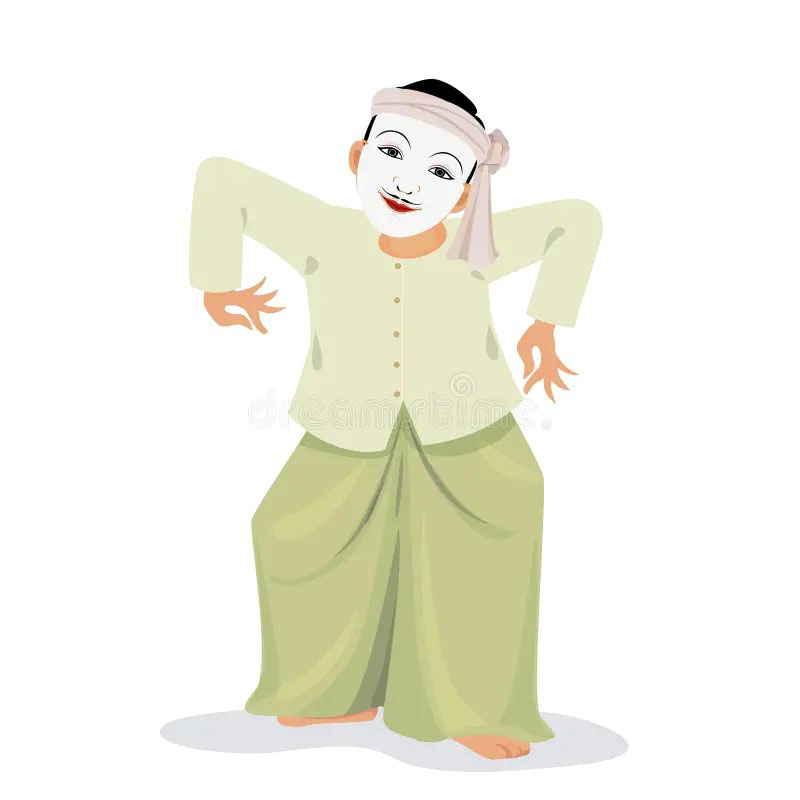
ဇာတ်သမားလာလျှင် မှတ်သားစရာပါရမည်၊ ဇာတ်သမားပြန်လျှင် မှတ်သားစရာ ကျန်ရမည်
When the performer comes, they must bring something to remember. When the performer goes, something to remember must stay behind.
မြန်မာ့ဆိုရိုးစကားဖြစ်တဲ့ "ဇာတ်သမားလာလျှင် မှတ်သားစရာပါရမည်၊ ဇာတ်သမားပြန်လျှင် မှတ်သားစရာ ကျန်ရမည်" ဆိုတဲ့ စကားရဲ့ အဓိပ္ပာယ်က
ဇာတ်သဘင် (အငြိမ့်၊ ပြဇာတ်၊ ဇာတ် ပွဲ)ဖျော် ဖြေသူတွေ (ဇာတ်သမားတွေ) ရဲ့ တာဝန်နဲ့ အရည်အသွေးကို ဖော်ပြထားတာပါ။
ဇာတ်သမားတွေ ဇာတ်ခုံပေါ်ကို တက်လာပြီး စတင်ဖျော်ဖြေပြီဆိုရင် ပရိသတ်အတွက် အဖိုးတန်တဲ့အရာ တစ်ခုခု ပါလာရမယ်။
ဒါဘာလဲ? အဲဒါက ရယ်စရာ၊ ပျော်စရာပေးရုံသက်သက် မဟုတ်ဘူး။ အသိပညာ၊ အတွေးအမြင်ကောင်းတွေ၊ ဒါမှမဟုတ် ဘဝအတွက် သင်ခန်းစာယူစရာတစ်ခုခုကို ပရိသတ်ကို ပေးစွမ်းနိုင်ရမယ်လို့ ဆိုလိုတာပါ။
"ဇာတ်သမားပြန်လျှင် မှတ်သားစရာ ကျန်ရမည်" ဆိုတာကတော့ ဇာတ်ပွဲပြီးလို့ ဇာတ်သမားတွေလည်း ပြန်သွားပြီ၊ ဇာတ်ခုံလည်း သိမ်းသွားပြီဆိုရင်တောင်... ပရိသတ်ရဲ့ စိတ်ထဲမှာ၊ အတွေးထဲမှာ သေသေချာချာ စွဲမြဲနေမယ့် အရာတစ်ခု ကျန်နေရစ်ခဲ့ရမယ်။
ဒါဘာလဲ? ဇာတ်ပွဲရဲ့အနုပညာ တန်ဖိုးကြောင့်ပဲဖြစ်ဖြစ်၊ ဖော်ပြသွားတဲ့ အကြောင်းအရာရဲ့ သဘောတရားကြောင့်ပဲဖြစ်ဖြစ် ကြာရှည်စွာစွဲမြဲ ကျန်နေရစ်မယ့် အကျိုးသက်ရောက်မှုမျိုးကို ဖန်တီးနိုင်ရမယ်လို့ ဆိုလိုတာပါ။
ဒီဆိုရိုးစကားက ဇာတ်သဘင်ဟာ ဖျော်ဖြေရေးသက်သက် မဟုတ်ဘဲ၊ ပညာပေးခြင်း၊ အတွေးအမြင်ပေးခြင်းဆိုတဲ့ အရေးကြီးတဲ့တာဝန်ရှိတယ်ဆိုတာကို ဖော်ပြနေတာ ဖြစ်ပါတယ်။ ဇာတ်သမား ကောင်းတစ်ယောက်ဟာ ပရိသတ်ကိုကောင်းမွန်တဲ့ လှုံ့ဆော်မှု (Inspiration) နဲ့ရေရှည် အကျိုးသက်ရောက်မှု (Long-term Impact) ပေးနိုင်သူဖြစ်ရမယ်လို့ သွန်သင်ထားတာပဲ ဖြစ်ပါတယ်ခင်ဗျာ။
ဇာတ်သဘင် ဖျော်ဖြေပွဲတစ်ခု ဖန်တီးတဲ့အခါမှာ "ရသ" (Emotional Flavors) ကို အဓိကထားပြီး ဖော်ထုတ်ရပါတယ် ။ဘယ် လိုရသတွေလဲဆိုတော့ —
(ချစ်) (ရွှင်) (သနား) (တည်ကြား) (ကြမ်းကြုတ်) (စက်ဆုပ်) (ကြောက်ရွံ့) (ရဲ ဝံ့)(အံ့ဩ) ဆိုပြီးအကျဉ်းရုံး မှတ်သားနိုင်ပါတယ်။
အရေးကြီးတာက ဇာတ်သဘင်ဆိုတာ ပရိသတ်ကို ပညာပေးဖို့နဲ့ အတွေးအမြင်ကောင်းတွေ ပေးဖို့ပါပဲ။
A Smart Saying About Great Performers
Have you ever heard a smart saying from Myanmar (Burma)? It's about people who act, sing, and dance on stage! We call them performers.
The saying goes like this –
"When the performer comes, they must bring something to remember. When the performer goes, something to remember must stay behind!"
When the actor or dancer walks onto the stage, they can't just be silly!
They must bring something valuable for everyone watching.
It’s great to laugh, but a good performer brings more than just jokes. They should bring new ideas, kind thoughts, or a helpful lesson about life.
Their job is to make the audience feel smarter and think better right from the start.
After the show is totally finished, and the performers bow and go home, something special must stay with you.
The show can’t just disappear from your mind the next day. It has to stay stuck in your head and your heart.
Maybe the story was so beautiful, or the lesson was so important, that you keep thinking about it for a long, long time.
A great performer makes sure their show leaves a lasting memory and a good feeling behind.
This old saying tells us that a stage show is not just for fun. It has a big, important job.
It tells us that a true star is someone who can teach you something and inspire you to be a better person. They give you a memory that helps you long after the curtain closes.
လောကီဘုံသား၊ လူယောက်ျားတို့၊ မယားဟူဘိ၊ ထိုဣတ္ထိကား မရှိမကောင်း၊ ရှိမကောင်းဘဲ၊ မပေါင်းလည်းခက်၊ ပေါင်းလည်းခက်၏။
A wife is such a woman (a lady), where not having her is bad, and having her is also bad. Not marrying is hard, and marrying is also hard.
မြန်မာ့လူမှုဘဝနဲ့ အိမ်ထောင်ရေးဆိုင်ရာ အတွေ့အကြုံတွေကို လက်တွေ့ကျကျ ဖော်ပြတဲ့ ရှေးလူကြီးစကားတစ်ခုရှိပါတယ်။ အဲဒါကတော့ "မိန်းမဟူဘိ ထိုဣတ္ထိကား၊ မရှိမကောင်း ရှိမကောင်းနှင့်၊ မပေါင်းလည်းခက်၊ ပေါင်းလည်းခက်" ဆိုတဲ့ စကားပါပဲ။ ဒီဆိုရိုးစကားက ယောက်ျားတစ်ယောက်အတွက် ဇနီးမယားနဲ့ ပတ်သက်တဲ့ ရှုပ်ထွေးပြီး သိမ်မွေ့တဲ့ ဘဝအမှန်တရားကို ခြုံငုံဖော်ပြထားတာ ဖြစ်ပါတယ်။
"မရှိမကောင်း" နှင့် "ရှိမကောင်း"
ဒီစကားရဲ့ဆိုလိုရင်းကို ခွဲကြည့်ရင် နှစ်ပိုင်းရှိပါတယ်။ "မရှိမကောင်း" ဆိုတာက ဇနီးမယားမရှိရင် လူမှုရေးအရ အထီးကျန်တာ၊ အိမ်တွင်းကိစ္စ စီမံခန့်ခွဲမှုနဲ့ မျိုးဆက်ထူထောင်ဖို့ ခက်ခဲတာကြောင့် မကောင်းဘူးလို့ ပြောတာပါ။ ဒါပေမဲ့ "ရှိမကောင်း" ဆိုတာကကျတော့ ဇနီးမယားရှိလာတဲ့အခါ စိတ်ဝမ်းကွဲတာ၊ ငြင်းခုံတာတွေကြောင့် စိတ်သောကရောက်ရတာ၊ မိသားစုတာဝန်တွေ ကြီးလာတာနဲ့ ကိုယ်ပိုင်လွတ်လပ်ခွင့် ဆုံးရှုံးတာတွေကြောင့် မကောင်းပြန်ဘူးလို့ ဆိုလိုတာပါ။
ဒါကြောင့်မို့လို့ ဘဝတစ်ခုမှာ ဇနီးမယား မပေါင်းဘဲနေဖို့လည်း ခက်သလို၊ တာဝန်တွေ၊ ဖိအားတွေကြောင့် ပေါင်းပြီးနေဖို့လည်း ခက်နေတယ်ဆိုတဲ့ လောကဓမ္မတာ အမှန်တရားကို ဖော်ညွှန်းထားတာ ဖြစ်ပါတယ်။ ဒီစကားဟာ အမျိုးသမီးတွေကို စော်ကားလိုတာမဟုတ်ဘဲ၊ အိမ်ထောင်ရေးဆိုတာ ကောင်းကျိုး၊ ဆိုးကျိုး၊ စိန်ခေါ်မှုတွေနဲ့ ဒွန်တွဲနေတဲ့ ဘဝခရီးဖြစ်ကြောင်းကို ယောက်ျားတစ်ဦးအနေနဲ့ လက်တွေ့ကျကျ ပြင်ဆင်ထားဖို့လမ်းညွှန်တဲ့ ပညာပေးစကားအဖြစ် မှတ်ယူနိုင်ပါတယ် ခင်ဗျာ။
အဲဒီ "မိန်းမဟူဘိ ထိုဣတ္ထိကား..." ဆိုတဲ့ ရှေးလူကြီးစကားရဲ့ အဓိပ္ပာယ်ကို စိတ်ပညာ ရှုထောင့်ကနေ ပြောကြည့်ရအောင်။
ဒီစကားက အိမ်ထောင်ရေးရဲ့ "နှစ် ဖက်စလုံး မှန်တဲ့ အမှန်တရား" (Paradox) ကို ပြောတာပါ။
"မရှိ မကောင်း" ဆိုတာက လူသားတိုင်းမှာ အဖော်လိုချင်စိ တ် (Belongingness) ဆိုတာ ရှိတယ်။ တစ်ယောက်တည်းဆိုရင် အထီးကျန်ပြီး မပြည့်စုံဘူး ခံစားရလို့ပါ။ ဒါကြောင့် အိမ်ထောင်ဖက်ဟာ ကျွန်တော်တို့ရဲ့ စိတ်ပို င်းဆိုင်ရာ လိုအပ်ချက်ကို ဖြည့်ဆည်းပေးတယ်။
"ရှိမကောင်း" ဆိုတာကျတော့ လက်တွဲဖော်ရှိလာတဲ့အခါမှာ တာဝန်တွေ၊ ဖိအားတွေ ကြီးလာတယ်။ တစ်ဦးနဲ့တစ်ဦး သဘောထား မတိုက်ဆိုင်တာတွေ၊ ပြဿနာတွေ (ပဋိပက္ခ) ကြောင့် စိတ်ဖိစီးရတာ၊ ကိုယ်ပိုင်အချိန်၊ ကိုယ်ပိုင်လွတ်လပ်ခွင့်တွေ နည်းသွားတာမျိုးကို ရင်ဆိုင်ရတာကို ပြောတာပါ။
တကယ်တော့ ဒီစကားက အမျိုးသမီးတွေကို စော်ကားချင်လို့ပြောတာ မဟုတ်ပါဘူး။ လူအချင်းချင်း ပေါင်းသင်းဆက်ဆံရေးတိုင်းမှာ ကောင်းကျိုးရော၊ ဆိုးကျိုးပါ ရောထွေးနေတယ်ဆိုတဲ့ လောကရဲ့ အမှန်တရားကို လက်ခံထားဖို့ပါ။ လက်တွဲဖော်ဆိုတာ မရှိမဖြစ် လိုအပ်ပေမယ့်၊ ဒီလိုပေါင်းသင်းရခြင်းရဲ့ စိန်ခေါ်မှုတွေလည်း ရှိနေတယ်ဆိုတာကို လက်တွေ့ကျကျ သတိပေးတဲ့ ပညာပေးစကား တစ်ခုပဲ ဖြစ်ပါတယ်ခင်ဗျာ။
The Wisdom of Marriage
There is an old, wise Myanmar saying that speaks honestly about life and marriage from a man's point of view. It describes the complicated truth of having a wife.
"A wife is such a woman (a lady), where not having her is bad, and having her is also bad. Not marrying is hard, and marrying is also hard."
This proverb sums up the challenging and subtle reality of married life for a man.
The saying is broken down into two main ideas.
If a man does not have a wife, life can be difficult. He may feel lonely and isolated in society. It is hard to manage a home alone, and it is impossible to start a family. Therefore, having no wife is "bad" because it leaves a basic human need unfulfilled (the need for companionship and belonging).
Once a man has a wife, new difficulties appear. There can be arguments and disagreements, causing stress and worry. His family responsibilities increase greatly, and he often loses his personal freedom and private time. Therefore, having a wife is "bad" because it brings stress, responsibility, and conflicts.
The Human Paradox
This saying highlights a true paradox of human nature. It is hard to go through life without a spouse, but it is equally hard to manage the challenges and pressures that come with being married.
The true purpose of this proverb is not to insult women. Instead, it serves as practical wisdom for men, teaching them to prepare for the reality of marriage. It acknowledges that a life partnership is a journey filled with both good things and bad things, blessings and challenges. It encourages accepting that all close human relationships involve both joy and conflict.
It is a reminder that while a partner is a necessary part of a fulfilling life, managing the challenges of that partnership is an inescapable and difficult task.