By Yin Nwe Ko
ELECTIONS are one of the most important parts of a democratic system because they give citizens the right to choose their leaders and take part in shaping the future of their country. Through voting, people can express their opinions and make their voices heard in the decision-making process. In Myanmar, the upcoming general election, which will be held on 28 December, is an important event for all citizens. It gives the people a chance to select representatives who will work for the progress and stability of the nation. However, many people often ignore the importance of voting or feel that their single vote does not matter. The purpose of this article is to explain why voting is a vital civic duty and to discuss the possible consequences when citizens fail to participate in elections. Understanding these points will help everyone become more responsible and active members of society.
The Meaning and Power of Voting
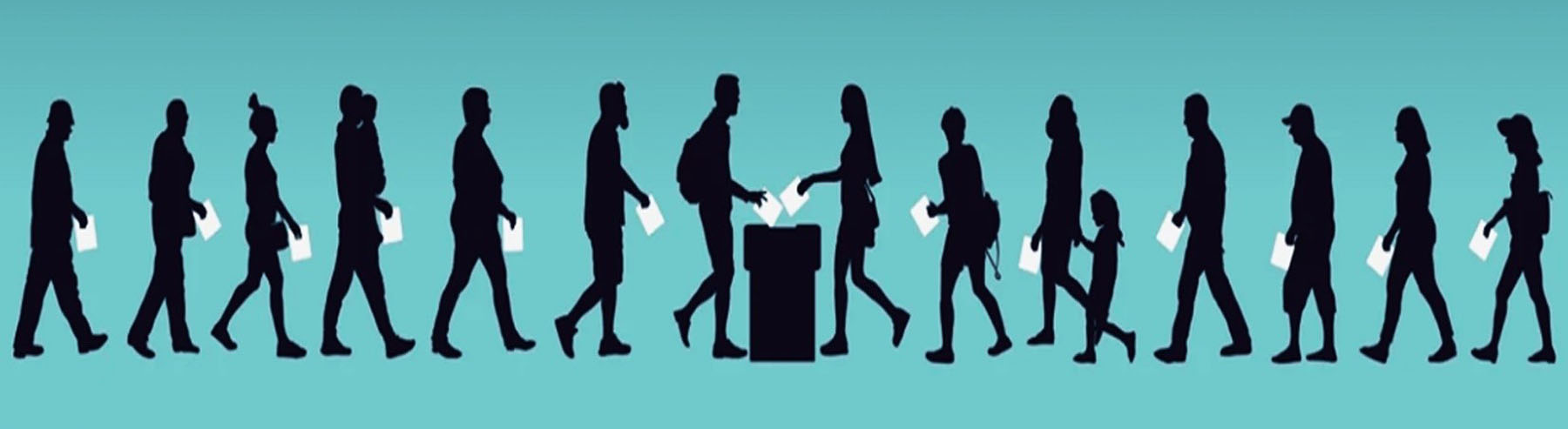
Voting is one of the most powerful ways for citizens to take part in their country’s political life. It allows people to influence important decisions and choose leaders who represent their ideas and values. When citizens cast their votes, they are not only selecting candidates but also expressing their hopes for a better future. Each vote is a voice that contributes to how a nation is governed and what direction it will take. In a democratic society, the government’s power comes from the people, and voting is the main tool that connects citizens to their leaders. Even a single vote can make a difference in shaping leadership, creating fair laws, and promoting national development. Therefore, voting is not just a right; it is also a responsibility that gives every individual the power to build a stronger and more just society.
Citizen Rights and Responsibilities
In a democracy, voting is not only a basic right but also an important civic duty that every citizen should take seriously. Having the right to vote means having the power to influence how the country is governed, but using that right shows a person’s sense of responsibility towards the nation. When citizens participate in elections, they help shape the government and contribute to the common good of society. Voting shows that people care about their community and are willing to take part in improving it. It is also a way to hold leaders accountable and to make sure that the government reflects the will of the people. By voting, citizens demonstrate their active involvement and commitment to building a fair, peaceful, and progressive society where everyone’s voice truly matters.
Consequences of Not Voting
Choosing not to vote can lead to many negative outcomes for both individuals and the country as a whole. When people do not vote, they lose the chance to make their voices heard and to influence the direction of their nation. This silence allows others to decide on important issues that affect everyone’s lives. As a result, citizens may end up being governed by leaders who do not truly represent their values, needs, or interests. Moreover, failing to vote weakens the ability of people to protect their personal and community rights, as decisions will be made without their participation. Non-voters may also be seen as disengaged or irresponsible, showing little concern for the future of their country. Therefore, not voting means giving up one’s power and responsibility in shaping a fair and democratic society.
Voter Participation Trends in Myanmar
In recent years, voter participation in Myanmar has shown both progress and challenges. While some elections have seen strong public interest, others have experienced lower turnout due to various social and political factors. Many citizens still hesitate to vote because they lack trust in the electoral process or doubt that their votes will truly make a difference. In some areas, limited access to information and difficulties in reaching polling stations have also discouraged people from participating. Additionally, voter apathy – when people feel indifferent or disconnected from politics – has reduced overall engagement. These issues highlight the need for greater public awareness and confidence in the democratic process. As the upcoming election on December 28 approaches, it is important to encourage all eligible citizens to take part actively. Increasing voter participation will help ensure fair representation and strengthen democracy in Myanmar.
Recommendations to Encourage Voting
To strengthen democracy and increase voter participation in Myanmar, several practical steps can be taken. First, access to reliable information and civic education should be improved so that citizens clearly understand the importance of voting and how the election process works. When people are well-informed, they are more confident and motivated to take part in elections. Second, special awareness campaigns should target young people and students, as they represent the future of the nation. Encouraging them to see voting as both a right and a responsibility can help build long-term civic habits. Third, community organizations, social groups, and local leaders should work together to promote voter participation through discussions, events, and outreach programs. By spreading knowledge and inspiring civic pride, these efforts can help create a culture of active citizenship where everyone takes part in shaping the country’s future.
In conclusion, voting is one of the most vital rights in a democracy, giving citizens the power to shape their nation’s future. It represents freedom, equality, and the collective voice of the people. When individuals choose not to vote, they risk losing their influence in important decisions and allowing others to decide for them. Non-participation weakens democracy and can lead to leadership that does not truly reflect the will of the people. Every vote counts and contributes to building a fair, peaceful, and prosperous society. Therefore, all eligible citizens should recognize their responsibility and take part in the upcoming election on 28 December. By voting, they not only exercise their democratic right but also show their commitment to the progress and stability of Myanmar. Active participation in elections is the key to a stronger and more representative democracy.