By Si Thu Kyaw (MoHT)
THE domestic tourism industry has shown a remarkable surge in growth in the post-COVID-19 period. People travelled near and far to see the world that emerged after the pandemic. It is a push factor in terms of tourism; people are forced to vacate our typical location, which has been locked down for months because of COVID-19.
With the advancement of the modern era and the increasing use of technology and social media, a growing number of images showcasing the beauty of Myanmar’s tourist destinations can be seen, including photos captured and shared by travellers on their personal social media platforms. Therefore, like a gentle breeze spreading news far and wide, an increasing number of visitors to these destinations are sharing their experiences – tasting local cuisines, exploring unique and fascinating traditional customs, and documenting their journeys through written posts, photos, and videos.
In writing about tourism, authors also provide extensive explanations of the most popular and widely practised types of tourism, such as festival tourism, pilgrimage tourism, and leisure tourism, highlighting the various activities that travellers eagerly engage in. In discussions and presentations related to policy matters, topics such as responsible tourism and sustainable tourism are also being actively highlighted and encouraged.
It is also noted through extensive writings that the tourism industry brings numerous benefits, creating income and employment opportunities for local communities, generating foreign revenue and tax income for the country, improving basic infrastructure such as clean drinking water, electricity, and transport networks, and supporting cultural and environmental preservation efforts.
Indeed, the tourism industry holds many positive prospects, provided that all stakeholders, including travellers and service providers, act responsibly and carry out their roles in a systematic and accountable manner. It will effectively minimize negative impacts while maximizing the benefits.
However, shouldn’t these benefits, the beauty of t ourism, and the exciting, meaningful experiences it offers be enjoyed equally by everyone? When speaking of inclusiveness in the tourism industry, the discussion primarily emphasizes the importance of local community participation in tourism development and their involvement in decision-making processes.
Persons with disabilities should also have the same rights as others to enjoy their own land and waters, appreciate natural beauty, and study and cherish cultural heritage. Therefore, measures must be taken to ensure that persons with disabilities can access and navigate these tourist destinations without difficulty.
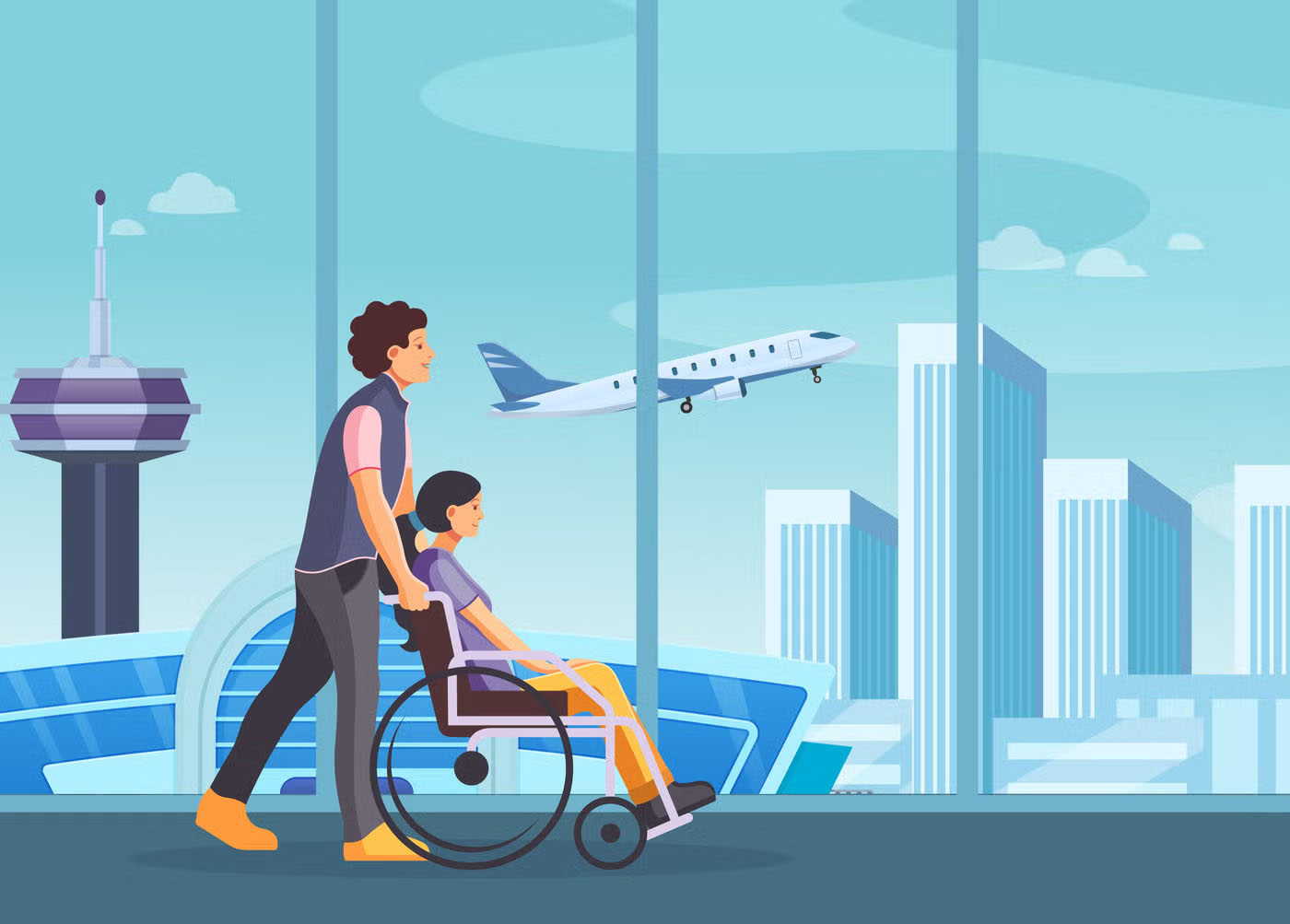
Barrier-free tourism attempts to make travel accessible to everyone, including those with impairments, so that they can have the same experiences as others.
Barrier-free tourism, also known as accessible tourism, refers to travel that is accessible to all individuals, regardless of their physical limitations or disabilities. This covers older people and people with transitory disabilities, as well as people with mobility, hearing, sight, cognitive, or intellectual problems. In order to enable everyone to fully engage in tourism activities, obstacles in the physical environment, transportation, information, and services must be removed.
Similarly, persons with disabilities are also travellers. According to 2021 data, there are over one billion people with disabilities, while 2.4 million are in Myanmar as per the 2014 Census. Therefore, the Ministry of Hotels and Tourism of Myanmar made efforts to create a comfortable and convenient tourism environment for tourists with disabilities to visit tourist destinations.
Barriers to tourism for persons with disabilities generally include transport barriers, architectural barriers, and lodging barriers.
Transport barriers include measures such as providing services with vehicles that can accommodate and lift wheelchairs, designating priority seating on vehicles, installing tourist signage for persons with disabilities at destinations, and allowing sufficient time to cross streets and intersections.
Architectural barriers refer to measures such as establishing wheelchair-accessible routes within tourist destinations, constructing paths that allow for uphill and downhill navigation, providing wheelchairs suitable for use on sandy surfaces, creating rest areas, providing parking spaces, and installing special flooring that prevents slipping or tripping.
Lodging barriers refer to measures such as installing doors wide enough to allow wheelchair access, fitting doors with standardized handles, providing auditory or tactile indicators inside elevators, arranging reception counters, furniture, light switches, and amenities at heights compatible with wheelchair users, and ensuring the availability of accessible, all-purpose restrooms.
At present, there is a growing recognition that understanding the principles of barrier-free tourism and addressing the travel needs of persons with disabilities is not only a matter of human rights but also an important factor in enhancing the quality, sustainability, and competitiveness of the tourism industry.