
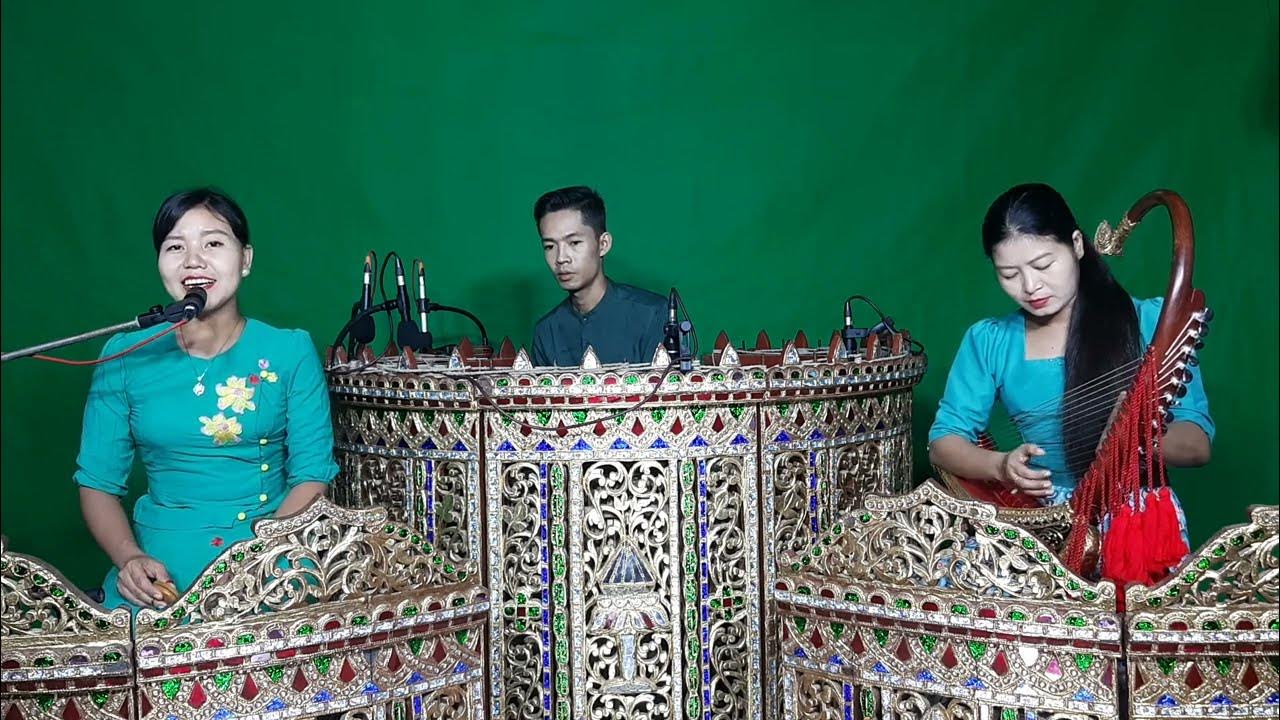
By Dr Than Lwin Tun
CULTURE is defined as the collective values, customs, norms, arts, social institutions, and intellectual achievements of a particular society. Culture is the significance of any society, and at its heart lies intangible cultural heritage (ICH), the living expressions, traditions, and knowledge passed down through generations. Unlike monuments or artefacts, intangible cultural heritage includes oral traditions, performing arts, social practices, rituals, festive events, traditional craftsmanship, and indigenous knowledge systems. Though invisible, these elements are vital for maintaining the cultural identity, continuity, and cohesion of communities across the world.
The intangible cultural heritage (ICH) means the practices, representations, expressions, knowledge, skills, as well as the instruments, objects, artefacts and cultural spaces associated therewith, that communities, groups and, in some cases, individuals recognize as part of their cultural heritage. This intangible cultural heritage, transmitted from generation to generation, is constantly recreated by communities and groups in response to their environment, their interaction with nature and their history, and provides them with a sense of identity and continuity, thus promoting respect for cultural diversity and human creativity.
One of the most significant roles of intangible cultural heritage is in shaping and preserving cultural identity. In a rapidly globalizing world, where dominant cultures can overshadow local traditions, ICH serves as a powerful reminder of a community’s unique values, beliefs, and ways of life. Whether it's the storytelling traditions of West Africa, the tea ceremony in Japan, or the Sufi music of South Asia, these practices keep local histories and perspectives alive. They give people a sense of belonging and pride in their heritage.
Moreover, intangible cultural heritage fosters social cohesion and intergenerational continuity. By participating in cultural practices, from folk dances to religious rituals, individuals strengthen their bonds with family and community. These practices are often transmitted from elders to youth, creating a link between generations. This transmission not only preserves knowledge but also instils moral values, respect, and cooperation.
In addition to cultural value, intangible heritage holds practical and economic importance. Traditional knowledge related to agriculture, medicine, and natural resource management offers sustainable alternatives to modern practices. For example, indigenous knowledge of herbal medicine has informed scientific research and led to the development of new pharmaceuticals. Similarly, local festivals and traditional crafts can boost tourism, create jobs, and support local economies without sacrificing authenticity.
Furthermore, intangible heritage contributes to peace and dialogue. It promotes respect for cultural diversity and human creativity. When communities share and celebrate their intangible heritage with others, they build mutual understanding and reduce prejudice. However, intangible cultural heritage is under threat. Modernization, urbanization, environmental changes, and even conflict can cause traditions to be forgotten or suppressed. As older generations pass away without transferring their knowledge, valuable aspects of heritage risk disappearing forever. Safeguarding intangible heritage, therefore, requires active documentation, education, and support from governments, communities, and individuals alike.
Additionally, intangible cultural heritage is not just a legacy of the past; it is a living, evolving source of identity, wisdom, and creativity. Its preservation is essential for cultural diversity, social harmony, and sustainable development. Therefore, protecting and promoting intangible heritage helps strengthen social bonds, foster mutual respect, and sustain cultural diversity in a rapidly globalizing world.
References
www.geektonight.com
https://ich.unesco.org/en/convention