
11 OCTOBER 2025
THE marine species and resource conservation are being carried out in 300,168.63 acres wide Lampi Marine National Park, which is located in Bokpyin and Myeik Archipelago in Taninthayi Region and surrounded by 26 small islands, according to the park official.
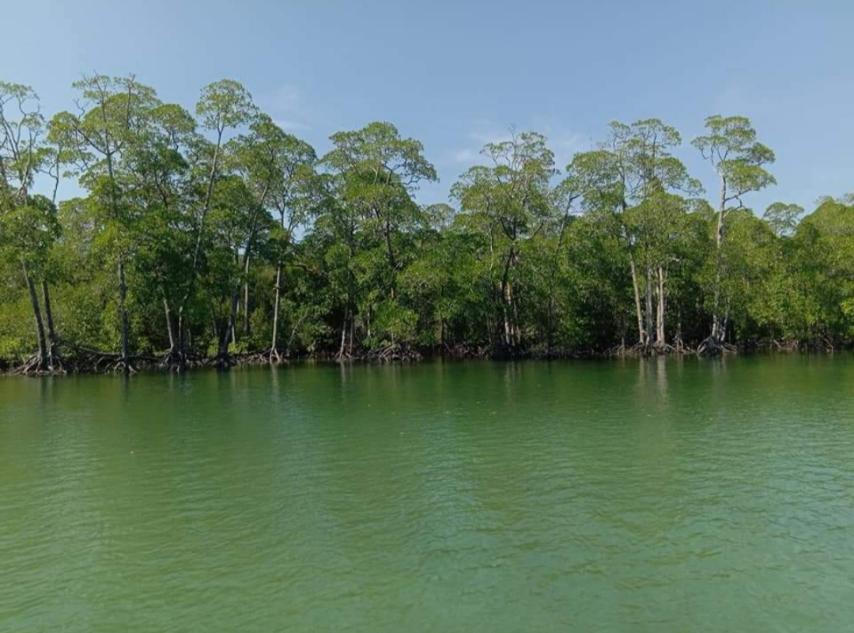
The Lampi Marine National Park covers an area of 57,344.03 acres of land and 242,824.6 acres of water, totalling 300,168.63 acres, of which about 75 per cent is for marine animals, whereas 22 per cent is evergreen forest, two per cent is mangrove, and one per cent is spit.
"In the Lampi Marine National Park area, we are making collaborative efforts to conserve the coastal ecosystems, marine species and enrich marine resources. As some areas are inaccessible, and so we are working together, especially with the Tatmadaw (Navy). We conduct educational programmes in Salone areas, and work together with the department concerned for plastic-free campaign and other educational programmes for Wa Ale Island," said U Thet Oo, director of the park.

The Lampi Marine National Park boasts 19 species of mammals, 228 species of birds, 19 species of reptiles, 11 species of amphibians, 42 species of fish, 42 species of crabs, 195 species of plants, 11 species of seagrass, 73 species of kelp, 136 species of phytoplankton, 150 species of zooplankton, and 63 species of mangrove plants. The park is also home to endangered species such as the dugong, green sea turtle, Malayan pangolin, and near-threatened species, including the hairy-nosed otter, pig-tailed macaque, dusky langur, and various civets.
The Lampi Marine National Park features unspoiled beaches, beautiful marine scenery, rich mangrove forests, inland forest trails, and canoe-accessible mangrove waterways. It also includes turtle nesting grounds, rare bird habitats, and diverse aquatic ecosystems, making it a place of great interest for foreign tourists and for the marine animals, rare birds and forest researchers. Due to its high biodiversity and unique natural beauty, the park is an ideal location for research and has strong potential for nature-based tourism development, creating employment and livelihood opportunities for local communities. — Nyein Thu (MNA)/KTZH