
November 01
By Maung Myo Min
Since Myanmar is an agriculture-based country, the government is encouraging the development of agricultural power in accordance with the economic objectives of “To enhance development rooted in agriculture and livestock-inclusive of all ethnic people to ensure national prosperity and food security of the nation utilizing contemporary production methodologies and to promote all-round growth in other sectors of the economy.” The Economic development of the state depends on production, trade and foreign investment. As Myanmar shares its border with Thailand, India, China and Bangladesh, border trade operations are being carried out, as well as overseas trade with foreign countries through the sea. It is very important to balance trade activities and foreign investments for Myanmar’s economic development. The state is strongly asserting its all-out effort and encouraging not only the development of our domestic micro, small and medium enterprises – MSMEs- but also the increase in the export of domestic products to foreign countries, which are very important for a nation’s economy.
For the balanced development of Myanmar’s economy, effective cooperation between the government and the people is pivotal in order to reduce and eliminate illegal trade activities that delay the economic development of the country and cause many obstacles.
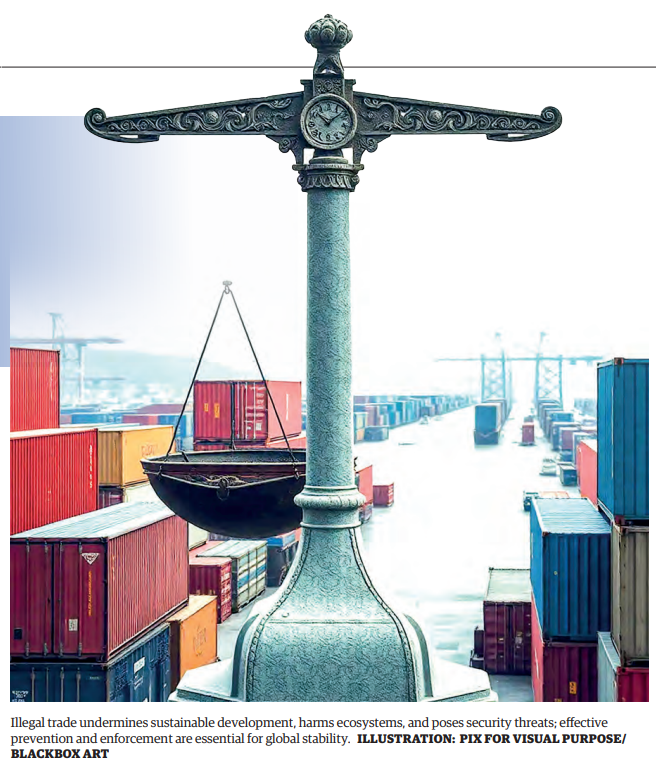
Due to various impacts of illegal trade, such as hindering the achievement of the country’s sustainable development goals, losing revenue for public services and employment opportunities, and harming ecosystems and livelihoods, it is necessary to take effective action for prevention and enforcement. Money laundering through illegal trade, reinvesting in other illegal activities and supporting terrorist organizations may pose a threat to global security.
The World Trade Organization constantly monitors and controls the risk of illicit trade in cooperation with member countries through the provision of the Agreement on Facilitation of Trade, the Customs Agreement, the provisions of the Agreement on Technological Barriers and Trade-Related Intellectual Property Agreements.
In fact, businessmen do not wish to make illegal trade when conducting international trade activities and manufacturing with market competitiveness in accordance with existing procedures and laws. Entering counterfeit goods into the markets through illegal trade channels could lead to the loss of consumers’ trust in the domestic market and their desire to consume good quality and safe products and reduce the revenue that the state deserves as well as harming the ethnic entrepreneurs who are doing business honestly, necessary actions are needed to apply to combat illegal trade.
In order to effectively prevent and combat illegal trade, the Steering Committee to Combat Illegal Trade, comprising relevant committee members, the Customs Department and a special team of Region and State, has been formed and carried out the activities. The state is honouring and awarding rewards to responsible citizens who participate in fighting against illegal trade.
Therefore, in order to effectively prevent and combat illegal trade, we would like to urge citizens to cooperate responsibly in the fight against illegal trade by sending accurate and timely information through Mobile phone: 09 404339969, Auto Telephone: 067 409883 and email antiillegaltradeinfo@gmail.com.