
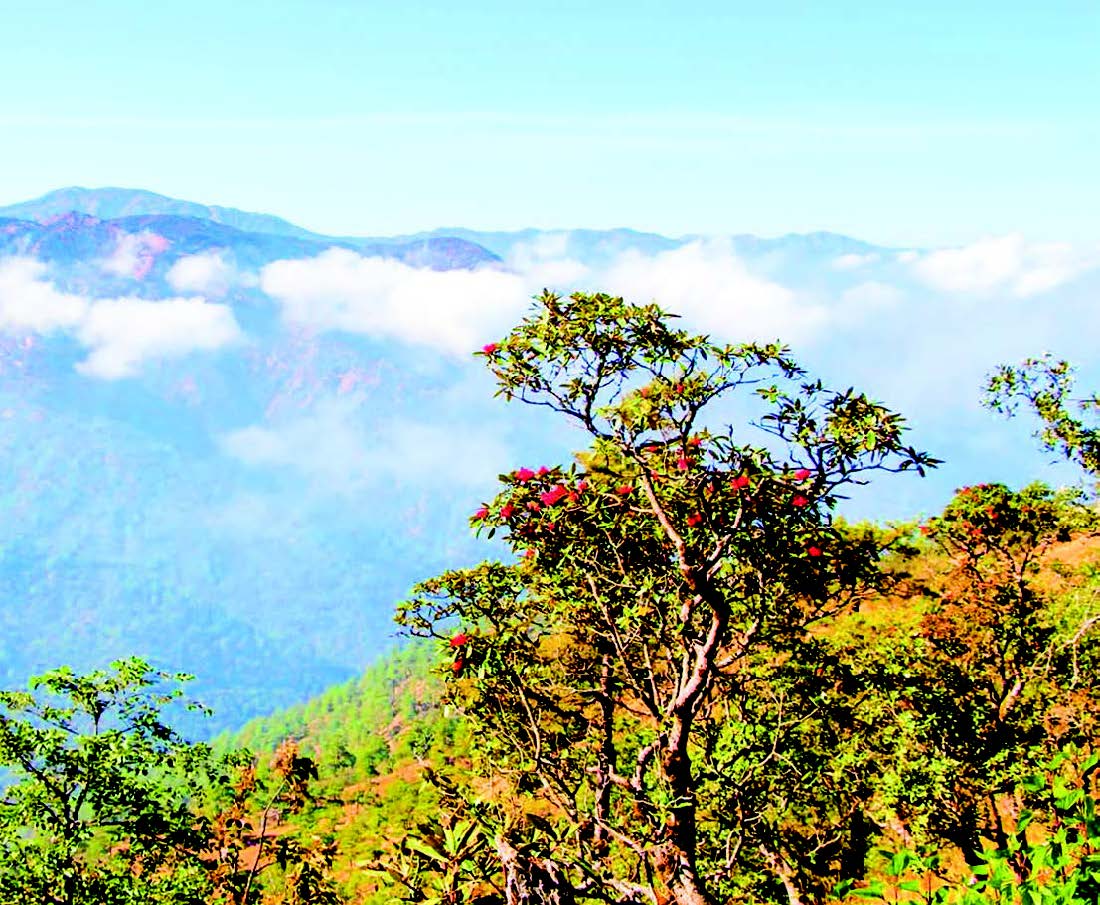
Myanmar has 59 ecological protection areas featuring biodiversity, ecosystem and cultural heritages, which are recognized as ASEAN Heritage Parks.
The conservation of the environment and biodiversity policy is being conducted for the protected areas, and the ecosystem, natural plants, wildlife, migrant animals, resident flora and fauna are being conserved and scientific research, and sustainable heritage processes are also being conducted with public participation effectively.
Myanmar hosts eight ASEAN Heritage Sites, including Khakaborazi National Park, Natmataung National Park, Htamanthi Wildlife Sanctuary, Alaungtaw Kathapa National Park, Mainmahla Island Wildlife Sanctuary, Lampi Marine National Park, Inlay Lake Wildlife Sanctuary, and Indawgyi Lake Wildlife Sanctuary. These regions support protection of the world’s bird species as the majority of the migratory bird species use the East Asian-Australasian Flyway and Central Asian Flyway.
There are 49 ASEAN Heritage Parks. Brunei boasts one ASEAN Heritage Park, one in Laos, two in Cambodia, two in Singapore, three in Malaysia, six in Thailand, seven in Indonesia, eight in Myanmar, nine in the Philippines and ten in Vietnam.
Biosphere Reserves are the learning areas for sustainable development under diverse ecological, social and economic contexts, touching the lives of more than 250 million people. Currently, there are over 700 biosphere reserves in more than 120 countries around the world, including 22 transboundary sites.
In Myanmar, the scientific reserve, national park, marine national park, natural reserve, wildlife sanctuary, geo-features significant area, and community conserved protected area have been established under the Conservation of Biodiversity and Protected Areas Law (2018). — Nyein Thu (MNA)/KTZH