By Zaw Oo
AS Myanmar stands on the precipice of a new era, with elections concluding by the end of this month, the nation holds its collective breath. The country will enter a critical new phase, carrying with it the tentative hopes of a population weary from years of turmoil. While the political landscape shifts, the true weight of the nation’s future rests on the shoulders of a specific demographic: its youth.
This is a generation that has borne the brunt of a "perfect storm" of crises. Myanmar youth have navigated the trauma of a deadly global pandemic, survived the devastation of the Mandalay earthquake, and, most tragically, endured five years of intensifying armed conflict. They have seen their economic prospects evaporate, replaced by the insidious rise of illicit black-market economies – from drug trafficking to the cyber scam centres that have sprung up in the vacuum of instability.
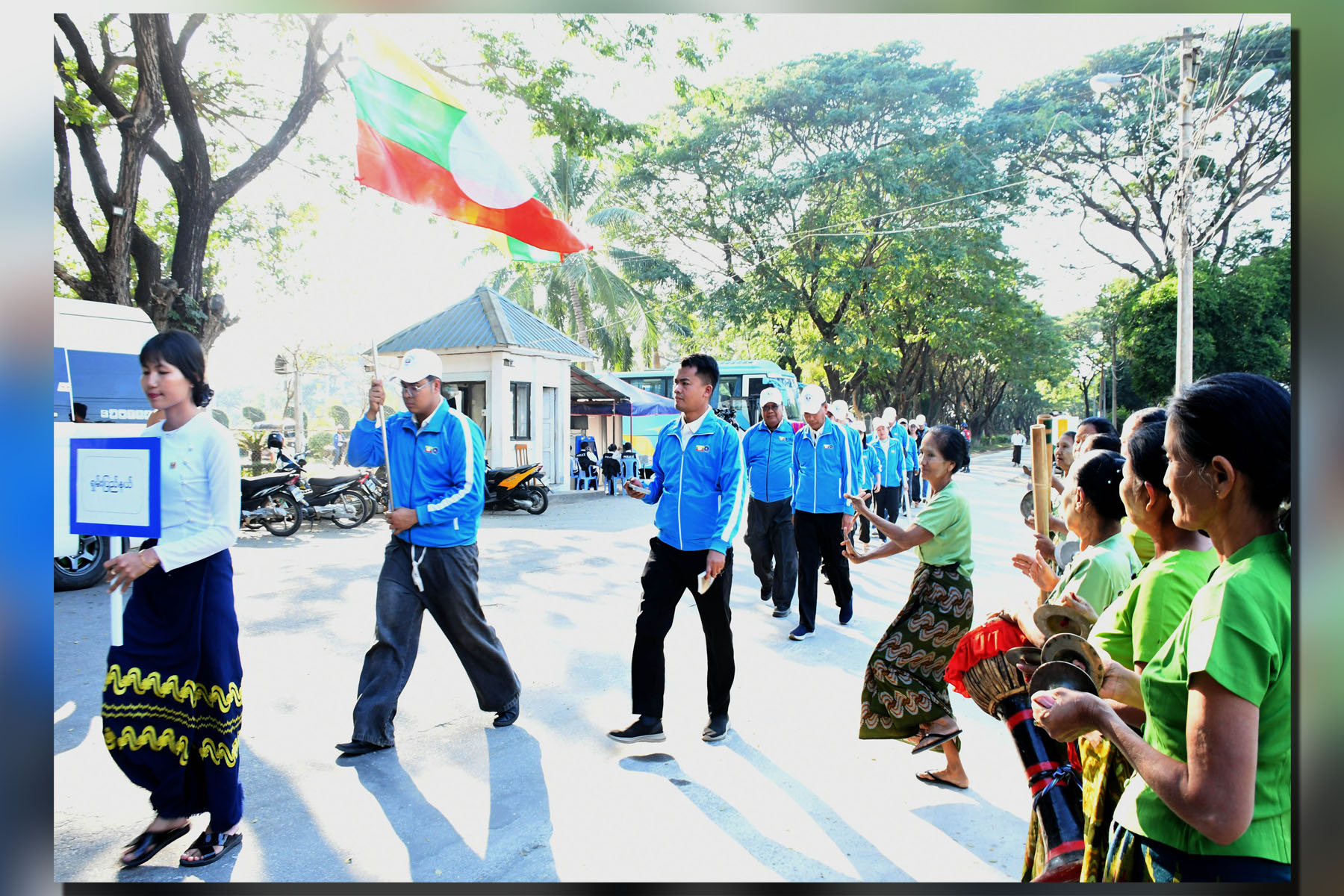
Yet, amidst this landscape of scarring challenges, a flicker of resilience has emerged. This week, Nay Pyi Taw will host a gathering of profound significance: the Youth Peace Forum. Organized by the National Solidarity and Peace Negotiation Committee (NSPNC), this three-day event is bringing together over 300 young people from every state and region. They are coming from conflict-torn communities, from displacement camps, and from urban centres, united by a singular purpose: to lay down new pathways for peacebuilding.
The Pulse of a Generation
The genesis of this forum was not a top-down directive, but a response to data. A nationwide survey conducted three months ago sought to measure the "barometer" of youth sentiment regarding the elections. The findings were illuminating. Despite the bleak conditions on the ground, the survey revealed that the highest expectation among young people was the achievement of peace.
While seasoned analysts might argue that the conditions for immediate conflict resolution are dim, the youth view the post-election landscape as a narrow window of opportunity — a chance to reduce violence and renew dialogue. This solid expression of will and their desire to roll up their sleeves and work on peacebuilding provided the spark for this week's Forum. It is an acknowledgement that the peace process can no longer be an abstract conversation among older men in suits; it must address the visceral reality of the young.
A Tale of Two Trajectories
The Forum is convening at a moment when Myanmar’s youth are trapped in a destructive dichotomy. The stories shared during the survey paint a picture of a generation saying, "Enough is enough."
On one front, rural youth have faced the collapse of local economies. With jobs fleeing their communities, many found themselves with no livelihood to support their families. Out of desperation, some have migrated overseas. Many joined nearby armed groups, living off the land and fighting wars on multiple fronts. In 2022 and 2023, many overzealous young recruits made heavy sacrifices to take over garrisons and towns. Yet, geopolitical tides shifted. When external pressures demanded the relinquishing of these hard-won gains years later, the sacrifices of these young fighters were effectively set aside. Many are now disillusioned, feeling like pawns in a political game where their ideals were discounted.
On the other end of the spectrum, the country saw a massive brain drain. Talented urban youth, seeing foreign direct investment dry up and modern industries crumble, left for neighbouring economies in search of greener pastures. However, the global reality has been harsh. Facing waves of hyper-nationalism and struggling economies abroad, these skilled tech and management professionals often found themselves rejected or underemployed in menial jobs. In extreme cases, some were arrested and deported to third countries with socio-economic conditions far worse than those in their home.
Both trajectories have led to the same scenario: disillusionment. As they are trapped in a vicious cycle of frustration and wasted potential, Myanmar’s youth are realizing that the only sustainable future is one they build at home.
Breaking the Vicious Cycle
This vicious cycle represents an existential threat to the Union. The intensification of conflict was fueled by radicalized youth joining non-state actors; therefore, de-escalation requires convincing them that there is a viable alternative to radicalism. Similarly, restoring the economy requires proving that Myanmar — with its rich natural resources and demographic dividend — has better prospects than a life of second-class status abroad.
The Youth Peace Forum is designed to address these exact challenges. It is creating a space where youth from displaced communities can sit across from peers who are struggling to keep innovative tech startups alive amidst the chaos. Together, they will explore how conflicts can be managed and reduced. They will brainstorm post-conflict reconstruction, ranging from mental health rehabilitation for a generation traumatized by violence to protecting youth from silent storms of drugs and cyber scams. Most importantly, they will strategize on economic recovery and rebuilding the trust necessary for true nation-building.
A New Mechanism for Dialogue
The organization of the Forum reflects meticulous effort by the NSPNC, various ministries, and private sector partners. Participants have been invited from all walks of life, grouped not by ethnicity alone, but by their shared aspirations for progress. Forty experienced facilitators — drawn from universities, technical departments, and the private sector – will guide 32 working groups through a structured process of "framing, norming, and storming" to generate actionable outputs. For the first time, a significant portion of the peace agenda is being organized around youth dialogue rather than just about it.
Day One focuses on intergenerational bridging. Senior leaders and peace negotiators will share their reflections, but more importantly, they will listen. Government officials, EAO leaders, and community organizers will hear directly from youth representing the 15 states and regions.
Day Two shifts to capacity building and ideation. Ten experts will cover critical topics ranging from peace education and sports to AI, cyber-scam prevention, and entrepreneurship. Following this, the youth will break into World Café-style sessions, moving from discussion to consensus building. By the end of the day, they will have developed visions, missions, and strategies that are attainable in their local communities.
Day Three is the call to action. Teams will present their project proposals and action research topics in a plenary session. In a move to ensure ownership, the evaluation will be democratic: 85 per cent of the scoring will come from the youth peers themselves, with experts providing the remaining 15 per cent based on feasibility.
The Agenda for the Future
This competition of peace ideas among youth ensures that while the best initiatives are highlighted, every participant leaves empowered. The ultimate goal is not just a document, but a shift in mindset — from fighter or victim to peacebuilder and architect.
The recognition of youth in the peace process is long overdue. Marginalized and disenfranchised young people, unfortunately, became part of the problem during the rising conflicts of the last half-decade. However, by recognizing their plight and reorienting their immense energy toward economic reconstruction and social mediation, they become the most potent solution we have.
The Youth Peace Forum is not just an event; it is the setting of a new agenda for the post-election period. If we empower them to pioneer, this time, the youth shall succeed. And if the youth succeed, Myanmar can finally find its way back to peace.
The opinions are the
author’s own.