By Augustin
“ကြိုးစားကဘုရားဖြစ်”
“Effort leads to Buddhahood”
“ကြိုးစားကဘုရားဖြစ်” ဆိုတဲ့ မြန်မာဆိုရိုးစကား ဟာ တကယ်တော့ အလွန် တန် ဖိ ုးရှ ိလှ ပါတယ်် ။။ “လူ့ဘဝမှ ာဘာမှ မဖြစ် နိ ုင် ဘူ းဆိ ုတာ မရှ ိဘူ း၊ တကယ်ကြိ ုးစား ရင် အမြင့်ဆုံးပန်းတိုင်ကိုတောင် တက်လှမ်းနိုင်တယ်” ဆိုတဲ့ အဓိပ္ပာယ်ပါ။
ဗုဒ္ဓဘာသာ အယူအဆအရ ဘုရားရှင်ဆိုတာဟာလည်း လူသားဘဝကနေပဲ မဆု တ် မနစ် တဲ့ဇွ ဲလု ံ့လနဲ ့ပါရမီ တွေကိ ုဖြည့ ်ကျင့်ပြီ းမှ ဖြစ် လာတာပါ။ ဒီ တော ့လူ သား တစ် ယောက် အနေနဲ ့ကိ လေသာတွေကိ ုဖယ် ရှ ားနိ ုင် အောင ်တစိ ုက် မတ် မတ ် ကြိ ုးစား မယ်ဆိုရင် အမြတ်ဆုံးဖြစ်တဲ့ “ဘုရားအဖြစ်” ကိုတောင် ရနိုင်ပါတယ်။ ဇွဲကအဓိကကျပါတယ်။ တစ်ခါတည်းနဲ့ မအောင်မြင်ရင်တောင် ထပ်ခါထပ်ခါ ကြိုးစားခြင်းကရလဒ်ကောင်းကို ပေးစွမ်းပါတယ်။
ကိုယ့်ကိုယ်ကိုယ် ယုံကြည်မှုကလည်း အရေးကြီးလှပါတယ်။ “ငါလည်း လုပ် နိုင်တယ်” ဆိုတဲ့ စိတ်ဓာတ်ကို မွေးကြရပါမယ်။
လူငယ်တွေကို အားပေးတဲ့ ဆိုရိုးစကား
အရင်ခေတ်က“တိုးတက်ရေးမဂ္ဂဇင်း” မှာဆိုရင် စာမျက်နှာတိုင်းမှာ ဒီစာသား လေးကိုထည့ ်သွ င် းပြီ းလူ ငယ် တွေကိုအားပေးခဲ ့ပါတယ် ။စာရေးဆရာကြီ းတွေတောင ် ဒီစကားကို ရင်ထဲမှာ စွဲနေအောင် မှတ်သားပြီး ဘဝကို တည်ဆောက်ခဲ့ကြတာပါ။
ဒီနေ့ခေတ်မှာလည်း ကျောင်းစာပဲဖြစ်ဖြစ်၊ အလုပ်အကိုင်ပဲဖြစ်ဖြစ် “ငါ မလုပ် နိုင်တော့ဘူး” လို့ စိတ်ဓာတ်မကျဘဲ ရည်မှန်းချက် ပေါက်မြောက်အောင် ကြိုးစား ကြရပါမယ်။
ကိ ုယ် လု ပ် ချင် တဲ ့အလု ပ် တစ် ခုအောင်မြင် ဖိ ု့အတွ က် ရှေ့ကနေအဓိ ကဦးဆောင် ပေးတ ဲ ့အင် အားကြီ း၄ မျိုး ရှ ိပါတယ် ။
ပထမဆု ံးကဆန ္ဒ ပါ။ “လု ပ် ချင် လိ ုက် တာ” ဆိ ုတဲ ့သာမန် စိ တ် ကူ းမျိုးထက် ပိ ုပြီး၊ ရည်မှန်းချက်အောင်မြင်ဖို့အတွက်ဆိုရင် အသက်တောင်စွန့်ဝံ့တဲ့ ပြင်းပြတဲ့ဆန္ဒ မျိုးကိုဆိ ုလိ ုပါတယ် ။ဘု ရားလောင် းတွေမှ ာရှ ိတဲ့ဆန္ဒ မျိုးပေါ့ ။
ဒုတိယကတော့ ဝီရိယ ပါ။ ဒါကတော့ “ဇွဲရှိရှိ ကြိုးစားတာ” ပါ။ “ငုပ်မိသဲတိုင် တက် နိ ုင် ဖျားရောက် ”ဆိ ုသလိ ုမျိုး၊ မဟာဇနကမင် းသား ပင် လယ် ထဲ မှ ာလက် ပစ် မလျှော့ ဘဲ ကူ းခတ် ခဲ ့သလ ိ ုအဆု ံးထိ အားထု တ် တဲ ့ဇွ ဲမျိုးဖြစ် ပါတယ် ။ဒီ လိုကြီ းမားတဲ ့ ဝီရိယရှိမှသာ မြင့်မားတဲ့အောင်မြင်မှုကို ရနိုင်တာပါ။
တတိယကစိတ္တ ဖြစ်ပါတယ်။ အလုပ်တစ်ခုလုပ်တဲ့အခါ တုန်လှုပ်မသွားဘဲ ခိုင် ခိုင်မာမာ ဆုံးဖြတ်ချက်ချနိုင်တဲ့ “စိတ်ဓာတ်ကြံ့ခိုင်မှု” ကို ပြောတာပါ။
နောက် ဆု ံးတစ် ခု ကတော ့ ဝီ မံ သလိ ု့ခေါ်တ ဲ ့“ပညာ” ပါ။ ဒါကတော ့အသိ တရား နဲ ့အမြော် အမြင် ရှ ိရှ ိစူ းစမ် းဆင် ခြင် တာဖြစ် ပြီ း၊ ဒီ အစွ မ် းရှ ိမှ သာ အမှ ားအမှ န် ကိ ုခွ ဲခြား ပြီး အောင်မြင်အောင် လုပ်ကိုင်နိုင်မှာ ဖြစ်ပါတယ်။
The Myanmar proverb “Effort leads to Buddhahood” is a very valuable saying. It means that nothing is impossible in human life; if you truly try your best, you can reach even the highest goals.
Why do we say this?
According to Buddhist beliefs, the Buddha himself started as a human being. He attained Enlightenment only after practising relentless perseverance and fulfilling great virtues (Parami). Therefore, this proverb uses the “attainment of Buddhahood” – the highest possible achievement – as an example to show that if a human works hard enough to overcome all obstacles, anything is reachable.
These key meanings emphasize that nothing is impossible if you are willing to work hard and refuse to give up. Success often requires perseverance, meaning that even if you fail at first, you will eventually see results by trying again. Ultimately, these ideas build self-confidence by fostering a “can-do” spirit and helping you believe in your own potential.
Examples in Literature and Real Life
In the past, the famous “Toe-Tet-Yay” (Progress) Magazine printed this quote on every single page to encourage young people. Even great writers kept this motto close to their hearts to build their successful lives.
In today’s world, whether it is for school or work, remember this phrase whenever you feel discouraged or think, “I can’t do it anymore.” If even the highest state of Buddhahood can be achieved through effort, then our daily goals and dreams are definitely within reach!
“ချစ်စကို ရှည်စေ၊ မုန်းစကို တိုစေ”
“Keep love long, keep enmity short”
“ချစ်စကို ရှည်စေ၊ မုန်းစကို တိုစေ” (ဒါမှမဟုတ် ရန်စကို တိုစေ) ဆိုတာ လူမှုဆက်ဆံရေးမှာ တကယ့်ကို အဖိုးတန်တဲ့ ဘဝအတွက် လမ်းညွှန်ချက် စကား လေးပါ။ “ချစ်ခြင်းမေတ္တာကိုတတ်နိုင်သမျှ ဆွဲဆန့်ပြီး ကြာရှည်အောင် ထားပါ၊ မု န်းတီးမှု နဲ့ ရန် ငြိုးတွေကို တော ့ မြန် မြန် ဖြတ် ပြီး တို တို လေးနဲ့ အဆုံးသတ် လို က် ပါ” လို့ ဆိုလိုတာပါ။
လောကမှာ တစ်ယောက်နဲ့တစ်ယောက် ချစ်ချစ်ခင်ခင် နေရတာကစိတ်ရော ကိုယ်ပါ အေးချမ်းစေပါတယ်။ မုန်းတီးတာ၊ အာဃာတထားတာတွေကကိုယ့်ရင် ထဲမှာ မီးခဲပိုက်ထားရသလိုပါပဲ၊ ကိုယ့်ကိုကိုယ်ရော သူတစ်ပါးကိုပါ ပူလောင်စေပါတယ်။ ဒါကြောင့် စိတ်ဆင်းရဲစရာ အမုန်းတရားတွေကို လက်ထဲမှာ ကြာကြာမဆုပ်ကိုင်ထားဘဲ မြန်မြန်စွန့်လွှတ်ဖို့ တိုက်တွန်းတာဖြစ်ပါတယ်။
ဒီစကားရဲ့ အနှစ်သာရကတော့ ခွင့်လွှတ်ခြင်းရဲ့ အင်အား ဖြစ်ပါတယ်။ရန်ငြိုး ကို ရန်တုံ့မမူဘဲ ခွင့်လွှတ်လိုက်တာဟာ တကယ့်ကို မြင့်မြတ်တဲ့စိတ်ထားပါ။
ပေါင်းသင်းဆက် ဆံ ရေးမှာ အမု န်းတရားကို ဖြတ် နို င် ရင ်ရန် သူ တောင ်မိ တ် ဆွေဖြစ်လာနိုင်ပါတယ်။
ဒီဃီတိကောသလမင်းကြီး ဝတ္ထုထဲကသင်ခန်းစာ
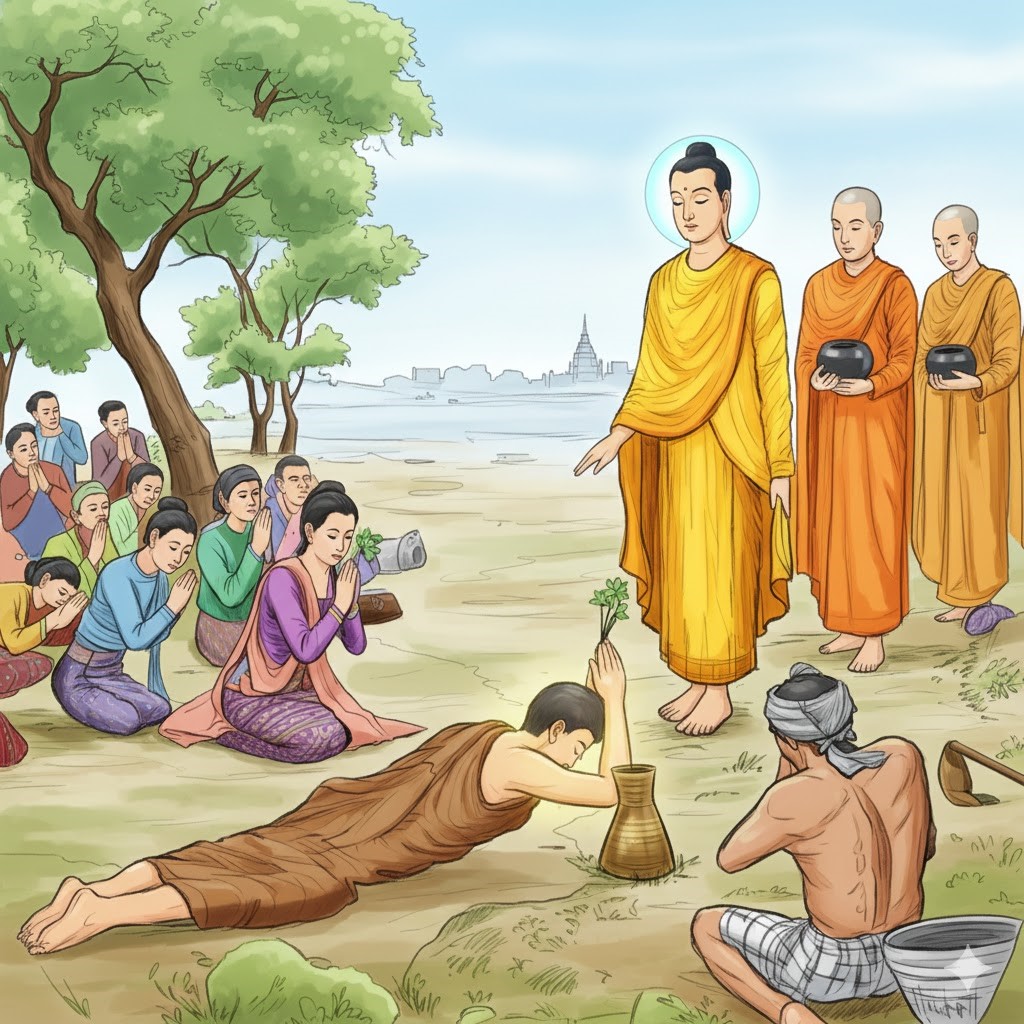
ဒီ ဃာဝု မင် းသားဟာ မိ မိ ၏မိ ဘများကိုသတ် ခဲ ့တဲ့ဗာရာဏသီ မင်းကိ ုရန် တု ံ့ပြန် ရန် အခွင့်အရေးရှိသော်လည်း ဖခင်၏ အဆုံးအမကို နားထောင် ခဲ့ပါတယ်။ရန်တုံ့မူ သဖြင ့ ်ရန် တိ ု့သည ် မငြိ မ် းကု န် ၊ရန် မတု ံ့မူ မှ သာလျှင ် ငြိ မ် းကု န် ၏ဆိ ုတဲ့အဆု ံးအမကိ ုပြန်လည် အမှတ်ရပြီး ရန်ငြိုးကို စွန့်လွှတ်ခဲ့ပါတယ်။။ နောက်ဆုံးမှာ ဗာရာဏသီ မင်းနဲ့ မိတ်ဆွေဖြစ်လာပြီး မိမိရဲ့ ထီးနန်းကိုပင် ပြန်လည်ရရှိခဲ့ပါတယ်။ ဒီဝတ္ထုဟာ မု န်းတီ းမှု ရဲ ့ဆိုးကျိုးနဲ ့ချစ် ခြင် းမေတ္တ ာရဲ ့အကျိုးကျေးဇူးကိုထင် ရှ ားစွ ာပြသပါတယ် ။
ကျွန်တော်တို့ နေ့စဉ်ဘဝမှာလည်း သူငယ်ချင်းချင်းဖြစ်ဖြစ်၊ လုပ်ဖော်ကိုင်ဖက် ချင်းဖြစ်ဖြစ် စိတ်ကောက်တာ၊ အမြင်မကြည်တာလေးတွေရှိတတ်ကြပါတယ်။ အဲ့ ဒီ အခါမျိုးမှ ာဒီ စကားလေးကိ ုသတိ ရလိ ုက် ပါ။
“Keep Love Long, Keep Hate Short”
The Myanmar proverb “Chit-Sa-Ko-Shay-Say, Mone-Sa-Ko-To- Say” (or “Keep love long, keep enmity short”) is a beautiful guideline for human relationships. It means that we should try to make our friendships and love last as long as possible, while getting rid of hatred or grudges as quickly as we can.
Love and kindness bring happiness and peace to our minds. On the other hand, holding onto hate only causes stress and misery. If we keep a grudge for a long time, it ends up hurting both the people around us. That is why this proverb encourages us to nurture good feelings and let go of bad ones quickly.
The Story of Prince Dighavu
The best example of this is the story of Prince Dighavu. Even though the King of Brahmadatta had killed his parents, the Prince chose not to take revenge when he had the chance. He remembered his father’s final advice:
“Do not look far (don’t keep long-term grudges), and do not look too short (don’t break off friendships quickly). Hatred is not settled by hate; it is only settled by love.”
Because he chose to “keep hate short” and let go of his anger, he eventually became friends with the King and even got his kingdom back. This story clearly shows that love wins over hate.
Choosing forgiveness is a powerful way to promote peace because it is often the best way to end a conflict. When you let go of anger, you also become happier and feel much lighter in your daily life. Ultimately, the greatest success comes from building bridges, as it allows you to turn an old enemy into a new friend.
စကားခြောက်ခွန်း၊ လူ၌ထွန်း၊ လေးခွန်းကိုပယ်၊ နှစ်ခွန်းတည်
The Six Types of Speech: “Discard Four, Keep Two”
လူ့လောကမှ ာစကားပြောဆိုပု ံခြောက်မျိုးရှိတယ်လိ ု့မြတ်စွ ာဘုရားကဟောကြားခဲ ့ပါတယ် ။ဒါပေမဲ့ အဲ ့ဒီ ခြောက် မျိုးလု ံးကိ ု ပြောလိ ု့မရပါဘူ း။ “လေးခွ န် းကိ ုပစ်ပယ်ပြီး နှစ်ခွန်းကိုပဲ တည်” (သုံးစွဲ) ရမယ်လို့ ဆိုရိုးရှိပါတယ်။ ဒါဟာ စကားပြော ရာမှ ာအကျိုးရှ ိဖိ ု့နဲ ့သတိ ထားဖိ ု့အလွ န် အရေးကြီ းတ ဲ့လမ် းညွှ န် ချက် ပါ။
စကား ၆ မျိုးဆိ ုတာ ဘာတွေ လဲ ?
အချက် ၃ ချက် ပေါ် မူ တည် ပြီ းခွ ဲခြားထားတာပါ - (၁) မှ န် ကန် မှု ရှ ိလား (၂) အကျိုးရှ ိလား (၃) တစ် ဖက် လူ နှ စ် သက် လား ဆိ ုတာပါပဲ ။
မှ န် တယ် ၊အကျိုးရှ ိတယ် ၊နားထောင် သူ နှ စ် သက် တယ ် (ဒါမျိုးကိ ုပြောရမယ် )။
မှ န် တယ် ၊အကျိုးရှ ိတယ် ၊ဒါပေမဲ ့နားထောင် သူ မနှ စ် သက် ဘူ း(အကျိုးရှ ိမယ် ဆိ ုရင ် ဒါမျိုးကိ ုလည် းပြောသင့ ်တဲ ့အချိ န် မှ ာပြောရမယ် )။
မှ န် တယ် ၊ဒါပေမဲ ့အကျိုးမရှ ိဘူ း၊ နားထောင် သူ တော ့ နှ စ် သက် တယ ် (ဒါမျိုးကိ ုပယ်ရမယ်)။
မှ န် တယ် ၊ဒါပေမဲ့အကျိုးလည် းမရှ ိဘူ း၊ နားထောင် သူ လည် းမနှ စ် သက် ဘူ း(ဒါ မျိုးကိ ုပယ် ရမယ် )။
မမှ န် ဘူ း၊ အကျိုးလည် းမရှ ိဘူ း၊ ဒါပေမဲ ့နားထောင် သူ နှ စ် သက် တယ ် (ဥပမာ- မြှေ ာက် ပင့ ်စကား။ ဒါမျိုးကိ ုပယ် ရမယ် )။
မမှ န် ဘူ း၊ အကျိုးလည် းမရှ ိဘူ း၊ နားထောင် သူ လည် းမနှ စ် သက် ဘူ း(ဒါမျိုးကိ ုပယ်ရမယ်)။
ဘာကြောင့် ဒီဆိုရိုးကို လိုက်နာသင့်တာလဲ?
လောကမှာ စကားဟာ ဓားသွားထက်တောင် ထက်ပါတယ်။ “မှန်ကန်ပြီး အကျိုးရှ ိဖိ ု့”ကအဓိ ကပါ။ တစ် ခါတလေကိ ုယ် ပြောလိ ုက် တဲ ့စကားကမှ န် တော့ မှ န် တယ်၊ ဒါပေမဲ့ တစ်ဖက်လူအတွက် ဘာမှလည်း အသုံးမကျဘူးဆိုရင် အဲ့ဒီစကားကအလကားပါပဲ။
မြတ် စွ ာဘု ရားကိ ုယ် တိ ုင် ကတောင ် စကားပြောတဲ ့အခါ မှ န် ကန် မှု နဲ ့အကျိုးရှ ိမှု ပါမှသာ ပြောဆိုလေ့ရှိပါတယ်။ တစ်ဖက်လူကသဘောကျတာ၊ မကျတာထက် (အကျိုးရှ ိမယ် ဆိ ုရင် )မှ န် ကန် တဲ ့စကားကိ ုပဲ ရွေ းချယ် ပြောဆိ ုဖို့သင်ကြားပေးခဲ ့တာပါ။
အကျိုးမရှ ိတဲ ့အပိ ုစကားတွေကိ ုရှောင်ကြဉ် တာကကိ ုယ့ ်ရဲ ့တန် ဖိ ုးကိ ုပိ ုမြင့ ်စေပါတယ်။
The Six Types of Speech: “Discard Four, Keep Two”
There is a wise Burmese proverb that says: “Six types of speech exist among humans; discard four and keep only two.” This teaching, originally from the Buddha, serves as a great guide for mindful and effective communication.
What are the 6 Types of Speech?
To communicate effectively, you should evaluate what you say based on whether it is true, useful, and pleasing to the listener. You should always keep and share information that is true, useful, and pleasant to hear. If something is true and useful but unpleasant – like a hard truth – you should still keep it, but wait for the right time to say it. However, you should discard anything useless or false, even if it sounds good, as well as anything harmful, dishonest, or insulting.
Why follow this rule?
In this world, words can be sharper than a sword. The most important things are Truth and Benefit. Sometimes we say things just because they are true, but if they don’t help anyone or bring any value, those words are a waste of time.
Even the Buddha only spoke words that were both true and beneficial. He taught that as long as a word is helpful and true, it should be said—even if the listener might find it difficult to hear at first.
The Bottom Line
To practice “Right Speech,” you should always ask yourself if what you are about to say is both true and useful. By focusing only on words that meet these two criteria and avoiding useless or dishonest talk, you naturally increase your personal value. This habit not only helps you communicate more effectively but also helps you build stronger, more meaningful relationships with others.