By Si Thu Kyaw (MoHTC)
MYANMAR is a nation richly endowed with cultural traditions and heritage. From its own language, customs, cuisine, traditional attire, music, dance, and arts to its historical monuments, religious structures, and unique ways of life, both tangible and intangible cultural elements continue to flourish in magnificent diversity. A form of tourism rooted in these cultural inheritances has long existed prominently in Myanmar. For this reason, Myanmar has traditionally been introduced to the world tourism community as a “cultural destination”.
Within the tourism sector, the mere mention of Myanmar often brings to mind Bagan, followed by Mandalay and Sagaing – world-renowned destinations where visitors can vividly experience the country’s rich cultural heritage. Likewise, the colonial-era buildings in Yangon evoke memories of history and stand as tangible representations of Myanmar’s cultural legacy. Beyond these physical attractions, the intangible cultural traditions of Myanmar’s ethnic communities have also earned recognition on the global tourism stage.
Myanmar is not alone in utilizing its cultural wealth to promote tourism. Countries across the world that possess rich cultural heritage actively showcase and promote their cultural assets, striving for recognition through international heritage listings and preservation initiatives. Consequently, Cultural Tourism and Heritage Tourism have become indispensable components within the tourism development agendas of many nations. It has even been remarked in a tourism workshop that to truly understand a country’s tourism industry, one must first study its culture, traditions, and heritage sites.
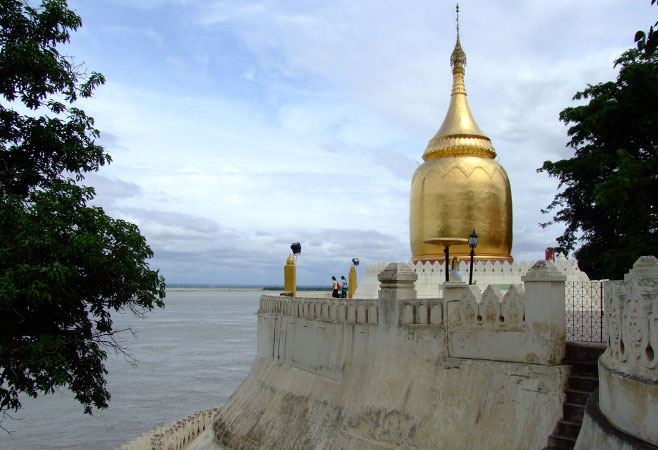
During a pilgrimage to Bagan, I once gazed peacefully upon the graceful Bu Pagoda standing along the Ayeyawady River while viewing it from a small boat drifting upon the water. The river flowed continuously beneath the pagoda, symbolizing movement without end. In many ways, tourism resembles that river, constantly flowing and continuously evolving.
As tourism studies became more widely discussed within academic institutions, scholars increasingly emphasized the multidimensional nature of tourism. Tourism is economic in nature. It promotes peace. It contributes to the preservation of culture and the environment. It creates opportunities for women, youth, and marginalized communities. Today, in the age of information technology and digital transformation, tourism continues to move dynamically alongside technological progress.
This raises an important question: Is cultural tourism evolving in step with the modern era? The words “culture” and “modernity” may at first appear contradictory. I once encountered this debate during an online tourism discussion forum where participants questioned whether promoting cultural tourism in the digital age could be considered conservative. Initially, one may confuse the term “conservative” with “conservation”. However, the debate centred on whether reviving and promoting cultural tourism in the digital era represents a return to outdated traditions or even a step backwards against modernization.
Although merely theoretical discussions, such debates are highly valuable because conversations specifically focused on cultural tourism have become increasingly rare today. More attention is now given to other tourism-related policies and emerging trends. Likewise, tourism research and academic writings have diversified significantly, leading scholars to explore a wide range of contemporary tourism topics rather than concentrating solely on cultural tourism.
Returning to the original question, it is impossible to definitively state whether cultural tourism is inherently conservative. This is because Cultural Tourism simultaneously embodies both conservation and development. On one hand, cultural tourism seeks to preserve historical heritage, traditional lifestyles, ethnic customs, festivals, clothing, and artistic expressions from disappearing. Religious sites, pagodas, festivals, and sacred spaces often enforce restrictions against inappropriate attire, disrespectful behaviour, alcohol consumption, and drug use. Such regulations exist not only in Myanmar but also in Buddhist-majority countries such as Thailand, Laos, and Cambodia, all of which actively promote tourism while preserving their cultural values.
Similarly, many heritage destinations prohibit the construction of modern buildings and uncontrolled commercial development within heritage zones. Areas are carefully divided into Heritage Zones, Buffer Zones, and Commercial Zones to ensure proper management. Guidelines outlining acceptable and unacceptable behaviour are also established to protect the lifestyles and traditions of local communities.
Therefore, promoting culture in tourism does not mean altering or commercializing culture itself. Rather, it means utilizing culture as a medium through which tourism can be developed. If tourism expansion relies on imitating, distorting, or excessively modifying cultural traditions merely to attract visitors, the authenticity of the culture will eventually be lost, threatening the sustainability of tourism itself.
At the same time, there are also strong reasons why cultural tourism cannot simply be labelled conservative. As previously mentioned, tourism is inherently dynamic and constantly evolving. When tourism is developed based on cultural heritage, infrastructure, and local communities, it generates tax revenues for governments and creates employment and income opportunities for local people. In this sense, cultural tourism is progressive and development-oriented.
Japan serves as an excellent example. Despite being one of the world’s most technologically advanced nations, cultural tourism remains one of the primary driving forces behind Japan’s tourism industry. In 2025, Japan welcomed over 40 million international tourists, and studies indicate that nearly 70 per cent of these visitors travelled specifically to experience Japanese culture. Major cultural attractions include historical temples and heritage sites, traditional festivals and performing arts, Japanese cuisine, and kimono culture.
Furthermore, Japan continues to preserve and promote “Omotenashi”, the deeply rooted Japanese spirit of hospitality, within its tourism and hospitality sectors. Thus, cultural tourism exists delicately between preservation and progress.
While visiting Japan, I once experienced its famous traditional ramen. Although the dish retained its authentic cultural essence, the dining experience itself reflected modern innovation, cleanliness, and technological advancement. In other words, Japan enhances visitor experiences through innovation without compromising the authenticity of its cultural heritage.
The same principle can be observed throughout Japan’s tourism destinations. The country possesses 26 UNESCO World Heritage Sites, of which the vast majority are cultural heritage sites. These heritage locations are carefully preserved while also being made highly accessible and convenient for visitors through modern infrastructure and technology. As a result, tourists experience both cultural authenticity and technological sophistication simultaneously. Therefore, Japan’s cultural tourism can be described as both conservative and progressive at the same time.
In today’s technological era, the flow of tourism continues to accelerate rapidly. Artificial Intelligence (AI) has already become integrated into many aspects of the tourism industry. Significantly, the theme for World Tourism Day 2026 is “Digital Agenda and Artificial Intelligence to Redesign Tourism”. This theme highlights the importance of reshaping tourism through digital technology and AI.
Amid global conflicts, economic crises, and climate change, the tourism industry must adapt swiftly to remain resilient and sustainable. Moreover, overtourism at major destinations must be effectively managed to ensure long-term sustainability, particularly in cultural heritage sites and cultural tourism destinations.
Therefore, for cultural tourism to continue contributing meaningfully to national economies and sustainable development, it is essential to preserve the past, utilize the present wisely, and build the future responsibly.