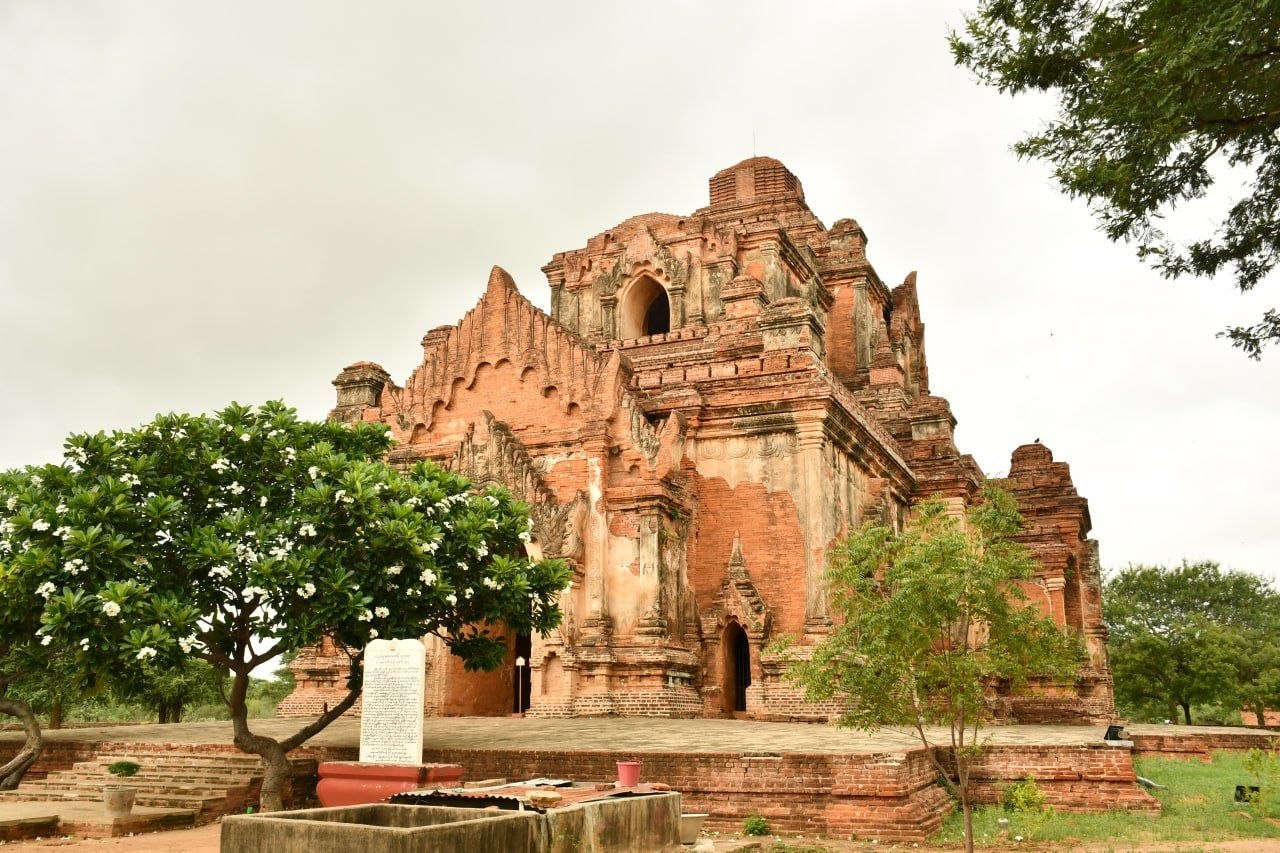
VISITORS arriving in Bagan Ancient Cultural Heritage Zone in NyaungU Township, Mandalay Region, can visit the Panthaku Mahathera Temple and observe its architectural designs, according to officials from the Department of Archaeology and National Museum (Bagan Branch).
The Panthaku Mahathera Temple was also known as the “Thabeik Hmauk Pagoda” named after the boycott carried out by Shin Panthaku Mahathera. It is also said that the pagoda was built using surplus bricks left over after the construction of the Culamani temple. Historical records indicate that King Narapati Sithu built the pagoda in 1186 AD. According to the historical records, the structure was built in a style similar to the Sulamani temple.
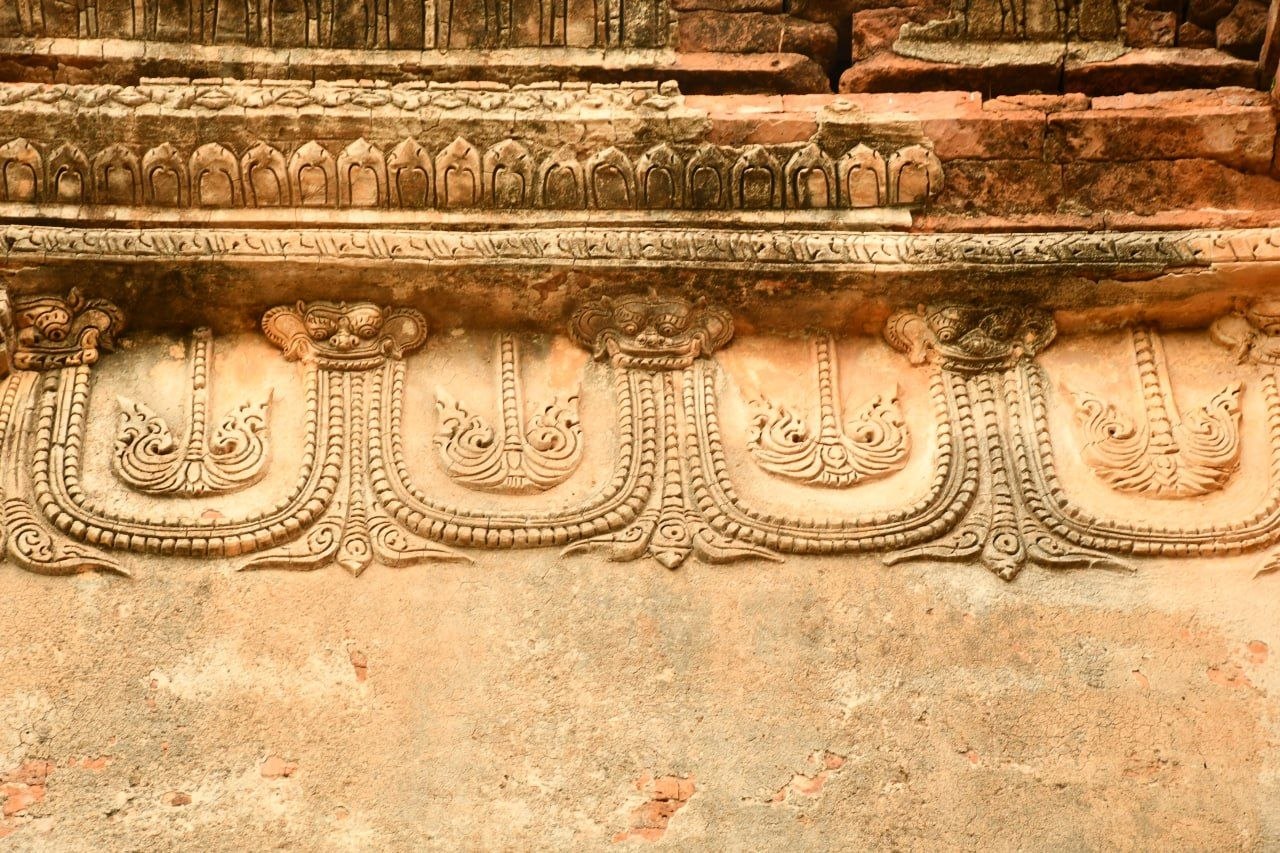
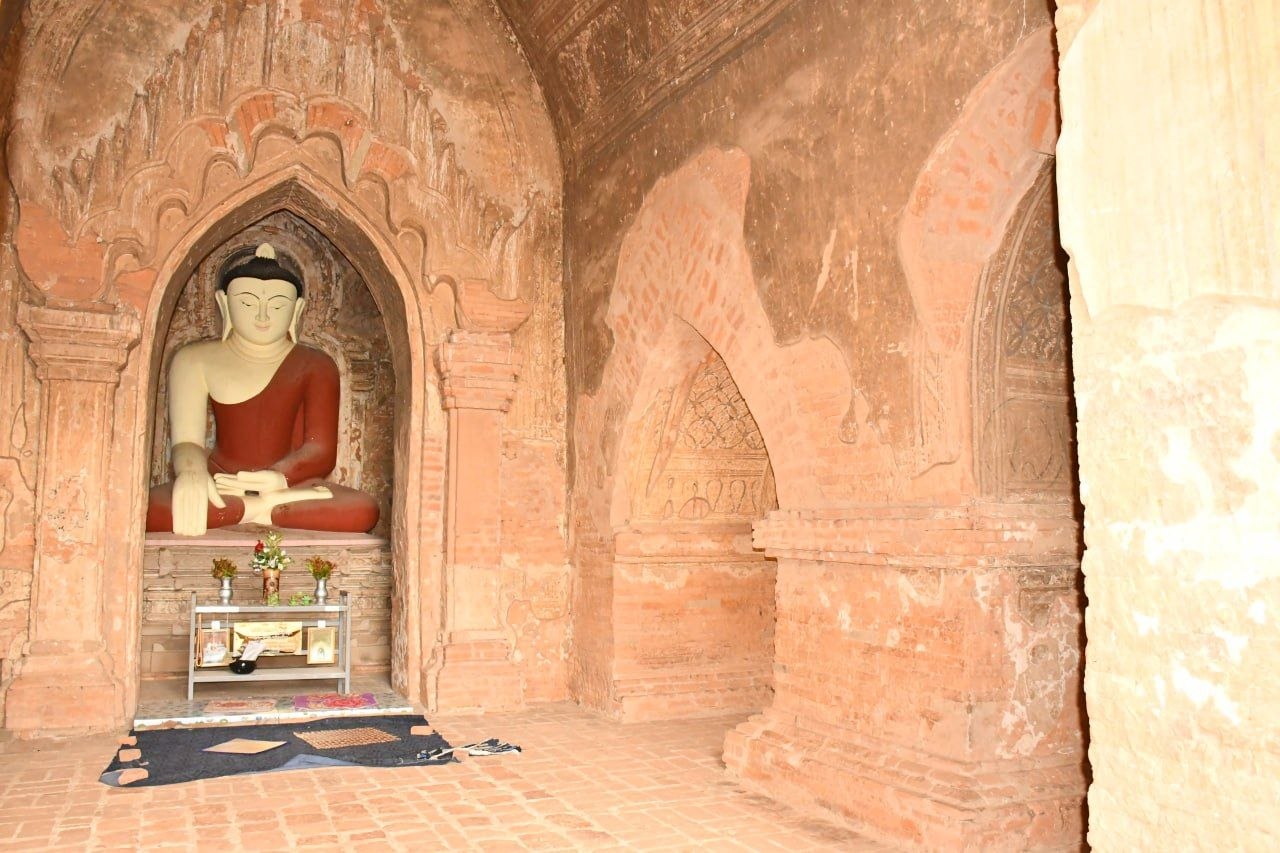
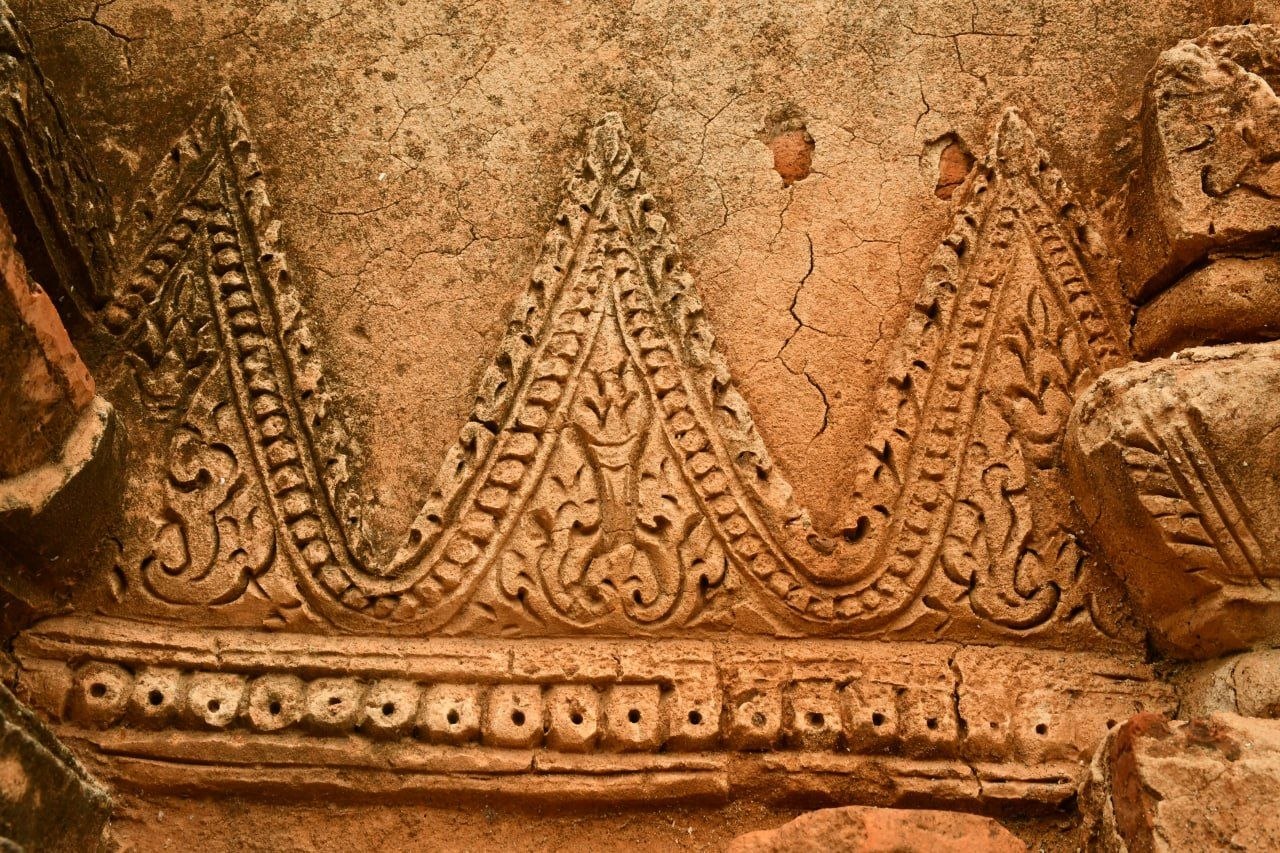
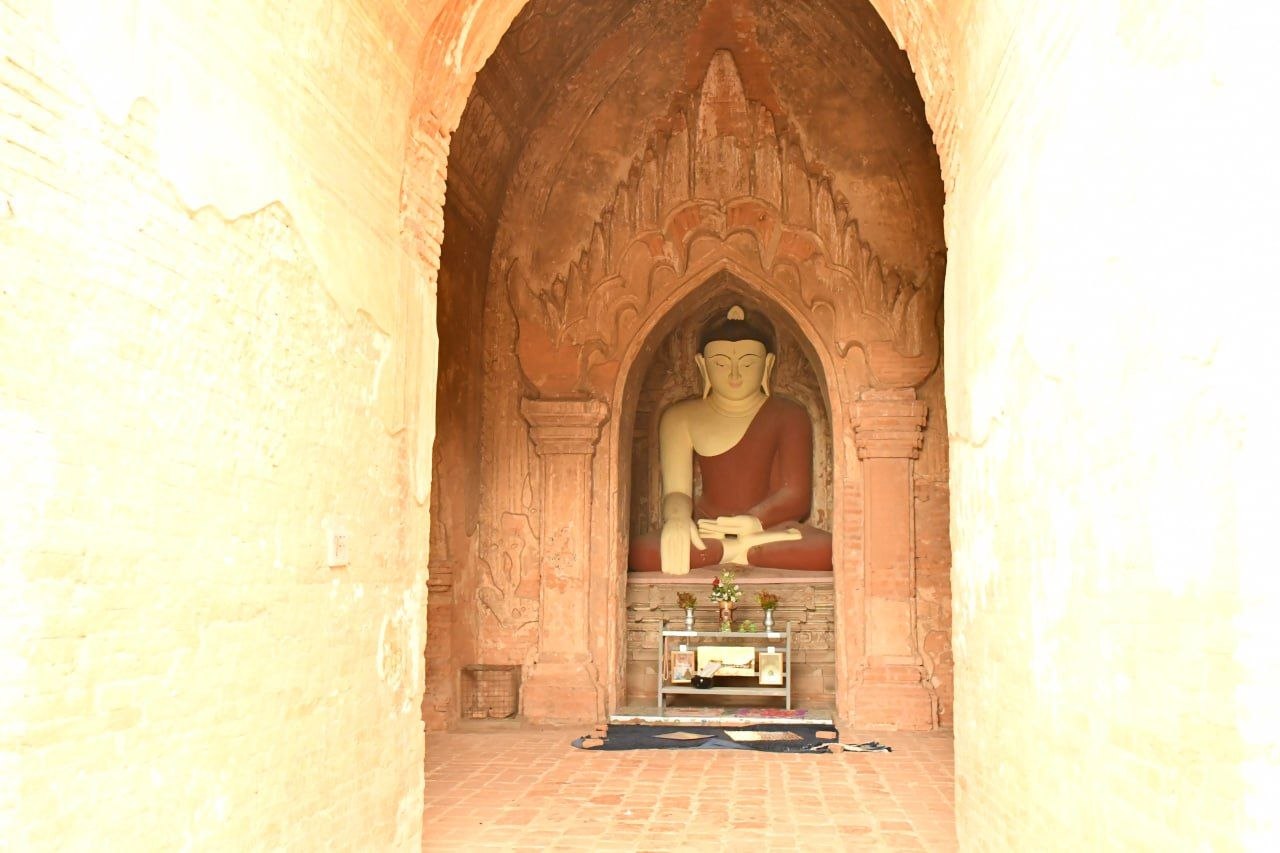
The pagoda is a three-storey cave temple. It suffered damage inside due to the 1975 earthquake and sustained further destruction during the 2016 earthquake. The Thabeik Hmauk Pagoda, also called the Panthaku Mahathera Temple, is an east-facing cave temple where visitors can pay homage to a fairly large seated Buddha image facing east. Inside the temple, the ceilings and walls are covered with detailed floral artworks inside circular mural patterns without any gaps, banyan leaf-shaped mural designs, and paintings depicting seated Buddha images. The interior also features remarkable architectural designs with excellent ventilation and lighting systems, along with original stalactites and diamond-pattern ornamental works that can still be observed.
Around the Thabeik Hmauk or Panthaku Mahathera Temple, visitors can also explore nearby sites such as the Culamani Pagoda, U Kyi Pwae Monastery, Dhammayangyi Pagoda to the west, the Ko Mauk Gyi scenic mound to the north, the Nyaung Letphet mound to the south, and the Pyatthatgyi Pagoda and Hsinbyushin Brick Monastery to the east and southeast. — Dipa Lin/ KTZH