
4 March 2026
By Dr Aung Tun
CONTINUED FROM YESTERDAY
f. Psychological Factors
• Emotional eating, stress eating, and binge eating disorder contribute significantly.
• Depression, anxiety, and chronic stress elevate cortisol levels, promoting central adiposity.
• Weight stigma and discrimination paradoxically worsen outcomes by triggering avoidance of healthcare and increasing psychological distress.
g. Medications and Medical Conditions
• Certain medications (corticosteroids, antidepressants, antipsychotics, insulin, beta-blockers) promote weight gain.
• Medical conditions such as hypothyroidism, polycystic ovary syndrome (PCOS), Cushing's syndrome, and sleep apnoea are associated with obesity.
6. Health Consequences
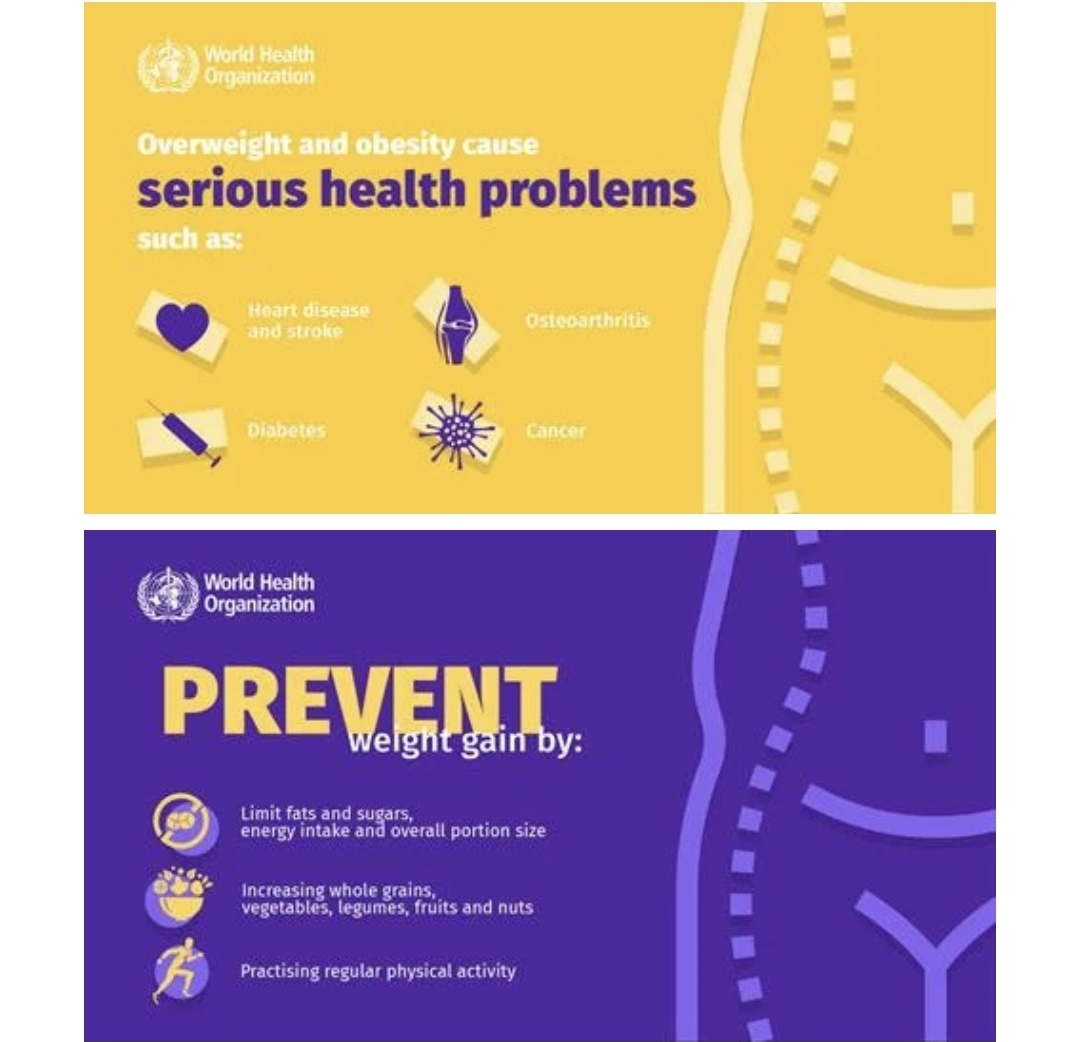
Obesity is not merely a cosmetic concern. It is a disease that significantly increases the risk of a wide range of serious, often life-threatening conditions. The health consequences of obesity span multiple organ systems and substantially reduce quality of life and life expectancy.
a. Metabolic Diseases
• Type 2 Diabetes Mellitus (T2DM): excess adiposity — especially visceral fat – drives insulin resistance. Obese individuals have a seven-fold higher risk of developing T2DM compared to those with normal weight. Myanmar faces a growing T2DM burden, with an estimated prevalence of 10-12 per cent in urban adults.
• Metabolic Syndrome: a cluster of conditions including abdominal obesity, dyslipidaemia, hypertension, and hyperglycaemia that dramatically elevates cardiovascular risk.
• Non-Alcoholic Fatty Liver Disease (NAFLD)/Steatohepatitis (NASH): affecting up to 25-30 per cent of obese individuals and capable of progressing to cirrhosis and liver cancer.
b. Cardiovascular Disease
• Obesity is an independent risk factor for hypertension, coronary artery disease, heart failure, atrial fibrillation, and stroke.
• Each 5 kg/m² increase in BMI above normal raises the risk of coronary heart disease by approximately 27 per cent.
• Cardiovascular diseases are the leading cause of death in Myanmar, and obesity contributes significantly to this burden.
c. Cancers
Obesity is a recognized risk factor for at least 13 types of cancer, including cancers of the breast (postmenopausal), endometrium, colorectum, kidney, oesophagus, pancreas, liver, gallbladder, stomach (cardia), thyroid, and meningioma. Worldwide, obesity-related cancers account for approximately 4– 8 per cent of all cancer diagnoses.
d. Respiratory and Sleep Disorders
• Obstructive Sleep Apnoea (OSA): affects up to 40-70 per cent of individuals with severe obesity; characterized by repeated nocturnal oxygen desaturation leading to daytime somnolence, hypertension, and cardiovascular risk.
• Obesity Hypoventilation Syndrome: reduced respiratory drive and hypercapnia in severely obese individuals.
• Worsening of asthma and reduced exercise tolerance.
e. Musculoskeletal Complications
• Osteoarthritis of weight-bearing joints (knees, hips, ankles) is a major cause of disability and impaired mobility.
• Chronic low back pain.
• Increased risk of fractures and impaired wound healing.
f. Mental Health Impact
• Depression: obesity and depression share bidirectional links; each condition increases the risk of the other.
• Anxiety disorders, low self-esteem, body image disturbance, and social withdrawal.
• Childhood and adolescent obesity are associated with bullying, social exclusion, and lower academic performance.
g. Reproductive Health
• In women: irregular menstrual cycles, PCOS, infertility, gestational diabetes, pre-eclampsia, and complications during labour and delivery.
• In men: hypogonadism, reduced testosterone levels, and erectile dysfunction.
• Intergenerational effects: maternal obesity programmes offspring for higher adiposity and metabolic disease risk.
h. Economic and Social Burden
Beyond individual health, obesity creates profound social and economic costs, including reduced workforce productivity, higher absenteeism, increased healthcare expenditure, and strain on national health systems. Myanmar's health system – still recovering from the COVID-19 pandemic and other disruptions – has limited capacity to absorb a large-scale obesity-driven NCD epidemic.
7. Management of Obesity
Effective obesity management requires a comprehensive, person-centred, multidisciplinary approach. It is important to understand that obesity is a chronic, relapsing disease — not a personal failing — and that sustained, long-term support is essential for successful outcomes.
a. Lifestyle Interventions
Dietary therapy: No single diet is superior for all individuals, but effective dietary approaches generally emphasize a moderate caloric deficit (500–750 kcal/day below estimated needs), reduced consumption of ultra-processed foods and sugary beverages, increased dietary fibre (vegetables, fruits, whole grains, legumes), and a culturally appropriate, sustainable eating pattern. In Myanmar, practical strategies include reducing fried foods and sweetened tea intake, increasing vegetable portions in traditional meals, and choosing boiled or steamed preparations over deep-fried options.
Physical activity: The WHO recommends at least 150–300 minutes of moderate-intensity aerobic activity per week for adults, plus muscle-strengthening activities on two or more days per week. For weight loss, higher volumes (≥ 250 min/week) are often required. Walking, cycling, dancing, household chores, and traditional Myanmar physical activities (e.g., Chinlone) are all effective and accessible options.
Behavioural therapy: Cognitive-Behavioural Therapy (CBT), motivational interviewing, goal setting, self- monitoring (food diaries, step counting), stimulus control, and social support networks form the backbone of behavioural intervention for obesity.
b. Medical Management
Pharmacotherapy: Anti-obesity medications (AOMs) are indicated as adjuncts to lifestyle modification for individuals with BMI ≥ 30, or ≥ 27.5 (Asian cut-offs) with obesity-related comorbidities. Currently approved agents include orlistat, GLP-1 receptor agonists (semaglutide, liraglutide), and combinations such as naltrexone/ bupropion and phentermine/topiramate. GLP-1 receptor agonists have demonstrated remarkable efficacy, with semaglutide (2.4 mg/ week) achieving a mean weight loss of 15-17 per cent in clinical trials. Access to these medications in Myanmar remains limited, and cost is a significant barrier.
c. Surgical Management
Bariatric surgery (e.g., Roux-en-Y gastric bypass, sleeve gastrectomy) is indicated for carefully selected patients with BMI ≥ 40, or ≥ 37.5 (Asian) with severe comorbidities, who have failed sustained non-surgical management. Bariatric surgery produces significant, durable weight loss and remission of T2DM in the majority of patients. Bariatric services are limited in Myanmar and remain largely inaccessible to the general population.
d. Psychological and Social Support
Given the significant mental health burden associated with obesity and weight stigma, psychological support, including counselling, peer support groups, and community-based mental health services, is an essential component of comprehensive obesity care. Healthcare providers in Myanmar are encouraged to adopt weight-neutral, non-stigmatizing language and practice compassionate, patient-centred care.
8. Prevention: What to Do and What to Avoid
Prevention is the most powerful and cost-effective strategy against obesity. The following evidence-based guidance is tailored for Myanmar communities, drawing on both global recommendations and local context.
a. What to DO
• Eat a balanced, diverse diet rich in vegetables, fruits, whole grains, legumes, and lean proteins at every meal.
• Choose traditional Myanmar foods that are naturally nutritious: soups (Hin), steamed fish, tofu, lentils (Pepyoke), and a wide variety of local vegetables.
• Drink water as your primary beverage – aim for 6-8 glasses per day. Replace sugary drinks (soft drinks, sweetened tea, energy drinks) with plain water or unsweetened herbal teas.
• Be physically active every day: aim for at least 30 minutes of brisk walking or equivalent moderate exercise. Incorporate activity into daily routines — walk or cycle to school/work, take stairs, engage in household tasks actively.
• Ensure children and adolescents get at least 60 minutes of moderate-to-vigorous physical activity daily, as recommended by WHO.
• Practise mindful eating: eat slowly, savour meals, avoid distractions (screens) while eating, and stop when comfortably full.
• Maintain regular meal times and avoid skipping breakfast – irregular eating patterns are associated with higher obesity risk.
• Monitor weight and waist circumference regularly. Know your BMI and waist circumference. Seek healthcare advice if values exceed healthy thresholds.
• Prioritize seven-nine hours of quality sleep each night – sleep deprivation disrupts appetite-regulating hormones (leptin and ghrelin) and promotes weight gain.
• Manage stress through healthy coping strategies: exercise, social connection, hobbies, mindfulness, or prayer – not food.
• Breastfeed infants exclusively for the first 6 months of life – breastfeeding is protective against childhood obesity.
• Attend regular health check-ups and screenings for blood pressure, blood glucose, and cholesterol — especially if overweight.
• Support children's healthy habits at home: limit screen time (≤ two hours/day for school-age children), encourage outdoor play, and provide nutritious family meals.
b. What to AVOID
• Avoid consuming large quantities of ultra-processed foods: instant noodles, fried snacks, fast food, packaged biscuits, and high-sugar pastries.
• Avoid sugar-sweetened beverages: carbonated soft drinks, sweetened condensed milk tea, energy drinks, and commercial fruit juices with added sugars.
• Avoid prolonged sedentary behaviour: sitting or lying down for more than two-three hours without breaks. Stand up and move every 30-60 minutes, particularly during work or study.
• Avoid excessive screen time – especially for children and adolescents. Smartphone and social media use displaces physical activity and is associated with poorer dietary choices.
• Avoid late-night eating, large late meals, and snacking after dinner – timing of food intake affects metabolic health.
• Avoid relying on crash diets, extreme caloric restriction, or unproven weight-loss products and supplements – these are ineffective long-term and may be harmful.
• Avoid weight stigma and body-shaming – these worsen mental health and reduce engagement with healthy behaviours. Foster a supportive, compassionate home and school environment.
• Avoid alcohol – alcohol is calorie-dense (7 kcal/gram), stimulates appetite, and impairs metabolic function.
• Avoid purchasing food primarily based on price and convenience without considering nutritional value — read labels where available.
• Avoid assuming that being thin means being healthy — metabolically obese normal-weight (MONW) individuals may have unhealthy fat distribution and lifestyle risks.
9. Call to Action — World Obesity Day 2026
The World Obesity Federation's call to action for 2026 addresses five key stakeholder groups:
For Individuals and Families
• Take charge of your health today – make one positive dietary or physical activity change this week.
• Talk openly about weight and health with family members, without blame or shame.
• Share evidence-based information about obesity within your community and on social media.
• Advocate for your right to compassionate, non-stigmatizing healthcare.
For Healthcare Professionals
• Adopt a compassionate, patient-centred approach to discussing weight – use people-first language ("person living with obesity" rather than "obese person").
• Screen proactively for overweight, obesity, and related comorbidities at every clinical encounter.
• Provide evidence-based, multidisciplinary treatment and refer appropriately.
• Engage in continuing medical education (CME) on obesity as a chronic disease.
For Schools and Educational Institutions
• Implement comprehensive, age-appropriate nutrition and physical activity education in the curriculum.
• Create healthy food environments in school canteens — limit sugary drinks and ultra-processed snacks.
• Provide daily structured physical education and safe spaces for unstructured play.
• Foster anti-bullying environments and address weight-based stigma among students.
For Communities and Local Leaders
• Advocate for urban planning that supports active transport: safe footpaths, cycling infrastructure, and accessible parks.
• Support local farmers' markets and community gardens to improve access to fresh, affordable produce.
• Organize community health fairs, wellness walks, and public fitness events.
• Engage religious leaders, community elders, and women's groups as champions for healthy lifestyle promotion.
For Policymakers and Government
• Develop and implement a National Obesity Prevention and Control Strategy for Myanmar, aligned with the WHO Global Action Plan for NCDs
.
• Introduce fiscal policies: taxes on sugar-sweetened beverages; subsidies on fruit, vegetables, and whole grains.
• Implement mandatory front-of-pack nutritional labelling on processed foods.
• Regulate the marketing of unhealthy foods and beverages to children.
• Integrate obesity screening and management into primary healthcare and national NCD programmes.
• Fund research on the epidemiology, determinants, and cost-effective interventions for obesity in Myanmar.
10. Conclusion
Obesity is one of the defining public health challenges of the 21st century — a multifactorial, chronic disease with devastating consequences for individuals, families, communities, and nations. It is no longer a distant problem of wealthy societies; it is here, it is growing, and it is preventable.
Myanmar stands at a critical juncture. The country's adolescents — as documented in GSHS 2016 — are already exhibiting the behavioural risk factors that predict rising obesity rates in the coming decades: physical inactivity, poor dietary patterns, and excessive sedentary time. The window for effective preventive action is now.
World Obesity Day 2026 reminds us that breaking the barriers to healthier lives requires action at every level — from the individual choices we make at the dinner table to the policies that shape our food and physical environments. Obesity is not an individual failure; it is a societal challenge that demands a societal response.
Every person, family, school, healthcare facility, community organization, and government body has a role to play. Let us use this World Obesity Day to commit to meaningful, sustained action — for ourselves, for our children, and for the health of our nation.
"Your health is your most valuable asset. Protect it — today, together."
References
1. World Obesity Federation. (2023). World Obesity Atlas 2023. London: World Obesity Federation. Available at: www.worldobesity.org
2. World Health Organization. (2024). Obesity and Overweight: Key Facts. Geneva: WHO. Available at: www.who.int/news-room/ fact-sheets/detail/obesity-and-overweight
3. World Health Organization & Ministry of Health, Republic of the Union of Myanmar. (2016). Myanmar Global School-based Student Health Survey (GSHS) 2016: Country Report. Geneva: WHO.
4. World Obesity Federation. (2026). World Obesity Day 2026: Breaking Barriers to Healthier Lives. Available at: www.worldobesityday.org
5. NCD Risk Factor Collaboration (NCD-RisC). (2024). Worldwide trends in underweight and obesity from 1990 to 2022: a pooled analysis of 3663 population-representative studies with 222 million children, adolescents, and adults. The Lancet, 403(10431), 1027–1050.
6. World Health Organization. (2022). WHO Acceleration Plan to Stop Obesity. Geneva: WHO. Available at: www. who.int
7. Rubino, F, Cummings, DE, Eckel, RH, et al (2025). Definition and diagnostic criteria of clinical obesity. The Lancet Diabetes & Endocrinology, 13(3), 221–262. DOI: 10.1016/S2213-8587(24)003