By A Retired Law Officer
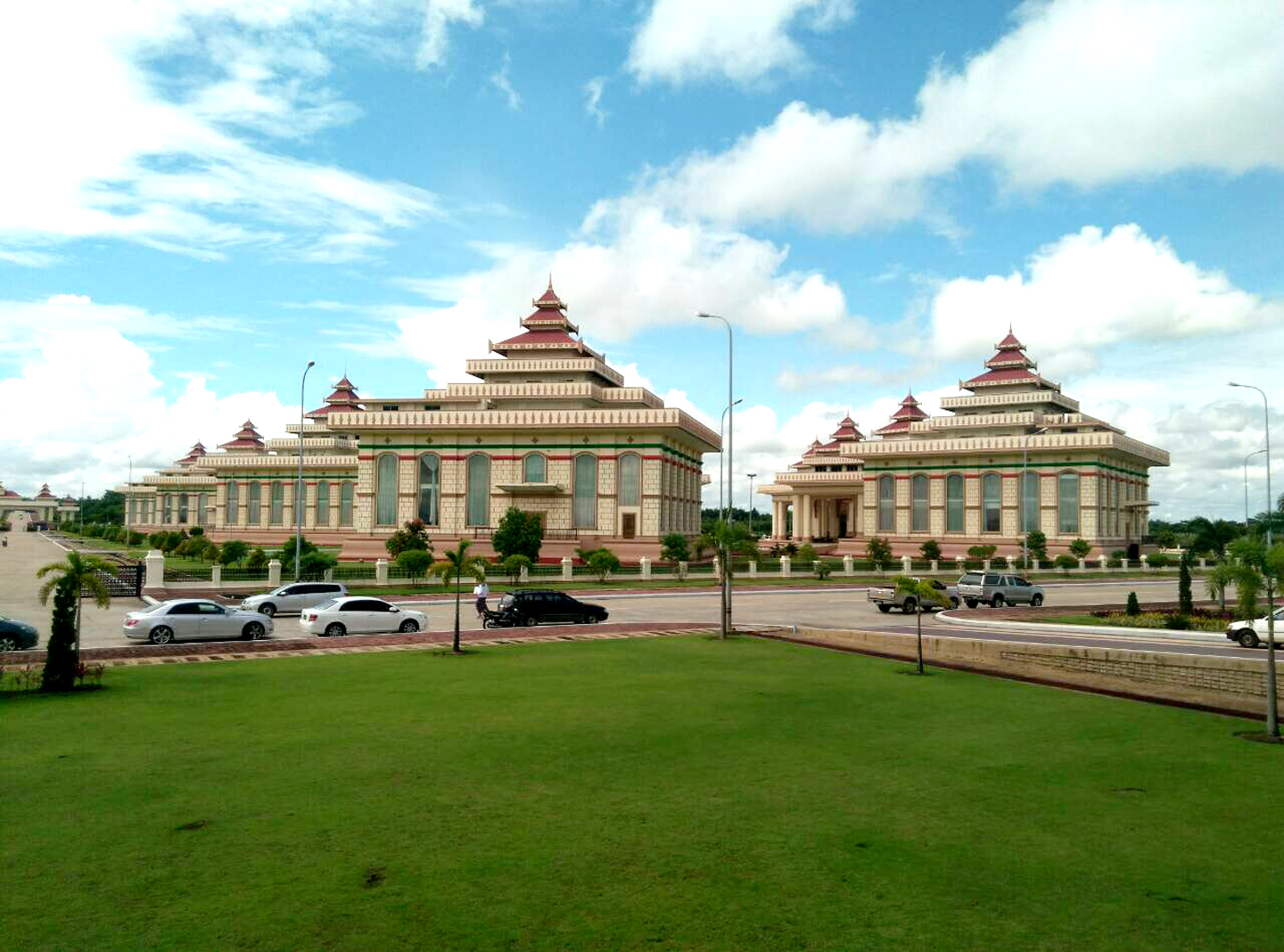
THE people of a State are the source of its sovereign power. The Members of Parliament, who are chosen by the people, use this authority. In a democracy, the people themselves hold the power and can use it directly or through representatives they have freely chosen. A parliament, which is made up of elected and occasionally appointed representatives, is the highest legislative body and is in charge of representing the people. Although it is known as Parliament in the majority of States, it goes by other names in some, including Diet in Japan, Congress in the United States, the National People’s Congress in China, and Duma in the Russian Federation. Bicameral Parliaments, which have two chambers, exist in certain States. Certain States have Unicameral Parliaments, meaning they only have one chamber. Pyithu Hluttaw and Amyotha Hluttaw make up Myanmar’s Pyidaungsu Hluttaw, a bicameral parliament. Furthermore, the 2008 Constitution also establishes Region and State Hluttaws. The qualifications and quantity of Members of Parliament are provided in the respective constitutions.
The three main powers of State sovereignty are legislative, executive, and judiciary. Parliament, primarily referred to as the legislature, is responsible for granting legislative power. It is referred to differently by the Constitution in some countries. The legislatures are made up of either People’s Representatives or Members of Parliament (in Myanmar, Hluttaw Representatives). Pyidaungsu Hluttaw is the term used to describe it in Myanmar. Parliament is made up of the people’s elected members who serve in the legislature. The primary duty of Parliament is legislation. The process of legislation is conducted in accordance with the Constitution and the relevant laws and regulations. Once a bill is approved by the legislature (in Myanmar, Pyidaungsu Hluttaw), the President formally signs the bill and subsequently enacts it as a law.
Although their duties are generally the same, members of Parliament have slightly different responsibilities depending on their respective constituencies.
Legislation
A member of Parliament’s primary responsibility is to enact laws. A member of parliament is required to propose new laws that are necessary for the nation. It is necessary for the parliament to discuss, debate, and vote on the proposed laws. Additionally, they review and supervise the current laws and make any necessary amendments, repeals, or replacements.
Representation
Members of Parliament ensure that the needs and concerns of their local constituency are brought up in Parliament by representing their voters and serving as their voice.
Check and Balance
In order to maintain checks and balances between the legislative, administrative, and judicial branches of government, the majority of nations in the world implement the constitutional principle of separation of powers. Members of Parliament are responsible for monitoring the government and public services as well as reviewing government policies.
Committee Work
Parliaments create committees and commissions in accordance with their respective constitutions. For example, the Human Rights Committee, the Bill Committee, the Public Accounts Committee, the Health and Sports Committee, and so forth. It is the duty of members of parliament to take part in their committees and commissions.
Party Responsibilities
The majority of Parliamentarians are representatives of political parties, but some are independent candidates. Parliamentarians from various political parties collaborate with their party to develop consensus and shape policy.
Myanmar Hluttaw Representatives
According to the 2008 Constitution of the Republic of the Union of Myanmar, Pyidaungsu Hluttaw is made up of Amyotha and Pyithu Hluttaw. Making laws is Pyidaungsu Hluttaw’s primary duty. The Pyidaungsu Hluttaw has the authority to enact laws for the entire nation or for a specific region in accordance with the Constitution. It is within the rights of these Hluttaws’ Members of Parliament to present draft legislation to their respective Hluttaws. Therefore, passing legislation is one of the Hluttaw Representatives’ primary duties.
According to the 2008 Constitution, state sovereignty is separated into judicial, administrative, and legislative branches, which serve as mutual checks and balances. Thus, through submitting committee reports, introducing motions, and posing questions, Hluttaw Representatives serve to check and balance the executive and judicial branches.
It is imperative that Hluttaw representatives stay in contact with the electorate and actively participate in the constituency’s development.
Both Amyotha Hluttaw and Pyithu Hluttaw have standing committees, including the Undertaking Vetting Committee, Government’s Guarantees, Pledges, Bill Committee, Public Accounts Committee, and Hluttaw Rights Committee.
Additionally, Hluttaws will establish issue committees to look at issues for a limited period of time that pertain to foreign affairs, economics, finances, social crimes, governance, legislation, and ethnic nationality. These committees are mandatory for the designated Hluttaw Representatives.
According to the 2008 Constitution, State and Region Hluttaws are established. The respective laws govern how State and Region Representatives carry out their responsibilities.
Role of the Members of Parliament
The separation of powers is established and practised in democratic nations by their own constitutions. Parliament and other legislatures are empowered to exercise legislative power. As per the Constitution, the people freely elect the members of parliament. The Head of State (President) is chosen by the parliamentarians. The President of some nations is chosen by popular vote. Members of the Parliament elect the Cabinet and Authorities as well.
The primary responsibilities of members of Parliament are legislation, oversight and representation. That is why the members of Parliament are essential in every country. To that end, the role of members of Parliament and their responsibilities are briefly presented in this article.