
By Lynn Lynn Myat Oo
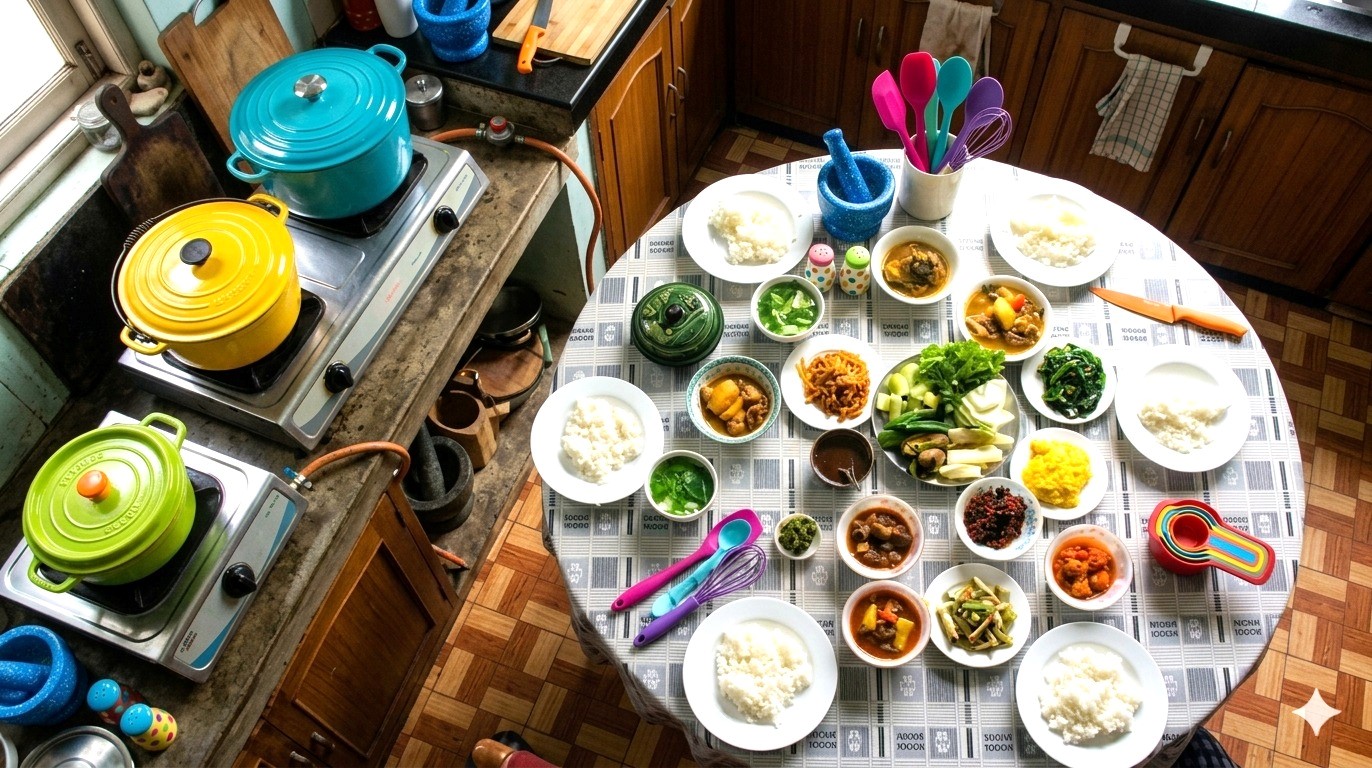
Food is often chosen for convenience rather than care. Busy schedules, long working hours, and the easy availability of restaurants and delivery services have made eating outside or ordering food more common than ever. However, despite these modern changes, homemade food continues to hold a special and important place in our lives.
One of the main reasons homemade food matters is its health benefits. When people cook at home, they have full control over the ingredients they use. They can choose fresh vegetables, good-quality meat, and balanced portions of nutrients. Homemade meals usually contain less oil, sugar, and salt compared to many restaurant or processed foods. As a result, people who regularly eat homemade food often maintain better health and develop healthier eating habits.
Another important aspect of homemade food is the emotional connection it creates. Food prepared at home is often made with care, patience, and love. Many people associate homemade dishes with childhood memories, family traditions, and special occasions. The smell of a familiar dish cooking in the kitchen can remind someone of their parents, grandparents, or cultural heritage. In this way, homemade food becomes more than just nourishment; it becomes a symbol of comfort and belonging.
Homemade food also strengthens family relationships. Cooking and eating together provide opportunities for families to spend quality time with one another. In many households, preparing meals is a shared activity where family members talk, laugh, and help each other. Sitting together at the dining table encourages conversation and helps family members stay connected in a world where technology often distracts people from personal interactions.
In addition, cooking at home can be economical. Preparing meals from basic ingredients is usually less expensive than regularly buying food from restaurants or ordering delivery. With careful planning, families can prepare nutritious meals while managing their budget effectively. This is especially important for households trying to balance their financial responsibilities.
Finally, homemade food allows people to preserve cultural identity. Every culture has its own traditional recipes and cooking methods that are passed down through generations. By cooking these dishes at home, people keep their cultural traditions alive and introduce younger generations to the flavours and values of their heritage.
In conclusion, while modern lifestyles may encourage convenience and speed, homemade food continues to play a vital role in maintaining health, strengthening relationships, saving money, and preserving culture. It reminds us that food is not only about satisfying hunger but also about nurturing both the body and the soul. Even in a world full of fast food and quick meals, the value of homemade food remains timeless.”