By Mar Lar Aung (Culture)
Introduction
In today’s global economic landscape, cultural and creative industries (CCIs) have emerged as a significant driver of sustainable development. These industries harness cultural resources, human creativity, and intellectual capital to generate economic, social, and cultural value. Consequently, many countries are increasingly prioritizing CCIs within their national development strategies.
Myanmar, with its long and distinguished history, is endowed with a rich cultural heritage and diverse traditional crafts. This cultural wealth provides a strong foundation and considerable potential for the development and expansion of cultural and creative industries in the country.
Definition of Cultural and Creative Industries
According to UNESCO, cultural and creative industries (CCIs) are sectors that rely on creativity, culture, knowledge, and intellectual property to produce goods and services that generate cultural, economic, and social value.
More broadly, CCIs can be understood as industries that utilize cultural resources and creative capacities to create employment opportunities, stimulate economic growth, and safeguard cultural heritage.
These industries encompass a wide range of sectors, including:
• Performing arts (dance, theatre, and traditional performances)
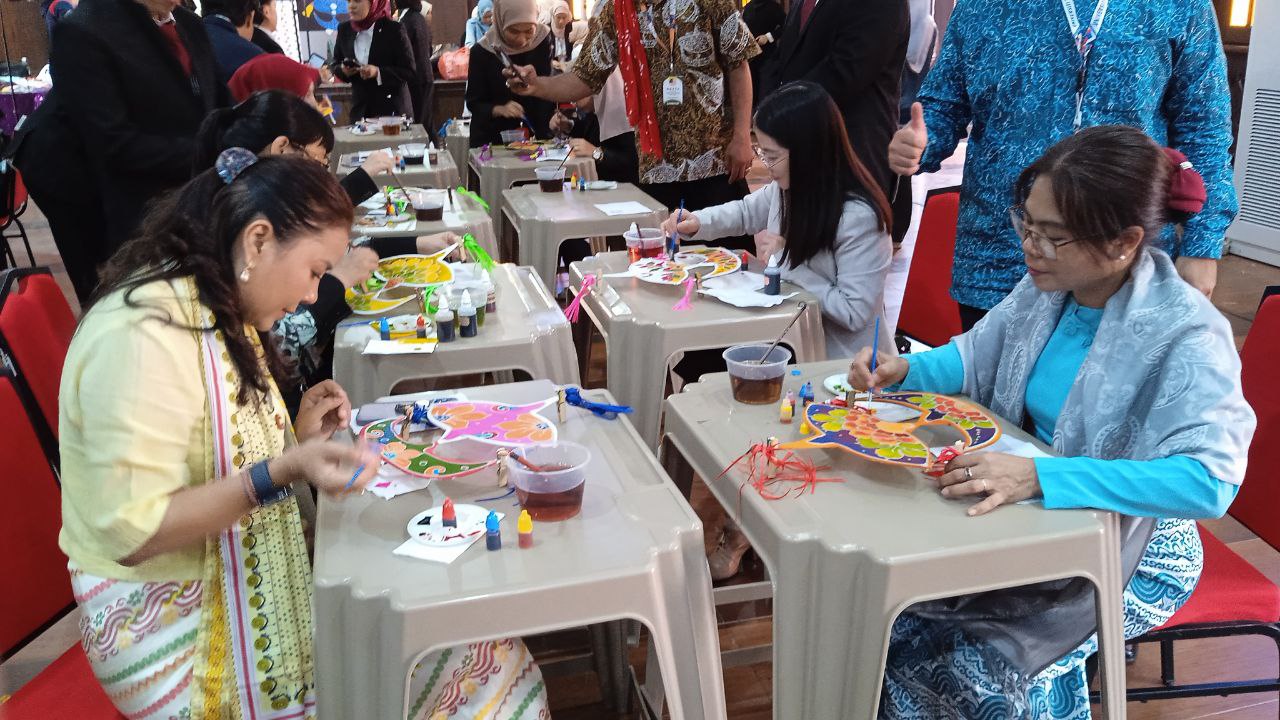
• Visual arts (painting, sculpture, and crafts)
• Film and media
• Music
• Cultural tourism
• Traditional crafts and design
• Digital creative industries
• Cultural heritage-related industries
• Other creative sectors
The Role of Myanmar Traditional Handicrafts
In Myanmar, cultural and creative industries are deeply rooted in the country’s intangible cultural heritage. These include the Ten Traditional Crafts (Pan Sel Myo), Thanaka, traditional handicrafts, and various forms of traditional artistic expression.
The Ten Traditional Crafts – namely blacksmithing (Pan Be), goldsmithing (Pan Tein), bronze smithing (Pan Tin), masonry (Pan Tau), construction (Pan Yan), sculpture (Pan Pu), stucco work (Pan Tamaut), wood turning and lathe work (Pan Pwut), painting (Pan Chi), and lacquerware (Pan Yun) – are not only of significant artistic value but also contribute substantially to economic development. As such, they represent a vital component of Myanmar’s CCI sector.
A notable example can be found in the Bagan region, where lacquerware (Pan Yun) is particularly prominent. This craft exemplifies the integration of traditional design, artistic creativity, and skilled craftsmanship. Lacquerware products contribute to heritage preservation, tourism development, and the livelihoods of local artisans, thereby reinforcing the role of CCIs in sustainable development.
Moreover, the integration of traditional handicrafts with tourism generates income opportunities for local communities, strengthens cultural identity, and enhances both economic and social value.
Cultural Tourism
Myanmar is home to numerous attractive tourist destinations, among which Bagan stands out as one of the most significant cultural heritage sites. Recognized as a UNESCO World Heritage Site, Bagan is renowned for its thousands of temples, pagodas, and ancient architectural masterpieces.
These cultural assets serve as key resources for the development of cultural tourism. In addition, the Bagan region hosts a wide range of CCI-related activities, including the production of traditional foods such as fermented bean paste (Pon Yay Gyi), jaggery, and various preserved goods, as well as handicrafts such as textiles and lacquerware.
Such industries play an important role in increasing tourism revenue, creating employment opportunities, and supporting the preservation and promotion of cultural heritage.
Outcomes of International Cooperation
Knowledge Development
In 2021, UNESCO published Backstage: Managing Creativity and the Arts in South-East Asia, which presents an analysis of creative sectors across nine South- East Asian countries, including Myanmar. The publication provides valuable insights into regional creative economies and their development trajectories.
The book is available for free online access at the following link:
https://unesdoc.unesco.org/ ark:/48223/pf0000381380
Regional and International Cooperation
The Mekong Institute, with support from the Mekong–Korea Cooperation Fund (MKCF), has been implementing the “Creative4Mekong” project to strengthen creative industries in the region.
As part of this initiative, representatives from Mekong countries participated in a knowledge-sharing programme in South Korea in December 2024. Myanmar participants, particularly from the Bagan region, gained valuable insights into intellectual property systems and creative enterprise development.
Such initiatives enhance Myanmar’s collaboration with international partners and contribute to strengthening its cultural and creative industries through knowledge exchange and capacity building.
ASEAN and Cultural Cooperation
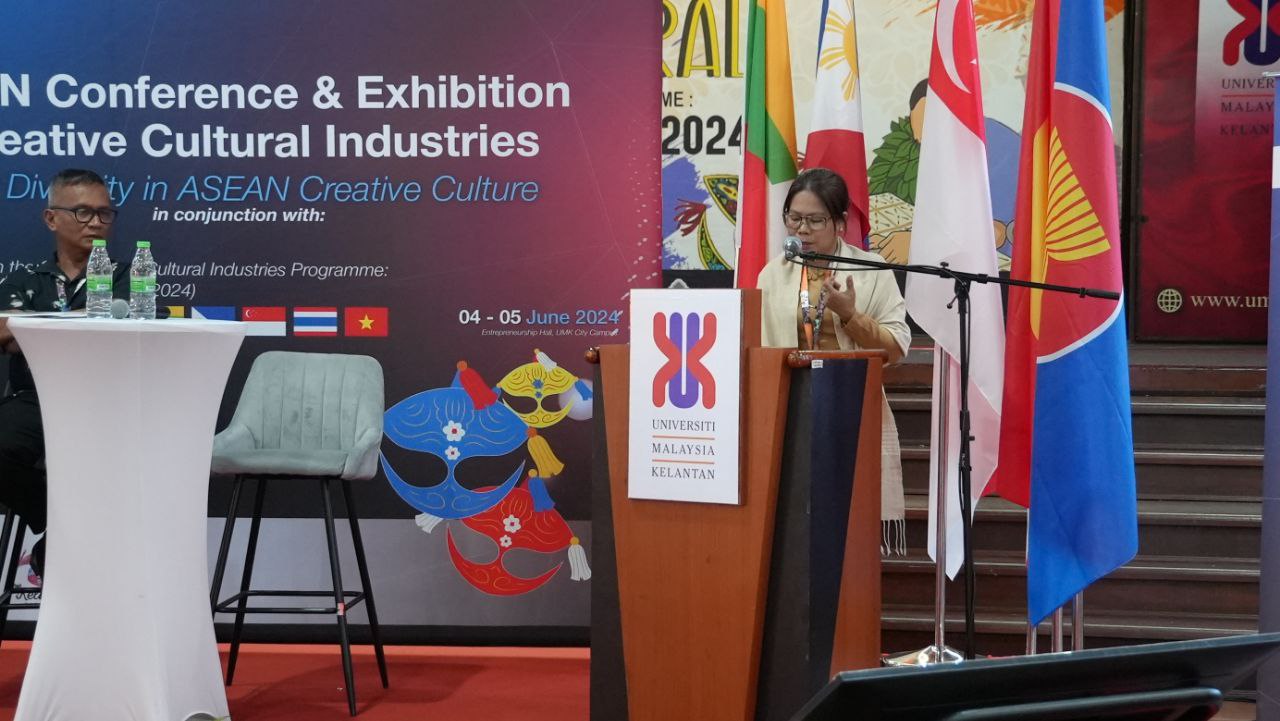
As a member of the Association of South-East Asian Nations (ASEAN), Myanmar actively supports regional cultural policies and frameworks, which are endorsed at the ministerial level and further adopted at ASEAN Summit meetings.
One significant milestone is the Siem Reap Declaration on Promoting a Creative and Adaptive ASEAN Community to Support the Cultural and Creative Economy, adopted in 2022 in Siem Reap. This declaration aims to strengthen the sustainability of CCIs and enhance cultural and economic resilience across ASEAN Member States.
Background and Rationale
At the 9th Meeting of the ASEAN Ministers Responsible for Culture and Arts (AMCA) in 2020, discussions focused on the impact of the COVID-19 pandemic on the cultural sector and identified strategic priorities for recovery.
Subsequently, at the ASEAN Regional Workshop on Creative Economy (ARWCE) in 2021, the ASEAN Creative Economy was defined as economic activities derived from human creativity, rooted in heritage, culture, arts, design, science, and media.
Linkages with Regional Frameworks
The ASEAN Comprehensive Recovery Framework (ACRF) recognizes cultural and creative industries as a key sector for post-pandemic recovery, highlighting their role in fostering resilience and sustainable development.
Significance of ASEAN Declarations
ASEAN cultural declarations aim to:
• Recognize the importance of culture and the arts
• Safeguard and enhance cultural heritage
• Promote the development of CCIs
• Strengthen regional cultural cooperation
Cooperation and Future Actions
ASEAN Member States are working collaboratively to:
• Promote research and innovation in CCIs
• Strengthen the capacity of cultural professionals
• Enhance cultural awareness and knowledge exchange
• Develop cultural tourism
• Expand the use of digital technologies
Through these efforts, CCIs are expected to become a major driving force for sustainable and resilient development in the ASEAN region.
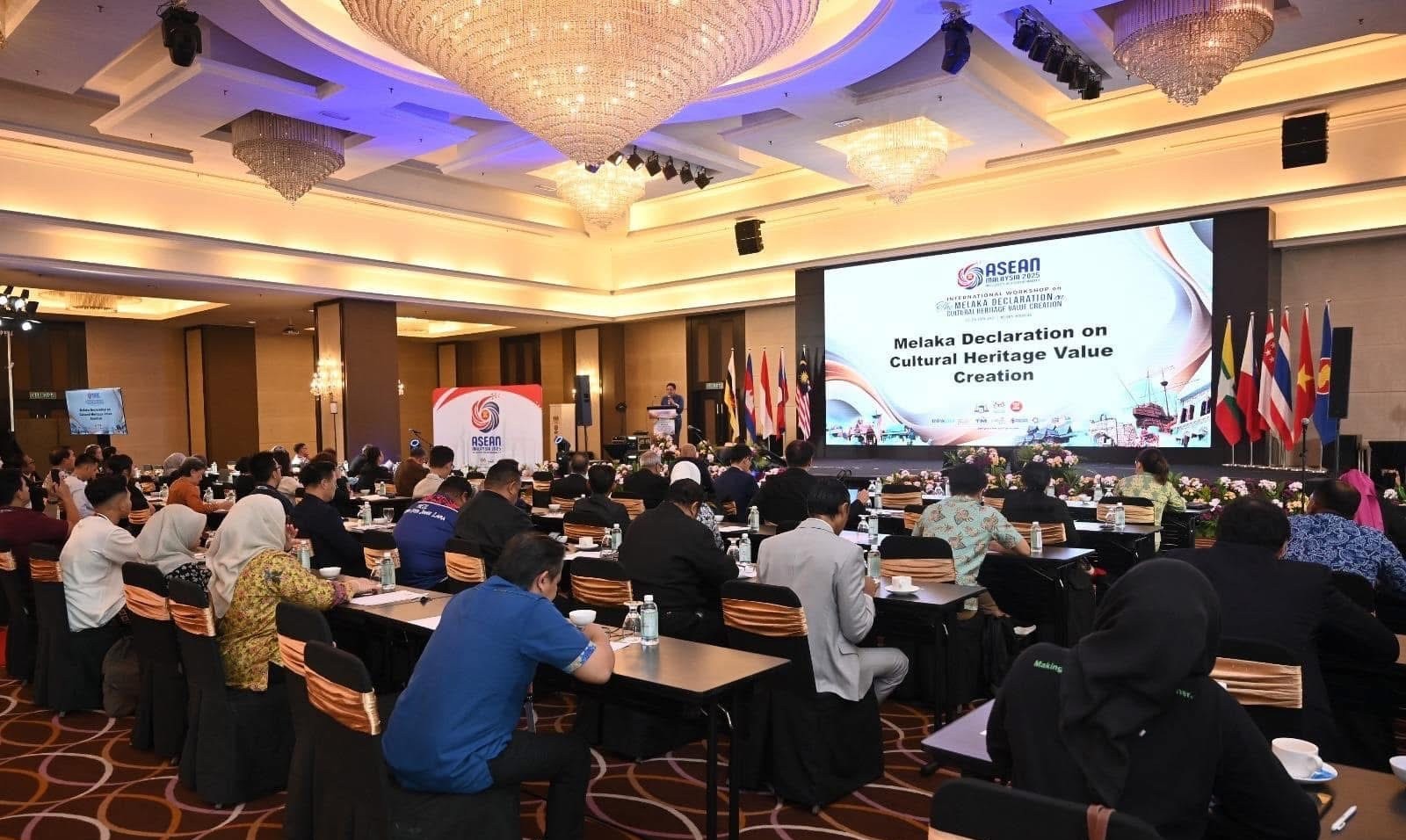
Melaka Declaration on Cultural Heritage Value Creation
In October 2025, ASEAN Member States adopted the Melaka Declaration on Cultural Heritage Value Creation. This declaration emphasizes the rights of Member States to identify, protect, and promote their cultural heritage while fostering inclusive and sustainable development.
It also highlights the importance of investing in cultural and creative industries and promoting cultural tourism as a means of generating economic opportunities.
Key Agreements
The declaration outlines five priority actions:
• Strengthening legal and institutional frameworks for cultural value chains
• Promoting a whole-of-ASEAN approach to new economic models
• Investing in training and capacity-building programmes
• Enhancing partnerships among cultural institutions and stakeholders
• Improving monitoring and evaluation mechanisms
Challenges Faced Within the ASEAN Region
Despite significant progress, the development of CCIs in ASEAN faces several challenges, including:
• Limited financial resources
• Weak intellectual property protection systems
• Limited access to modern technologies
• Constraints in market expansion
• Declining interest among younger generations in traditional crafts
• Difficulties in accessing raw materials
Conclusion
Cultural and creative industries have become an essential pillar of sustainable development, contributing not only to economic growth but also to the enrichment of cultural life and community identity. Myanmar, with its rich cultural heritage and vibrant traditional arts, holds strong potential for advancing its CCI sector.
However, realizing this potential requires comprehensive and well-coordinated efforts. These include the formulation of effective policies, the strengthening of intellectual property protection, the provision of targeted financial support, and the implementation of capacity-building programmes.
Equally important is the promotion of digital transformation through the development of online platforms, digital marketplaces, and e-commerce systems. In addition, fostering collaboration among government institutions, the private sector, international partners, and cultural practitioners is crucial.
Through sustained multi-stakeholder cooperation, strategic investments, and policy reforms, Myanmar’s cultural and creative industries can achieve long-term, sustainable development and serve as a key driver of cultural and economic growth within the ASEAN region.