By Maung Lumaw Oo
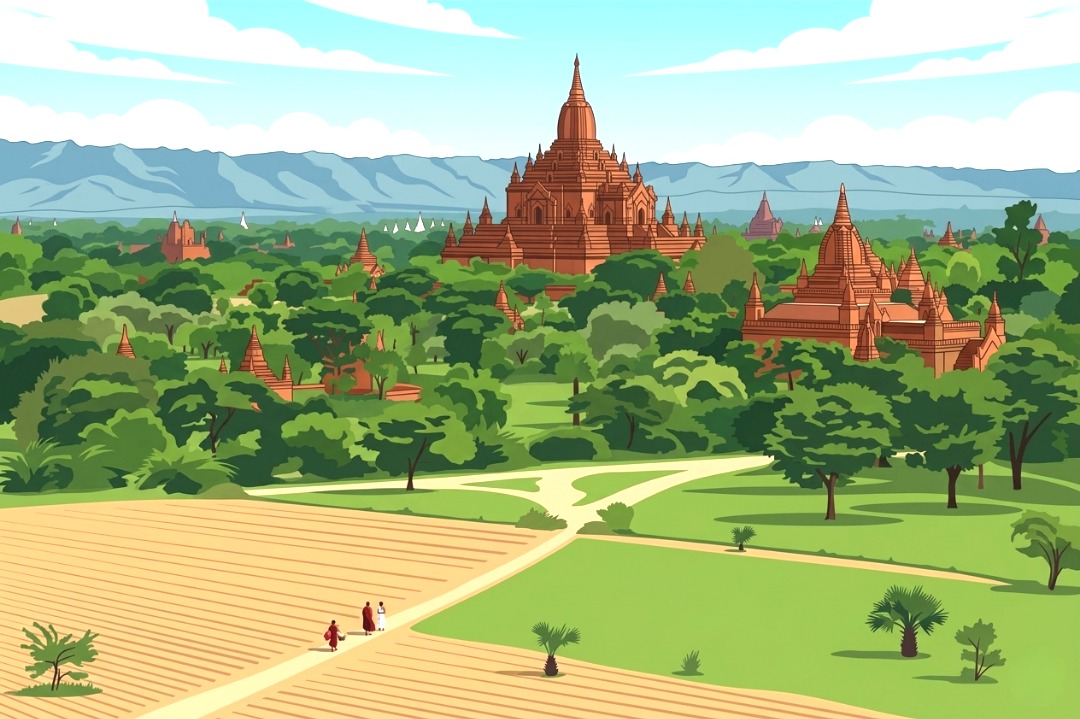
MYANMAR possesses a remarkably rich cultural and architectural tapestry, spanning ancient archaeological zones like Bagan to the unique colonial and vernacular architecture of its urban centres. As the nation pursues rapid economic development, modernization, and urbanization, a critical policy challenge emerges: how to build the infrastructure of the future without erasing the tangible remnants of the past. Sustainable development must balance economic expansion with the careful preservation of cultural heritage.
The economic argument for heritage preservation is compelling. Historical sites and preserved architectural districts are the foundational assets of international cultural tourism. When historical buildings are demolished to make way for generic high-rises, a city loses its unique identity and its long-term appeal to global travellers. Preserving historic quarters retains the distinct character of Myanmar’s cities, ensuring they remain vibrant cultural hubs rather than uniform urban landscapes.
However, preservation policies must evolve beyond merely maintaining ancient monuments. Modern urban planning must incorporate adaptive reuse policies. Adaptive reuse allows historic structures to be retrofitted with modern safety, plumbing, and electrical systems so they can function as contemporary offices, museums, boutique hotels, or community centres. This strategy breathes new economic life into old neighbourhoods while safeguarding their architectural integrity, proving that conservation and commercial viability can coexist harmoniously.
To succeed, heritage preservation requires a clear, enforceable legislative framework. Zoning laws must clearly demarcate heritage zones where building heights, facade designs, and demolition activities are strictly regulated. Furthermore, these policies must be paired with financial incentives, such as tax relief or matching grants, for private property owners who undertake the costly task of restoring historical buildings according to strict conservation standards.
Equally important is community involvement. Local populations must be recognized as the primary custodians of their heritage. When residents are educated on the value of their historical surroundings and are given a direct stake in tourism revenues, they become active participants in conservation efforts.
Preserving our cultural heritage is not an act of looking backwards; it is an act of securing our identity for the future. By weaving historical preservation into the fabric of national urban planning policies, Myanmar ensures that future generations will inherit a nation that is economically advanced, yet deeply rooted in its rich history.