
By Wint Htet Aung
LIFELONG learning can be defined as all purposeful learning activities undertaken on an ongoing basis with the aim of improving knowledge, skills and competence. It contains various forms of education and training, formal, non-formal and informal, e.g. the traditional school system from primary to tertiary level, free adult education, informal search and training, individually, in a group setting or within the framework of social movements.
All these forms of education and training rely on working methods that develop the individual’s ability to search for information and build knowledge actively and independently. Libraries have the potential to make a difference between a traditional system of formal education and a broader system of learning. Libraries are socially inclusive places, offering a wide choice of different media and professional guidance in information search. In today’s digital age, where information is just a few clicks away, we often take the word “library” for granted. Libraries have been an integral part of human civilization for centuries, serving as repositories of knowledge, culture, and history.
The word “library” has its roots in the ancient world, with its origin deeply intertwined with the concept of collecting and preserving written knowledge. The term “library” is derived from the Latin word “librarium” or “bibliotheca”, which refers to a place where books and scrolls are stored. The Latin term itself found its roots in Greek, with “bibliothēkē” (βιβλιοθήκη) being the word for a collection of books.
The earliest known libraries date back to the ancient civilizations of Mesopotamia and Egypt. The Royal Library of Alexandria in Egypt, established in the 3rd century BCE, is often considered one of the most iconic ancient libraries, with its vast collection of scrolls and its role in fostering intellectual exchange.
As language and culture spread across regions, so did the concept of libraries and the terms used to describe them. In the Latin Middle Ages, “librarium” transformed into “library”, and the concept of a place for storing written knowledge began to take root across Europe. Similarly, the French “bibliothèque” emerged, highlighting the continuing evolution and localization of the term.
The Renaissance period marked a significant turning point in the history of libraries and the word itself. The term “library” began to encompass not only the physical space but also the broader idea of a collection of knowledge and culture. During this era, scholars and collectors played a crucial role in shaping the meaning of “library”. Private libraries became symbols of intellectual prowess and cultural refinement.
Libraries come in various types, each designed to serve specific purposes and cater to different audiences. According to the mode of services rendered to the readers, libraries are broadly divided into four types:
1. Academic Library: Academic libraries play a crucial role in supporting the scholarly pursuits of students, faculty, and researchers within educational institutions. These libraries house vast collections of books, journals, periodicals, databases, and digital resources covering various academic disciplines. Academic libraries are often organized into subject-specific sections, allowing users to access materials relevant to their fields of study. They provide quiet study spaces, computer labs, and collaborative areas for group work.
2. Special Library: Special libraries are specialized information centres that cater to the specific needs of organizations, industries, or professions. These libraries are often found in corporations, government agencies, research institutions, law firms, medical facilities, and other specialized settings. Special libraries curate collections tailored to the specific subject area or field, providing technical reports, industry publications, legal documents, medical literature, and other relevant materials. These libraries support decision-making, promote innovation, and facilitate knowledge dissemination within their organizations. Special libraries may also provide customized services such as competitive intelligence, patent searches, and information analysis.
3. Public Library: Public libraries are community treasures that serve as accessible hubs of knowledge and cultural enrichment for people of all ages and backgrounds. These libraries offer various resources, including books, e-books, audiobooks, magazines, newspapers, and multimedia materials. Public libraries provide welcoming spaces for reading, studying, and community engagement, often equipped with comfortable seating, study rooms, and computer facilities., and
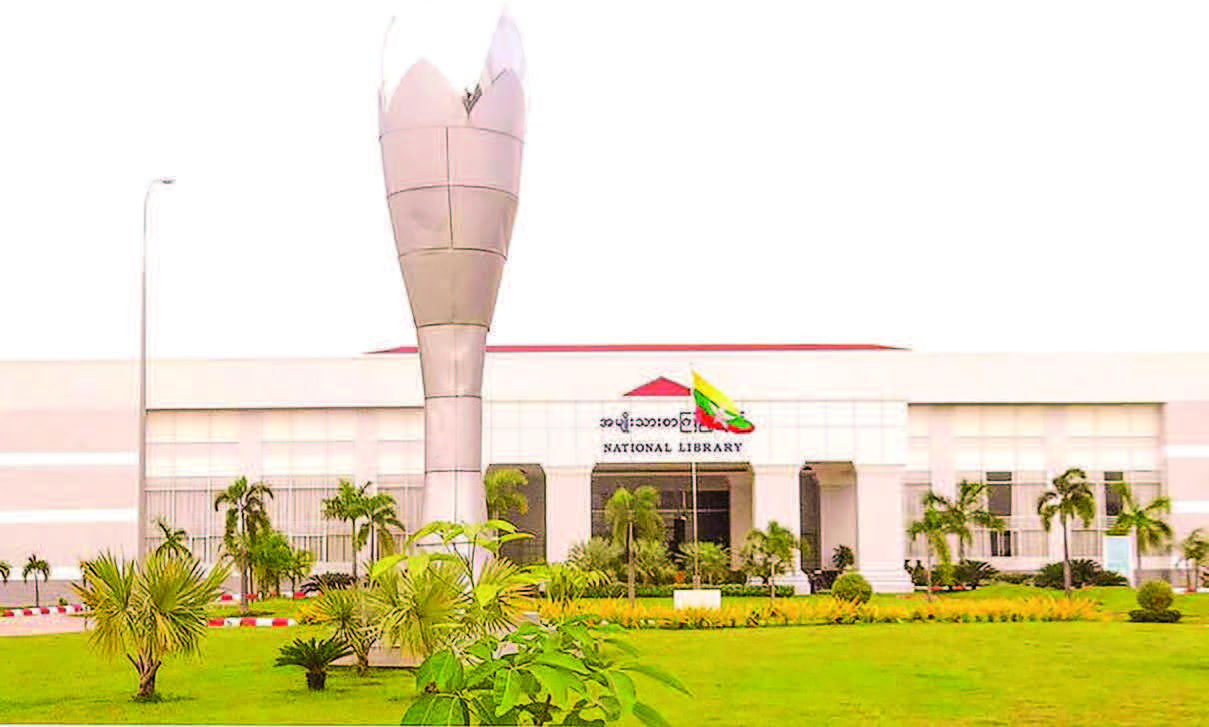
4. National Library: National libraries hold a special place as the custodians of a nation’s cultural heritage, intellectual achievements, and historical records. These prestigious institutions serve as repositories of national literature, documents, and important collections that reflect the identity and history of a country. National libraries often have legal deposit requirements, which oblige publishers to submit copies of their published works, ensuring the preservation and accessibility of the nation’s published output. They play a vital role in disseminating knowledge that contributes to scholarship, national memory, and cultural heritage. National libraries also organize exhibitions, lectures, and public events to promote public engagement with their collections and foster a sense of national pride and understanding.
The world we live in today demands continuous learning and adaptability, both professionally and personally. Lifelong learning has transcended the confines of formal education, becoming a fundamental principle for personal growth, career advancement, and societal development. Libraries, with their rich history dating back centuries, have constantly adapted to the evolving needs of society. These institutions have transformed from simple repositories of books into dynamic knowledge centres, embracing technology, fostering inclusivity, and championing the cause of lifelong learning. They are no longer confined to the role of passive custodians of knowledge; libraries have become active enablers and catalysts for education throughout one’s life. Libraries have stood as beacons of knowledge and enlightenment for centuries, serving as community hubs that democratize access to information, education, and the joy of reading. Beyond their traditional role as repositories of books, libraries have evolved into dynamic learning centres, playing a pivotal role in promoting lifelong learning.
• A Repository of Knowledge: Libraries are treasure troves of knowledge, housing an extensive array of books, periodicals, journals, and other informational resources. These resources cover a vast spectrum of subjects and disciplines, allowing individuals to delve into diverse topics and cultivate a broad understanding of the world. This accessibility to a plethora of knowledge nurtures intellectual curiosity and fosters a love for learning from an early age, setting the stage for a lifelong education journey.
• Early Literacy and Lifelong Learning: Libraries serve as nurturing grounds for early literacy, playing a crucial role in fostering a love for reading and learning among young children. Storytelling sessions, interactive programmes, and reading initiatives organized by libraries help children develop essential literacy skills, setting a solid foundation for their educational journey. By instilling a passion for reading and learning in the early years, libraries encourage a lifelong habit of continuous exploration and intellectual growth.
• Adult Education and Skill Enhancement: Libraries support adult education and skill enhancement throughout one’s life. They offer resources and programs catering to adult learners, providing opportunities for skill development, career advancement, and personal growth. Workshops, seminars, and courses organized by libraries help adults acquire new skills, stay updated with industry trends, and adapt to the changing job market, reinforcing the concept of lifelong learning.
• Digital Transformation: Libraries in the Modern Era: Now, libraries have embraced technological advancements, expanding their reach and impact. Digital libraries and online platforms provide an extensive collection of e-books, audiobooks, educational videos, and interactive learning modules, making information accessible anytime and anywhere.
This digital transformation has democratized learning, allowing individuals to engage in lifelong learning beyond the physical constraints of a traditional library.
• Community Engagement and Inclusivity: Libraries promote community engagement and inclusivity, ensuring diverse populations can access educational resources and opportunities. They actively reach out to underserved communities, providing tailored programmes and services to bridge educational gaps. By focusing on inclusivity, libraries empower individuals from all walks of life to embark on a lifelong learning journey, contributing to a more informed and educated society.
Libraries are vital catalysts for lifelong learning, enriching lives, and empowering communities through education, knowledge, and inclusivity. Their evolving role as dynamic learning centres underscores the enduring importance of libraries in promoting a culture of continuous learning. As society advances, libraries will continue to shape and nurture the minds of individuals, ensuring that the pursuit of knowledge remains an everlasting voyage.
References: International Federation of Library Associations and Institutions
Librarian House
Library & Information Science Education Network