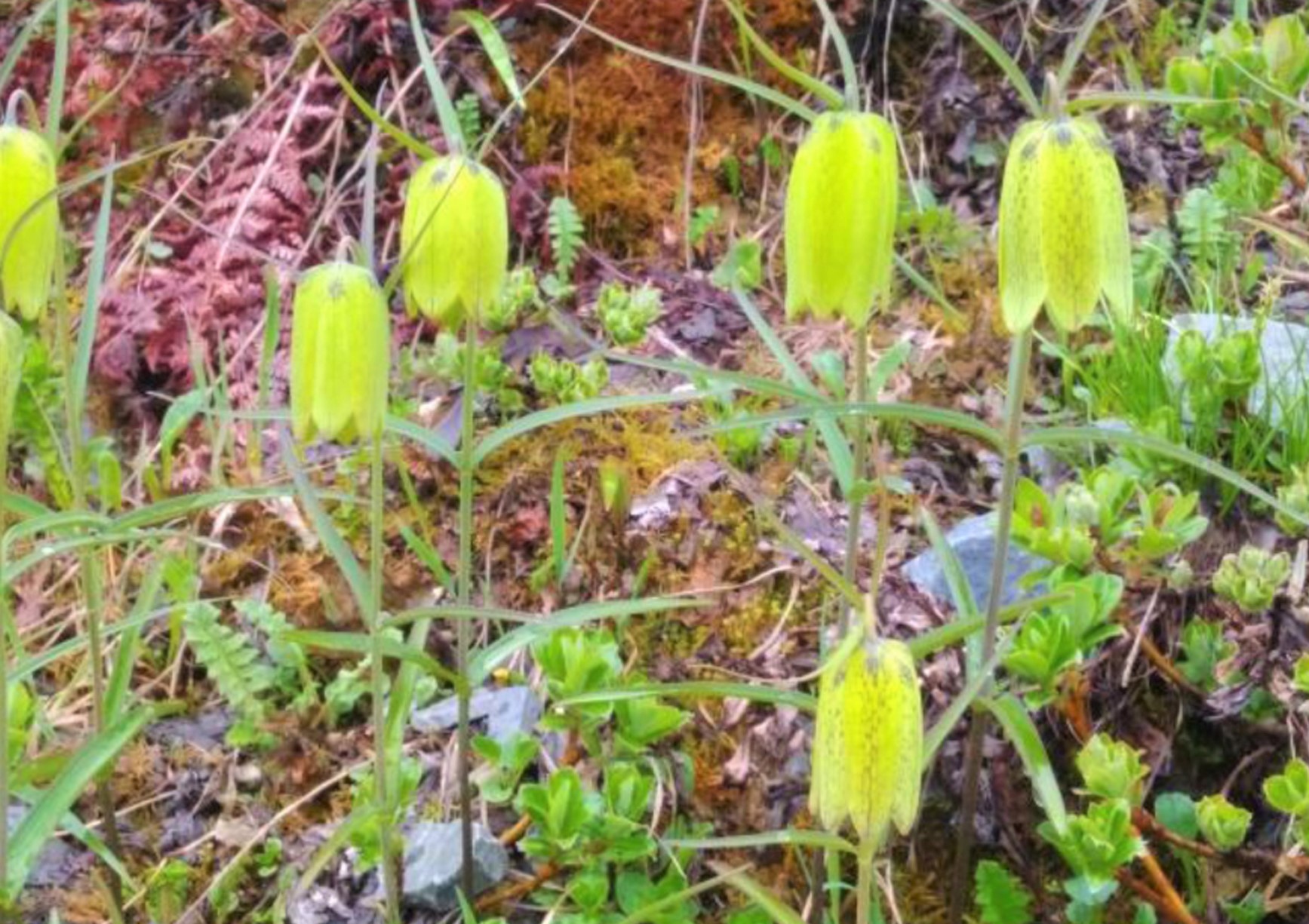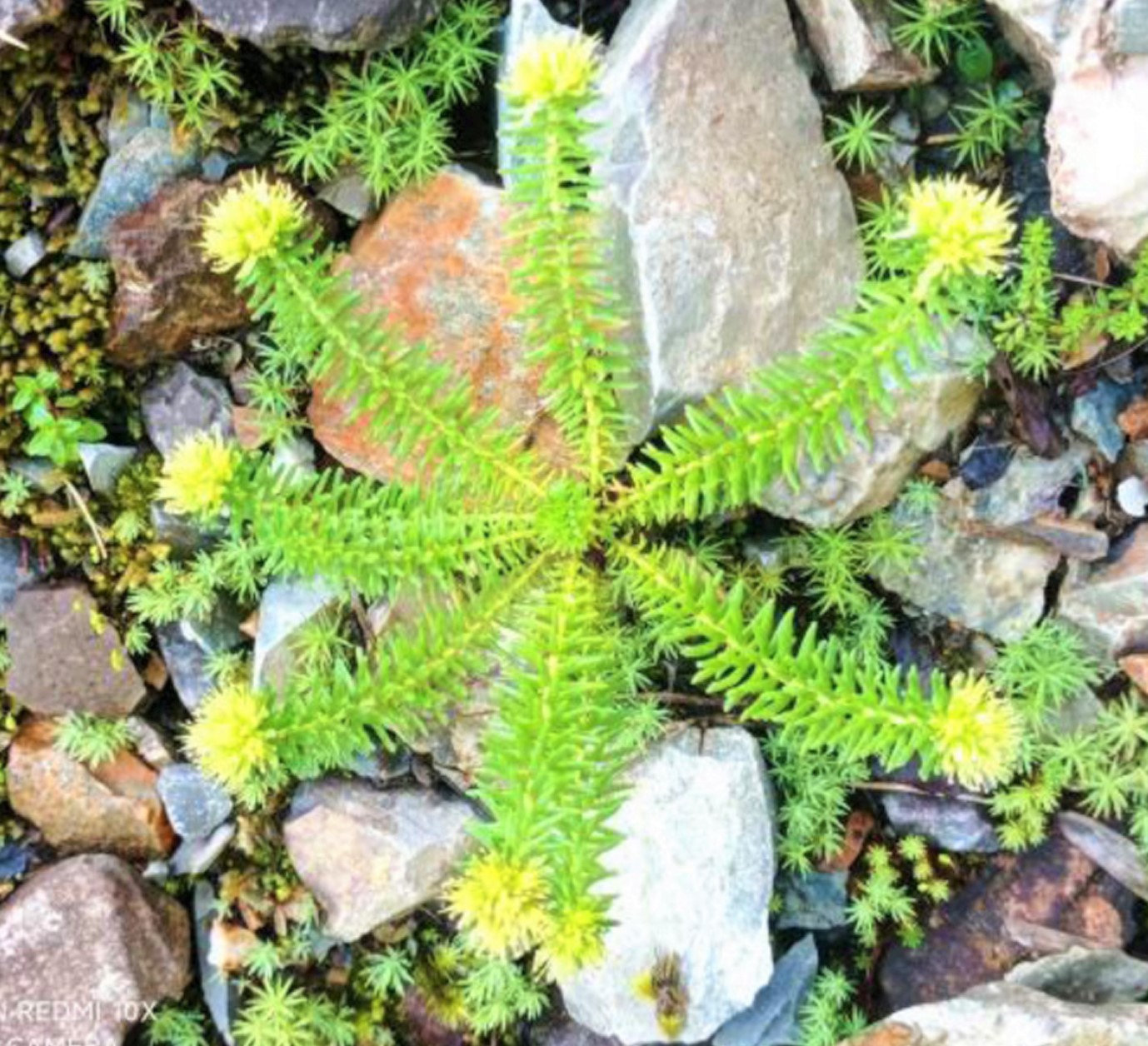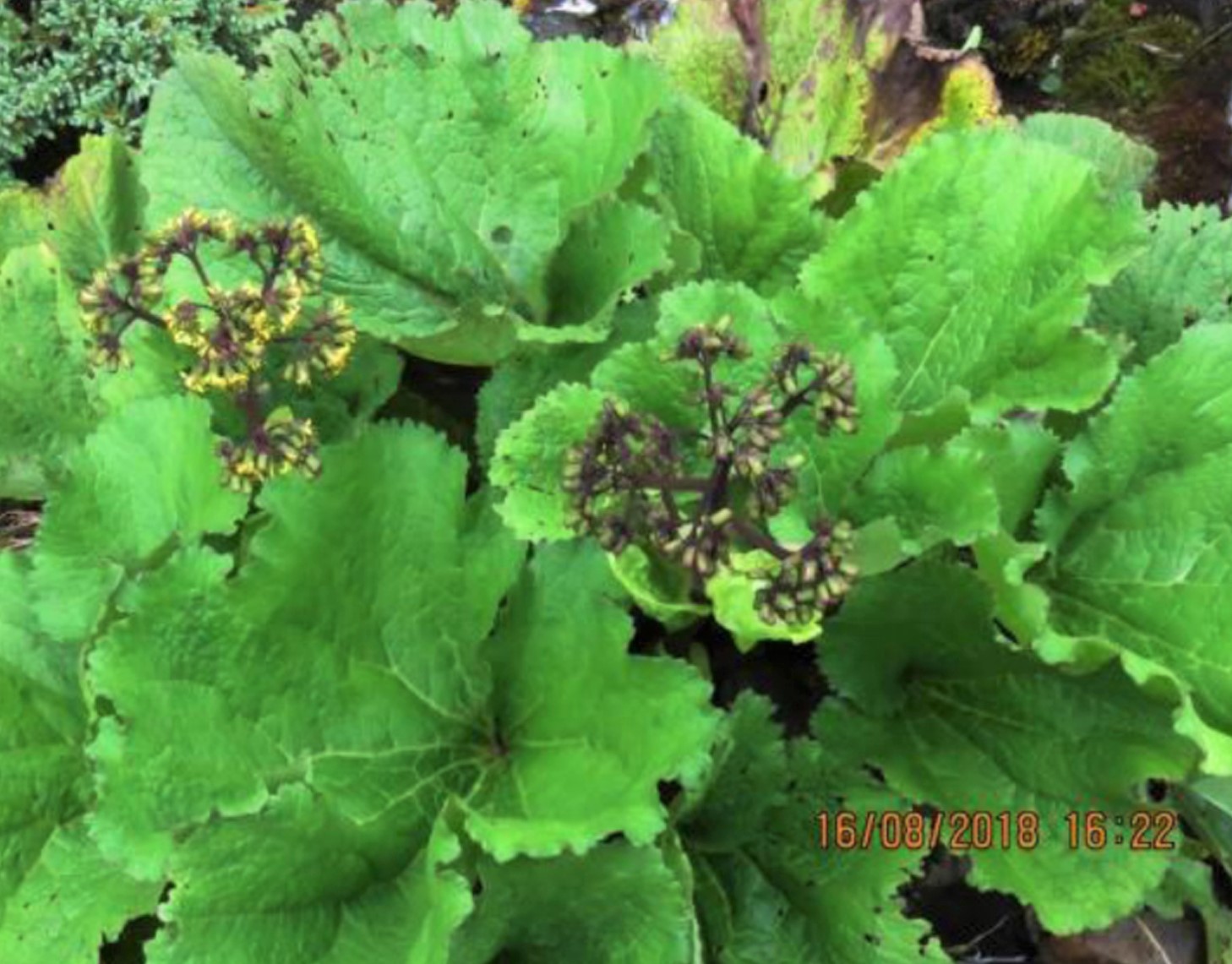
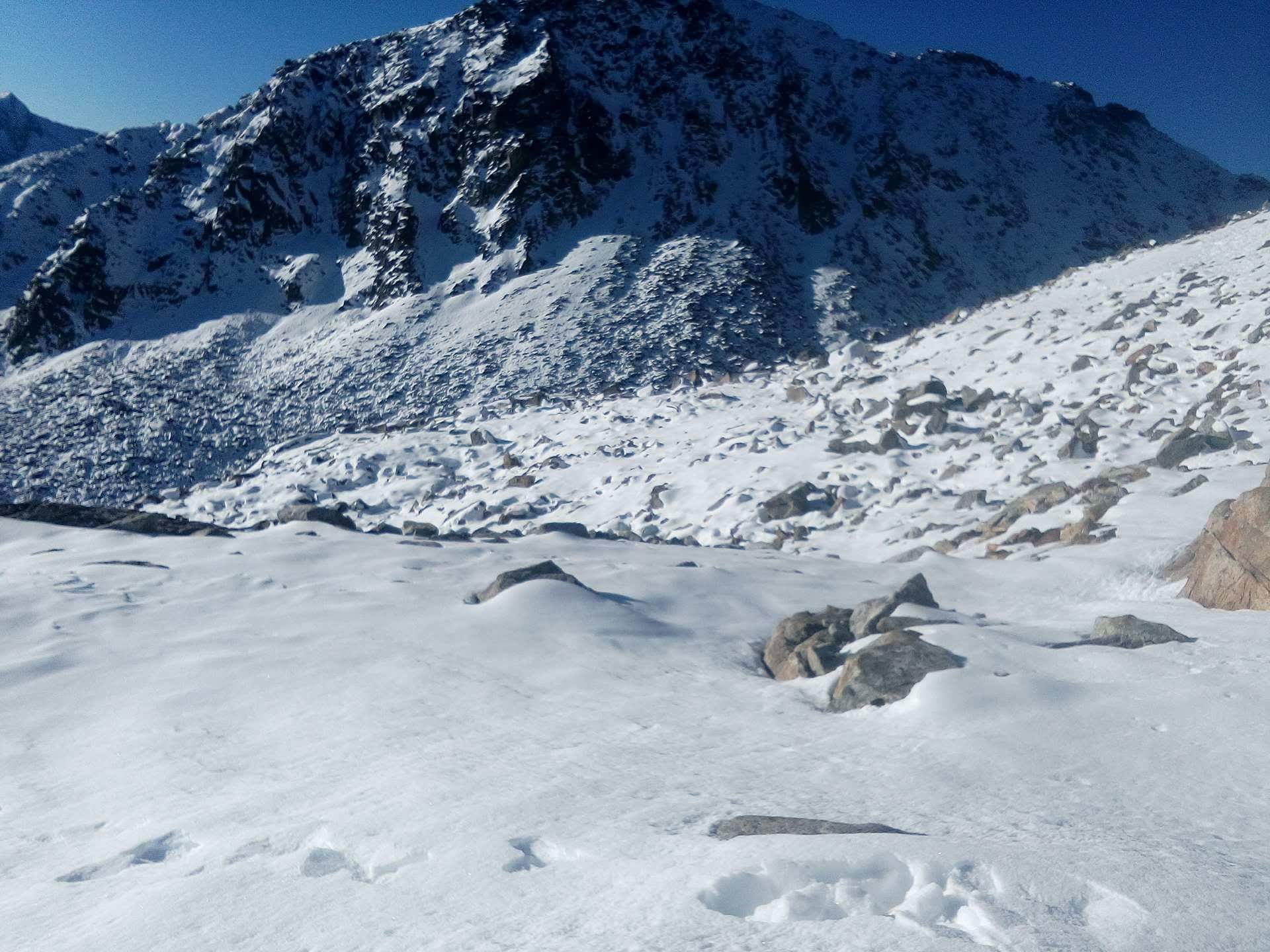
IN Myanmar, a country with three types of climates, 24 medicinal plant species have been reported to thrive in the glacial mountain ecosystems of the northern highlands, where ice and snow prevail.
The Khakaborazi and Phonkanrazi snow-capped mountains in northern Myanmar are home to a variety of medicinal plants used in both traditional and foreign medicine, including, Ophiocordyceps sinensis (caterpillar fungus), Paris polyphylla, Saussurea obvallata, Saussurea gossypiphora (Snow Ball Plant), Fritillaria roylei, Fritillaria delavayi, Dactylorhiza hatagirea, Bergenia purpurascens (Purple Bergenia/Elephant Ears), Rheum webbianum (Rhubarb), Rheum moorcroftianum (Moorcroft’s Rhubarb), Selinum wallichianum (Milk Parsley), Angelica sinensis (Ginseng), Aconitum nagarum, Coptis teeta, Pedicularis sp. (Elephant’s Head), Pedicularis groenlandica (Elephant’s Head), Osbeckia stellata (Hairy Osbeckia), Daphne papyracea (Nepal Paper Plant), Phlogacanthus curviflorus (Wild Nongmangkha), Rhodiola wallichiana (Golden Root), Allium wallichii (Himalayan Onion), Bistorta affinis (Meadow Bistort), Gaultheria trichophylla (Himalayan Snowberry), and Pleurospermum amabile.
These medicinal plants are used in the form of herbs, seeds, or roots to treat a wide range of ailments, including cancer, diseases of the lungs, liver, kidneys, stomach and heart, as well as diabetes, high blood pressure and other chronic conditions.
The plant species have been recorded at altitudes exceeding 19,296 feet across 942,080 acres of the Khakaborazi glacial region and other highland areas. They are particularly abundant within the Khakaborazi National Park, where local communities use them in traditional medicine and also export them, primarily to China. — Thitsa (MNA)/MKKS