Ms Monn
HAVE you ever wondered what makes a city truly perfect? As people from all walks of life flock to urban areas, the allure of a city that offers everything without flaws grows stronger. Modern cities evolve constantly, with towering skyscrapers and vibrant cityscapes that attract millions. Yet, while urban life offers numerous advantages, it also brings challenges. Let us explore the complexities of city living, showing why it is both captivating and demanding.
The Idea of a Perfect City
What defines a perfect city? Different people are drawn to different urban landscapes, but everyone dreams of one that has everything – without flaws. Compared with rural life, most people prefer urban living because it feels more exciting, modern, and full of opportunities. As a result, city populations rise every day, leading to massive megacities.
The 21st century has witnessed rapid architectural growth. Urban planners compete with innovative designs; tall towers replace small homes, and large garages replace cosy local pubs. Cities change daily, driven by technology, ambition, and demand. But a perfect city is not just about buildings, it must also be sociable and unique, offering attractions, natural beauty, and a sense of character.
The Evolution of Cities
In the past, cities lacked tall towers and modern amenities. Today, they offer 24-hour security, shops, Wi-Fi, and glamorous malls. This evolution reflects centuries of transformation, from small marketplaces to sprawling metropolises shaped by industrialization and technology. Cities now boast advanced infrastructure, efficient transportation, and amenities for diverse populations.
They are also hubs of culture, innovation, and economic growth. Urban life attracts people seeking education, healthcare, jobs, and social opportunities. The diversity of city residents fosters creativity, while the convenience of urban services makes daily life smoother.
The Personal Connection
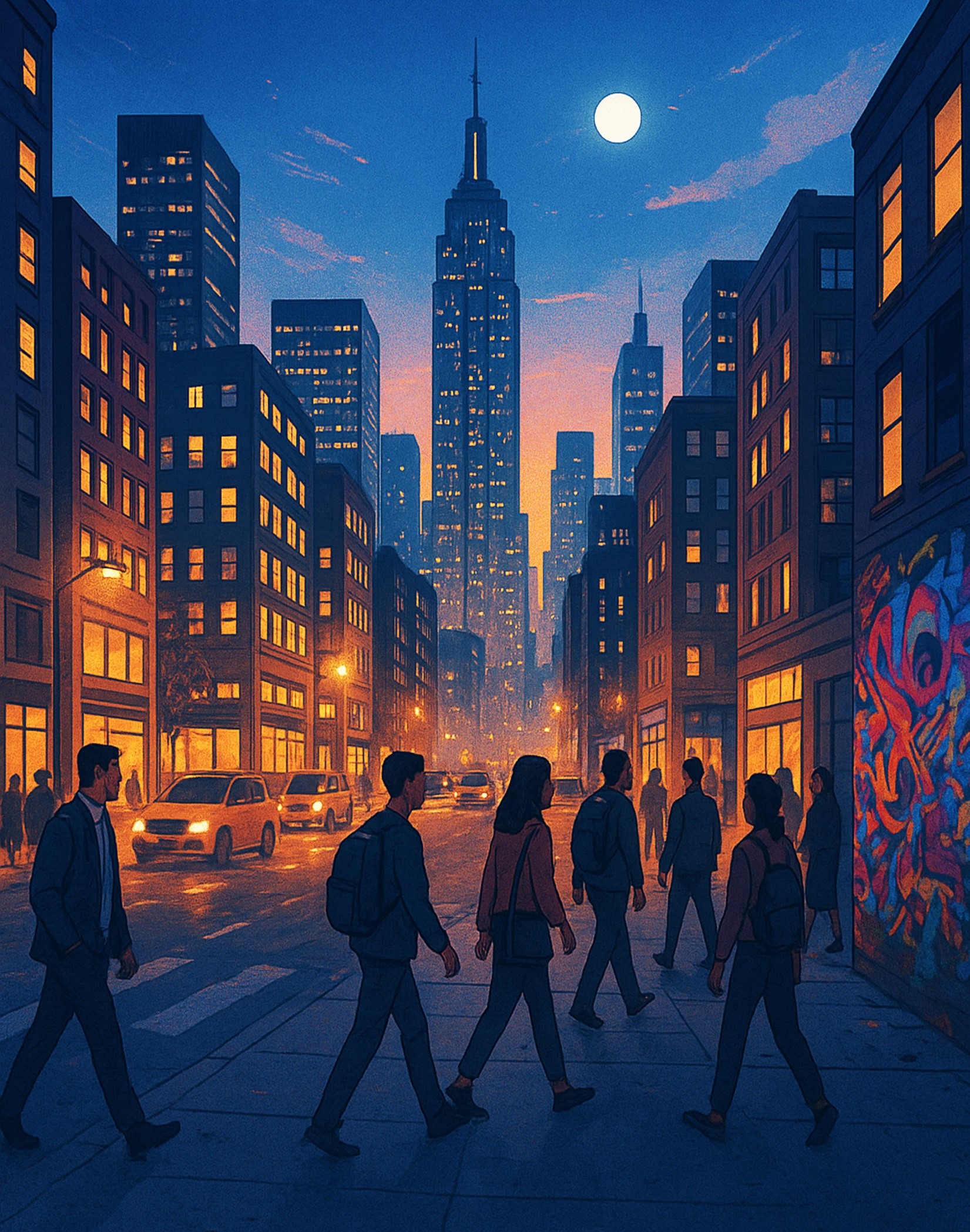
As someone who grew up on a farm and later moved to Yangon, he will have experienced both worlds. Yangon, with its busy streets, skyscrapers, and nonstop energy, has become his home. The city is alive from dawn to dusk, filled with opportunities and challenges. At night, LED lights brighten the skyline, theatres and cinemas entertain crowds, and malls welcome shoppers. Job opportunities draw countless newcomers, making the city feel like a paradise of endless possibilities.
The Merits of City Life
Urban living offers countless benefits. Transportation is quick and efficient. Education is accessible at a high level. Housing, social activities, and leisure facilities, such as libraries, parks, pools, and cybercafes, make life vibrant. Healthcare is advanced, with clinics and world-class hospitals within reach. Cities also offer cultural richness, from art exhibitions to international music concerts.
The Challenges of Urban Living
However, the city is not without flaws. Traffic congestion frustrates commuters daily. Pollution, noise, and overcrowding cause stress and fatigue. Environmental issues such as energy consumption and reduced green spaces threaten sustainability. Social inequality is another major concern, with stark divisions between rich and poor visible in almost every metropolis.
The constant rush of city life can feel dehumanizing. Amidst the hustle and bustle, some people long for the slower pace and closeness to nature found in rural communities. The larger the city, the smaller the chance to enjoy peace, silence, or greenery.
Rural versus Urban
The contrast between rural and urban life highlights their unique qualities. Rural areas offer fresh air, open spaces, close-knit communities, and a relaxed lifestyle connected to natural rhythms. People may live self-sufficiently, often working in agriculture or small trades.
Urban areas, in contrast, are fast-paced, filled with convenience and modern amenities. They provide diverse jobs, advanced healthcare, and cultural opportunities, but at the cost of stress, crowding, and anonymity. Choosing between rural and urban living depends on individual values and priorities – whether one seeks peace and simplicity or excitement and opportunity.
Cities as Symbols of Progress
Cities embody human ambition. Their skyscrapers, bustling streets, and vibrant culture are symbols of innovation and achievement. But they also reveal the costs of progress – stressful living, environmental degradation, and widening socioeconomic divides. The dream of a perfect city remains elusive because progress always comes with complexity.
Building Better Cities
The future of urban living depends on how well cities balance growth with sustainability. Planners must focus on public transportation, affordable housing, green spaces, and equality. Sustainable energy and environmental protection are crucial. With careful planning, cities can be both progressive and livable, not just centres of economic activity but places where all people thrive.
A Look Ahead
As urbanization continues, cities will play an even greater role in shaping the world. They bring real challenges, but also opportunities for innovation. If designed thoughtfully, cities can be inclusive, sustainable, and inspiring. For those who live in them, cities are not just places – they are part of identity.
Having transitioned from rural to urban life myself, I’ve come to appreciate the dynamism of city living, even with its flaws. The rural offers peace, but the city gives purpose and possibility. In the end, whether rural or urban, the choice reflects personal aspirations.
As we look to the future, cities will continue to expand, adapt, and redefine what it means to live in an urban environment. I predict that the cities of tomorrow will not only rise higher into the sky but also dig deeper into sustainable solutions, blending technology with nature. Green architecture, renewable energy, and smart transportation will dominate city planning. Despite the challenges of overcrowding and inequality, innovation will keep pushing boundaries. Cities will become more inclusive, livable, and resilient, serving as both symbols of human progress and as guardians of the environment for generations to come.