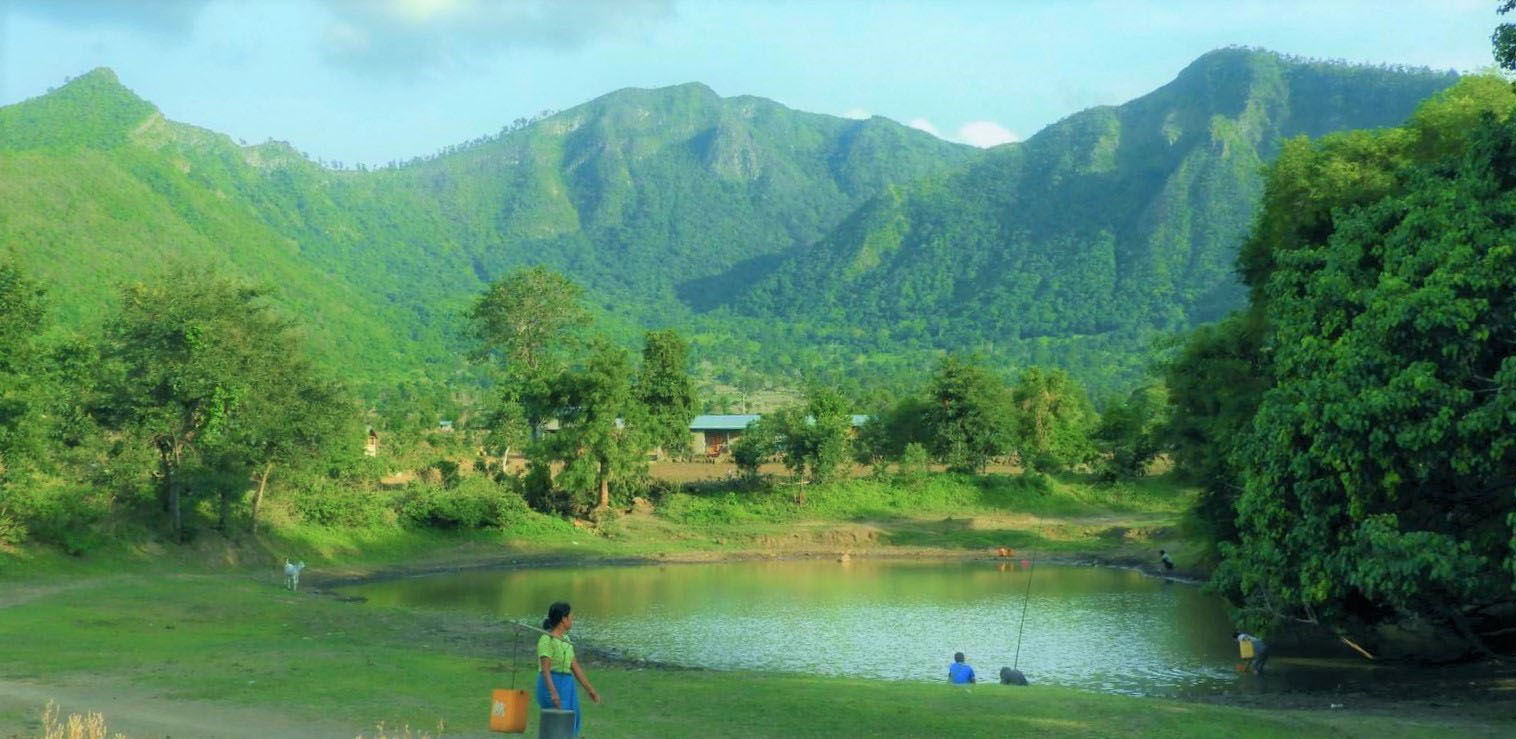
LOCATED near Kyaukpadaung Township in Mandalay Region, Mount Popa National Geopark – a lush tropical landscape rich in ancient geological heritage – has opened 15 designated sites for both local and foreign visitors to explore during the open travel season around the Tazaungdine holidays, according to the Mount Popa National Geopark Warden Office.
Visitors can observe naturally formed rocks that date back approximately 320,000 years, originating from an extinct volcano. During the monsoon season, they can also explore the forest areas, home to medicinal plants, sandalwood trees, and rare species such as the golden deer, the white-browed gibbon, and various bird species. As Myanmar’s first national geopark, Popa offers not only striking natural beauty but also valuable educational opportunities.
“During the Thadingyut holidays, Mount Popa attracted a large number of visitors, particularly during the Boe Taw Festival. Some travellers also visited the Popa Mountain National Geopark. The park currently features 15 designated sites, with plans to add another 14. It will remain open throughout the Tazaungdine holidays for visitors to explore,” said an official from the Geopark Warden Office.
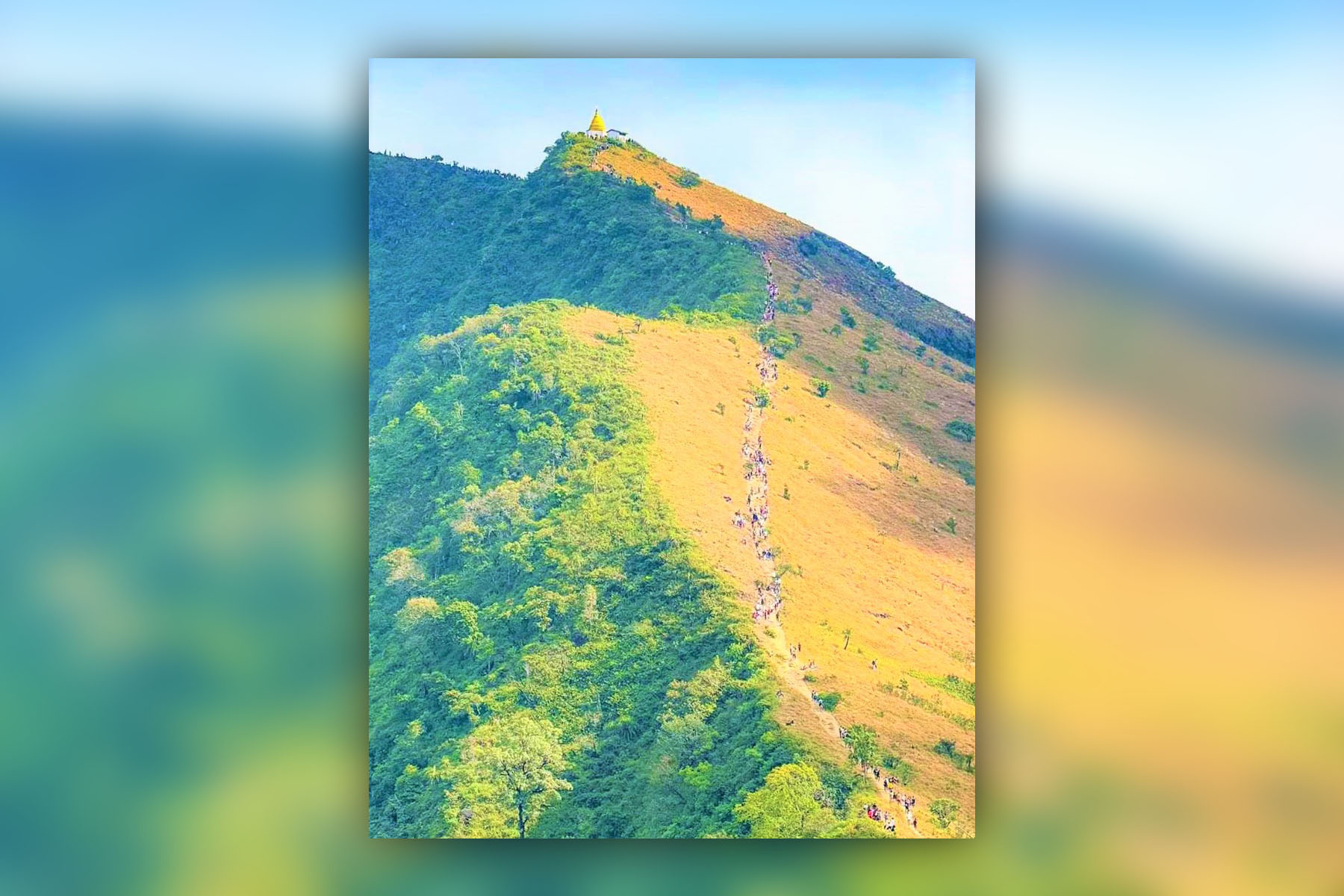
Situated along the route to the ancient cultural city of Bagan, the area provides accommodation for travellers and showcases the natural beauty of the dry zone, with verdant hills, rural landscapes, wildlife, and rare bird species. Visitors can enjoy relaxing walks and explore attractions such as Mount Popa Peak, volcanic rock formations, Ayeyawady sandstone layers, the Thonehtat Kwe volcanic fault, Ayeyawady rock strata, Taungni chalcedony and clay caves, herbal and educational centres, the sandalwood forest, the Myanmar golden deer compound, cliffside bird nests, highland viewpoints, basaltic streams, Hill Village viewpoints, Popa Cliffs chalcedony, the Taung Nya Hill viewpoint, the foot of Mount Popa, and the Gaemo Lake area. In December, many travellers also hike to the summit of Mount Popa on foot.
Mount Popa National Geopark was officially inaugurated on 20 March 2024. A geopark serves to preserve geological heritage, biodiversity, culture, archaeology, and traditional lifestyles, while promoting education, research, and sustainable development for local communities. — Thitsa (MNA)/KZL