By Dr Aung Tun
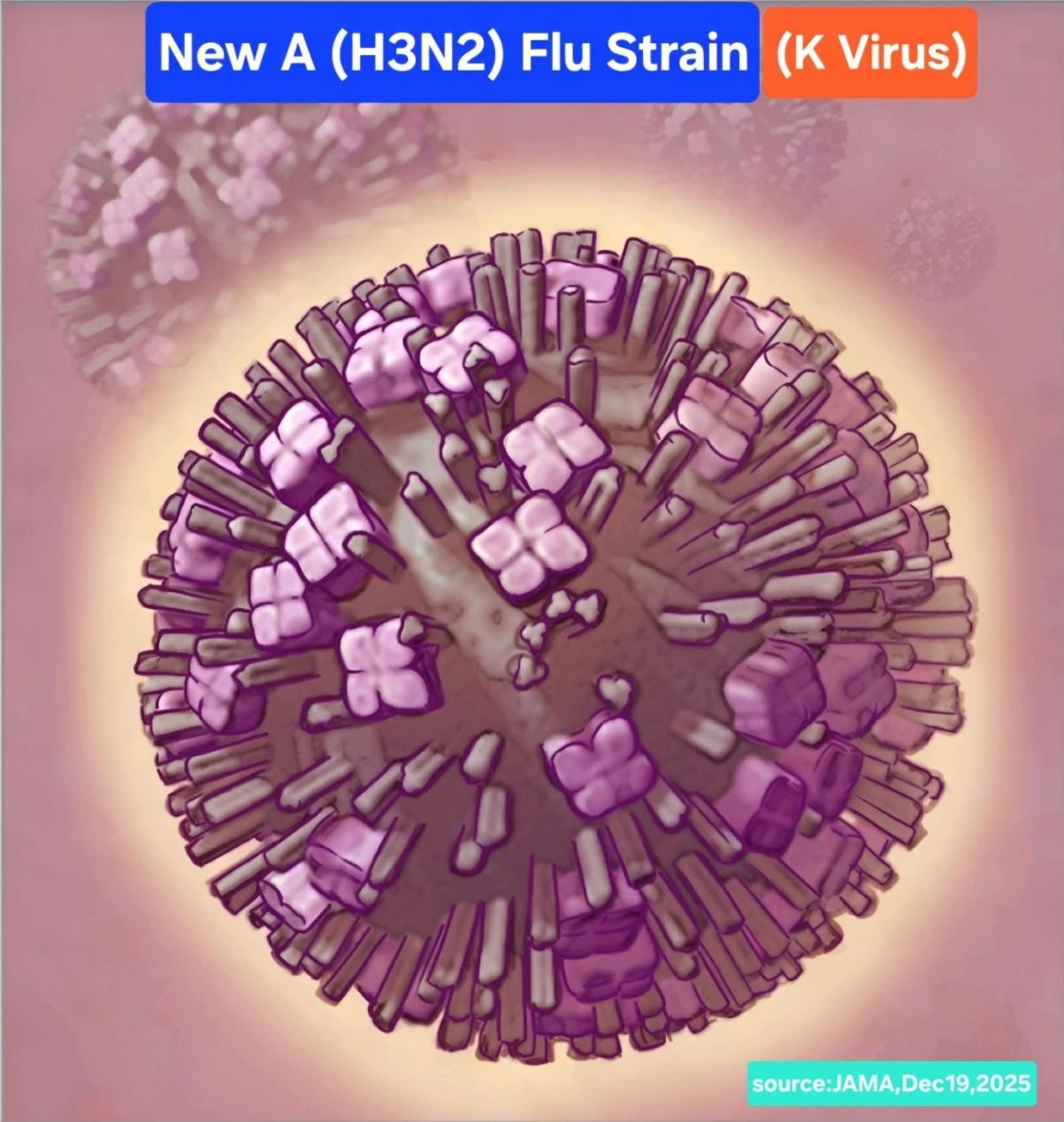
SEASONAL influenza, commonly known as “the flu”, is a contagious respiratory illness that affects millions of people worldwide every year. While most people recover within a short time, influenza can sometimes lead to serious illness, hospitalization, or even death, especially among vulnerable groups. Recently, global health authorities have reported increased influenza activity and the emergence of a new influenza A(H3N2) subclade, often referred to as the “K virus”.
This article aims to explain seasonal influenza in simple terms, describe the global and Myanmar situation, highlight symptoms and risks, explain the new K virus, and provide clear guidance on vaccination and prevention.
1. What is Seasonal Influenza?
Seasonal influenza is an acute viral infection of the respiratory system caused mainly by influenza A and B viruses. These viruses circulate throughout the year, but infections usually increase during certain seasons, especially in cooler months.
Influenza spreads easily from person to person through:
• Droplets are released when an infected person coughs, sneezes, or talks
• Close contact, such as shaking hands
• Touching contaminated surfaces and then touching the eyes, nose, or mouth
Unlike the common cold, influenza often starts suddenly and can make people feel very unwell. Although many people recover without treatment, influenza should not be considered a “mild illness” for everyone.
2. Global Situation of Seasonal Influenza
According to the World Health Organization (WHO), global influenza activity has increased since late 2025. Many countries in the Northern Hemisphere have reported an earlier and stronger influenza season than usual.
Key global points include:
• Influenza A viruses are currently the most common worldwide
• The A (H3N2) subtype is predominant in many regions
• Increased influenza activity has been reported in Asia, Europe, North America, and parts of Africa
• Health systems may experience pressure due to high numbers of respiratory infections during influenza seasons
WHO surveillance shows that influenza viruses constantly change (genetic drift). One important recent change is the rise of a new A(H3N2) subclade, known as J.2.4.1 or “K subclade”.
3. Myanmar Situation
Myanmar, like other tropical and subtropical countries, experiences influenza activity throughout the year, with peaks during rainy and cooler seasons.
In Myanmar:
• Influenza A viruses, especially A(H3N2), are commonly detected
• Influenza often affects children, elderly people, and those with chronic diseases
• Influenza-like illness contributes to outpatient visits and hospital admissions every year
Regional data from South-East Asia indicate that influenza remains a significant public health concern. Continuous surveillance and public awareness are essential to reduce severe outcomes.
4. Signs and Symptoms of Influenza
Influenza symptoms usually appear 1-4 days after infection and may include:
• Sudden fever
• Cough (usually dry)
• Sore throat
• Runny or blocked nose
• Headache
• Muscle and joint pain
• Extreme tiredness or weakness
In children, additional symptoms may include:
• Vomiting
• Diarrhea
Most people recover within 7–10 days, but cough and weakness may last longer.
5. Is Influenza Dangerous? (Risks and Complications)
Yes, influenza can be dangerous, especially for high-risk groups.
Possible complications include:
• Pneumonia
• Worsening of chronic diseases (heart disease, asthma, diabetes)
• Respiratory failure
• Hospitalization and death
High-risk groups include:
• Adults aged 65 years and above
• Children under 5 years
• Pregnant women
• People with chronic diseases (heart, lung, kidney, and diabetes)
• People with weakened immune systems
• Health and care workers
For these groups, influenza is not just a seasonal illness but a serious health threat.
6. The New “K Virus”: Is It Dangerous?
Recently, WHO reported an increase in a new influenza A(H3N2) subclade called K (J.2.4.1). Important facts about the K virus:
• It is not a completely new virus, but a genetically changed form of influenza A(H3N2)
• It has spread to many countries since mid-2025
• Current evidence shows no increase in disease severity compared to previous influenza strains
• WHO continues close monitoring through global surveillance systems
In simple terms, the K virus spreads more easily in some areas, but there is no evidence that it causes more severe illness than other seasonal influenza viruses.
7. Myanmar’s Public Health Response to Respiratory Tract Infections
The Ministry of Health is continuously monitoring the incidence of respiratory tract infections, including seasonal influenza.
The Influenza A H3N2 strain, which is currently reported by global media to be causing increased infections in some countries, is the same strain that has been circulating in Myanmar in 2025. However, the specific Subclade K has not yet been detected.
Key Points for the Public:
* No need for excessive concern: The public does not need to be overly concerned because the general population is expected to have a moderate level of immunity against the strain.
* Treatment and Prevention: The currently used influenza vaccines and treatments are effective in preventing and treating the disease.
* Preparedness: Public hospitals are prepared with influenza treatments and the capacity to provide intensive care for patients who develop severe flu symptoms.
For severe influenza cases, public hospitals in Myanmar are providing treatment and essential medicines in line with national clinical guidelines. Patients with serious symptoms such as breathing difficulty, persistent high fever, or complications are referred to hospitals where they can receive supportive care, including oxygen therapy, fever control, hydration, and antiviral medicines when indicated.
The Ministry of Health and relevant health facilities continue to ensure the availability of necessary medicines and clinical management for severe influenza cases, especially for high-risk groups such as older adults, young children, pregnant women, and people with chronic diseases. Early care-seeking at public hospitals is strongly encouraged to reduce complications and prevent deaths.
* Ongoing Efforts: The Ministry is carrying out real-time information dissemination and health education for the public and is accelerating disease surveillance efforts.
8. Should People Get the Influenza Vaccine?
Yes. Influenza vaccination is strongly recommended.
WHO and public health experts agree that vaccination is the best way to prevent influenza and its complications.
Key points about vaccination:
• Influenza vaccines have been used safely for over 60 years
• Vaccine composition is updated every year to match circulating viruses
• Even if the virus changes, the vaccine still helps reduce severe illness and death
• Vaccination is especially important for high-risk groups and health workers
Recent studies suggest that the current influenza vaccine still provides good protection against hospitalization, even with circulating A(H3N2) subclade K viruses.
6. How Can We Prevent Influenza?
Prevention requires both vaccination and healthy behaviours.
Personal Prevention Measures
• Get vaccinated every year
• Wash your hands frequently with soap and water
• Cover mouth and nose when coughing or sneezing
• Wear a mask if you have flu-like symptoms
• Avoid close contact with sick people
• Stay at home when ill to prevent spreading infection
Community and Health System Measures
• Early detection and treatment of severe cases
• Protection of health workers
• Public awareness and risk communication
• Strengthening disease surveillance
10. Still Preventable
Seasonal influenza remains a serious but preventable disease. The recent increase in global influenza activity and the emergence of the A(H3N2) K subclade remind us that influenza viruses continue to evolve. However, there is no need for panic. With vaccination, early care-seeking, and simple preventive measures, influenza-related illness and deaths can be significantly reduced. Protecting high-risk groups and strengthening public awareness are key to safeguarding public health in Myanmar and worldwide.
References
1. World Health Organization: Seasonal Influenza – Global Situation. Disease Outbreak News, December 2025.
2. World Health Organization. Influenza (Seasonal) Fact Sheet. WHO, 2025.
3. World Health Organization. Non-Pharmaceutical Public Health Measures for Influenza, WHO, 2019.
4. Centres for Disease Control and Prevention (CDC), United States. Seasonal Influenza (Flu): Key Facts and Prevention, CDC, 2024–2025 Influenza Season Update.
5. Centres for Disease Control and Prevention (CDC), United States. Influenza Vaccination: Who Should Get Vaccinated and Why. (2025)
6. JAMA (Journal of the American Medical Association). Prevention and Treatment of Seasonal Influenza, JAMA Clinical Review,2023-2024
7. Public Notice for Prevention and Control of Seasonal Influenza (Issued on 22 December 2025), MOH, Myanmar